
Rose Bay Tower Bid Would Stand Three Times the Height Limit

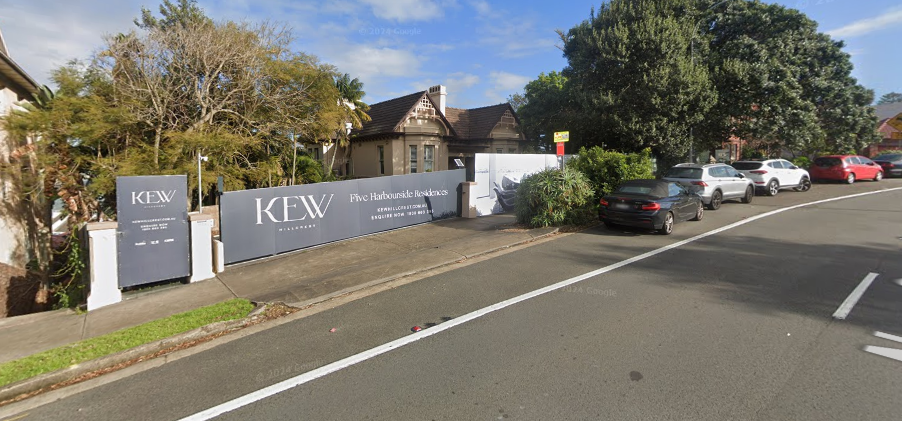
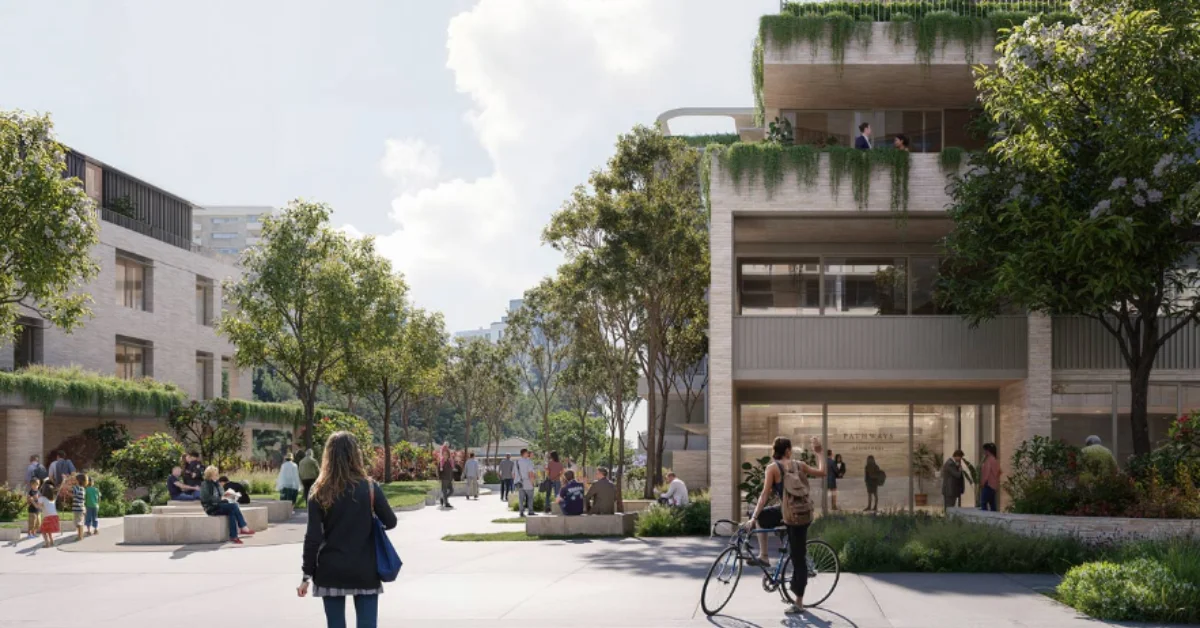
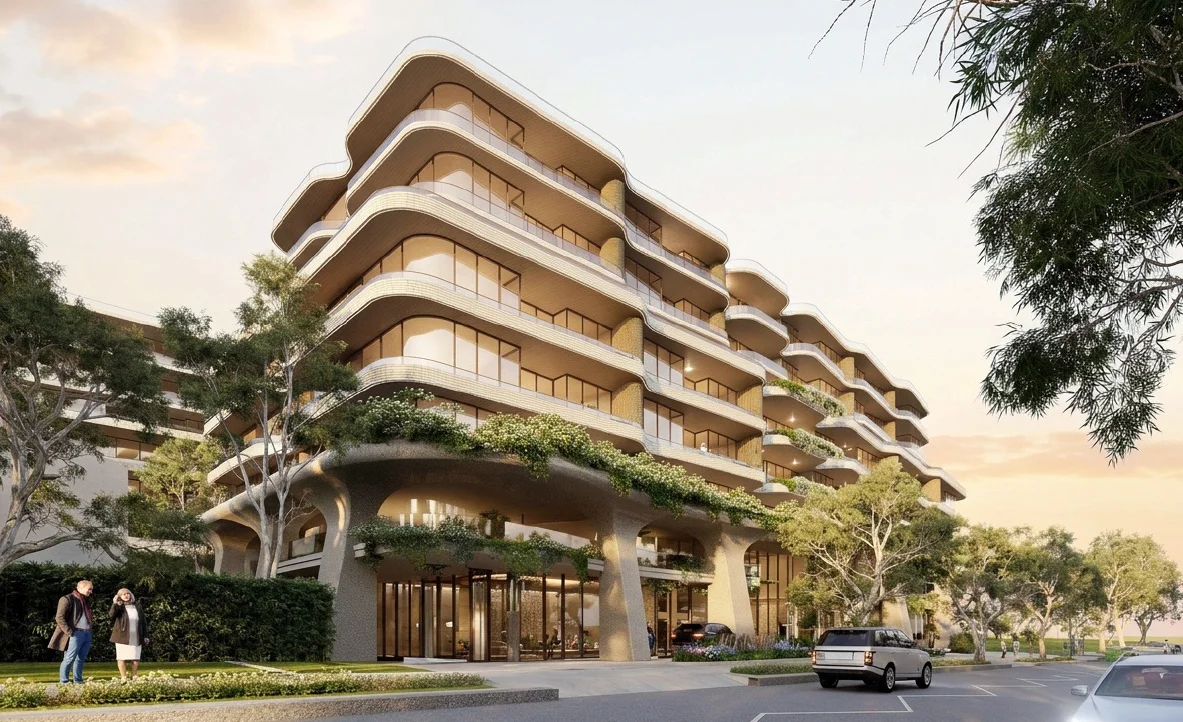
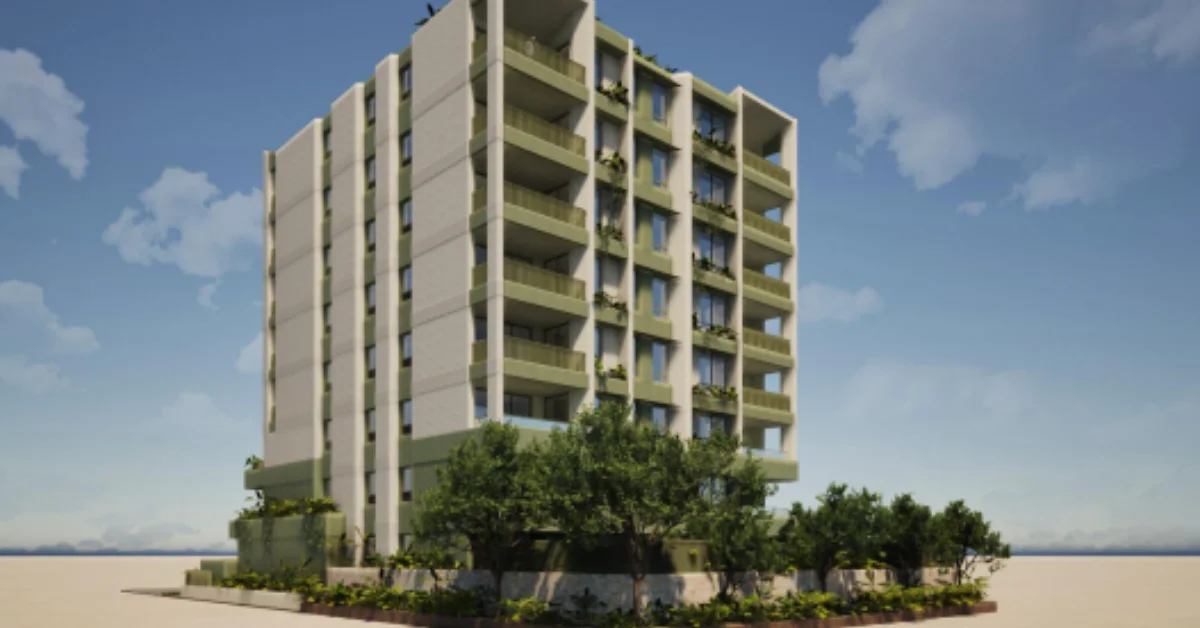
A developer has lodged plans for a $28 million, eight-storey residential tower in one of Rose Bay’s most coveted streets, seeking to build a structure more than three times higher than what local planning rules allow.


Read: Hillcrest Collapse Renews Focus on Rose Bay Redevelopment Approval


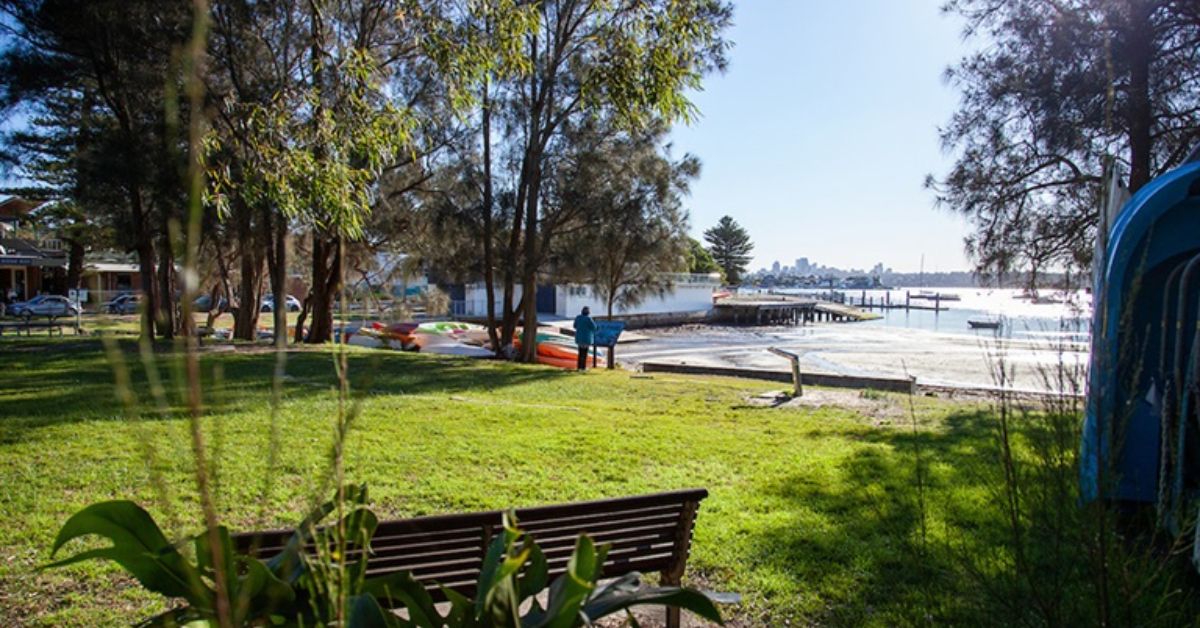
The proposal, submitted to Woollahra Council in May 2026, targets 35-37 Wilberforce Avenue, a quiet residential street roughly 400 metres from the Rose Bay Town Centre that connects Old South Head Road and New South Head Road. The street sits within easy walking distance of Rose Bay Beach and the Royal Sydney Golf Club, and is well known for some of the most expensive real estate in Sydney.
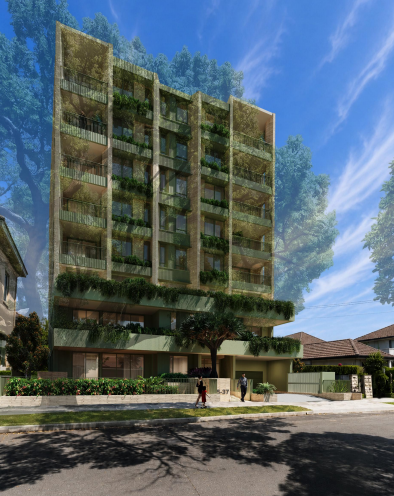
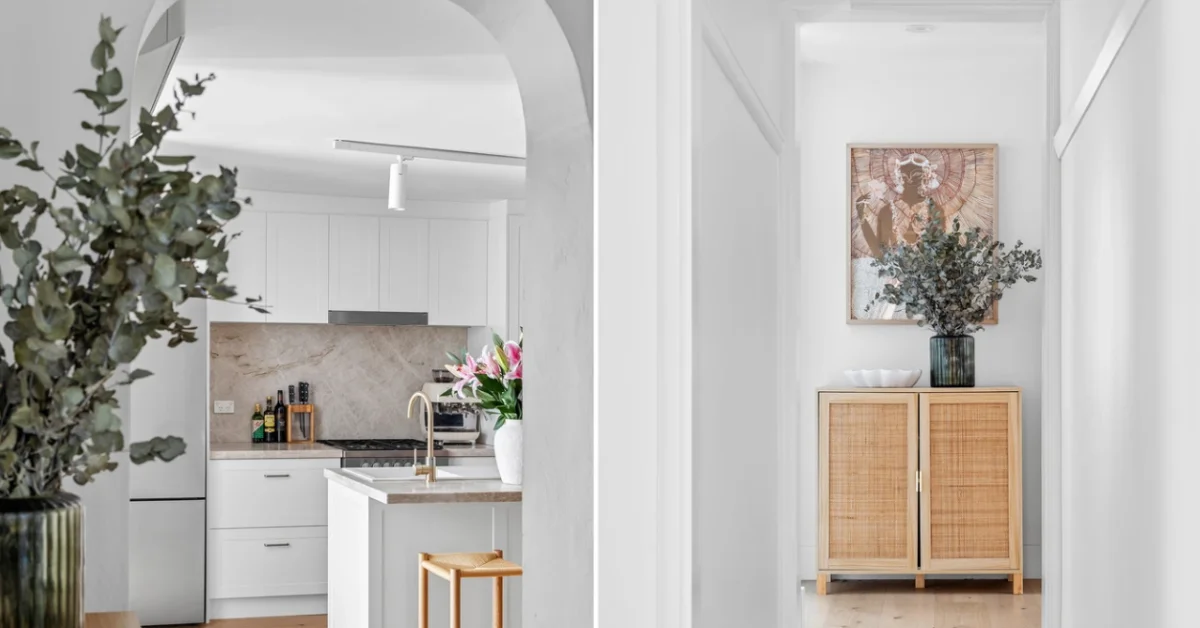
Photo credit: Woollahra DA Tracker –  187/2026

The proposed tower would rise to 28.35 metres, well above Woollahra’s 9.5 metre height limit for the area. The 31-apartment building would also require excavation of more than 5,447 cubic metres of soil, against a council limit of 1,345 cubic metres.

Neighbours on both Wilberforce Ave and nearby Albemarle Ave would also experience reduced sunlight. Planning documents submitted with the application acknowledge that properties at 28 and 28a Albemarle Ave would see reduced solar access, though the documents argue the overshadowing would generally be limited to less than three hours on adjoining properties. The documents also acknowledge that any reasonable development on the site would create some adverse amenity impact on neighbouring properties.
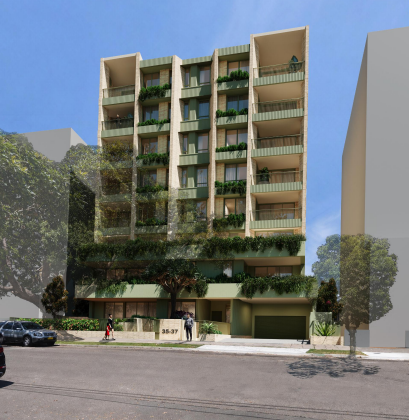
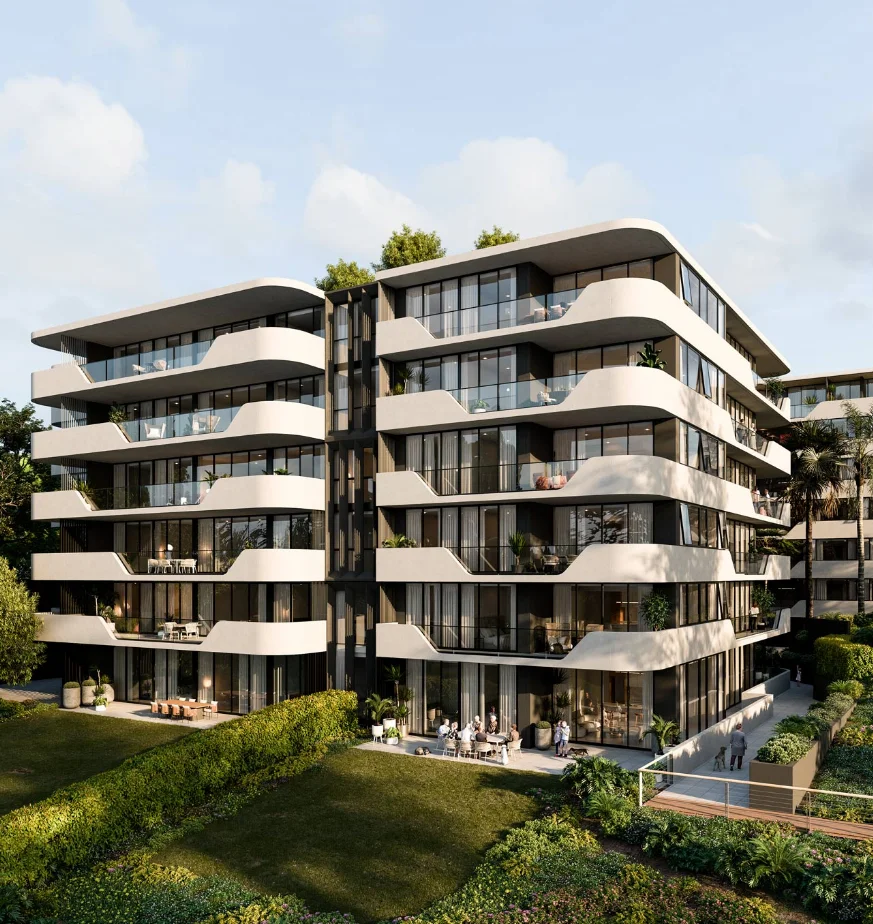
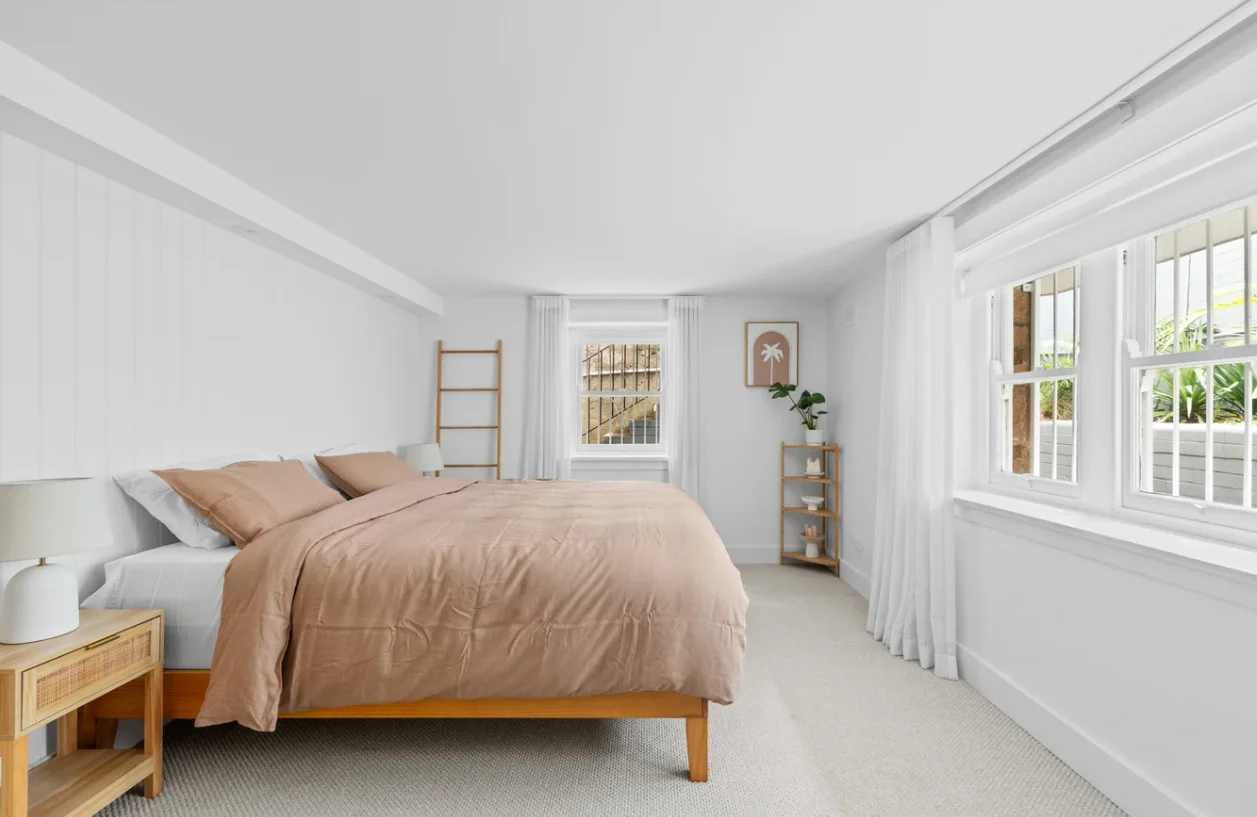
Photo credit: Woollahra DA Tracker –  187/2026

The developer is relying on relatively new state housing policies that allow mid-rise apartment development in Sydney’s wealthier suburbs, provided a portion of units is set aside as affordable housing. Under the proposal, five of the 31 apartments would be allocated to low-income tenants. The affordable housing component is the mechanism through which the developer seeks to bypass Woollahra’s existing planning controls.
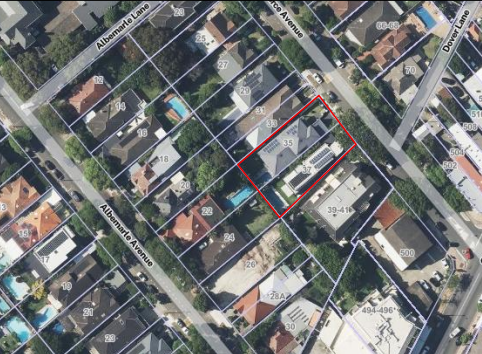
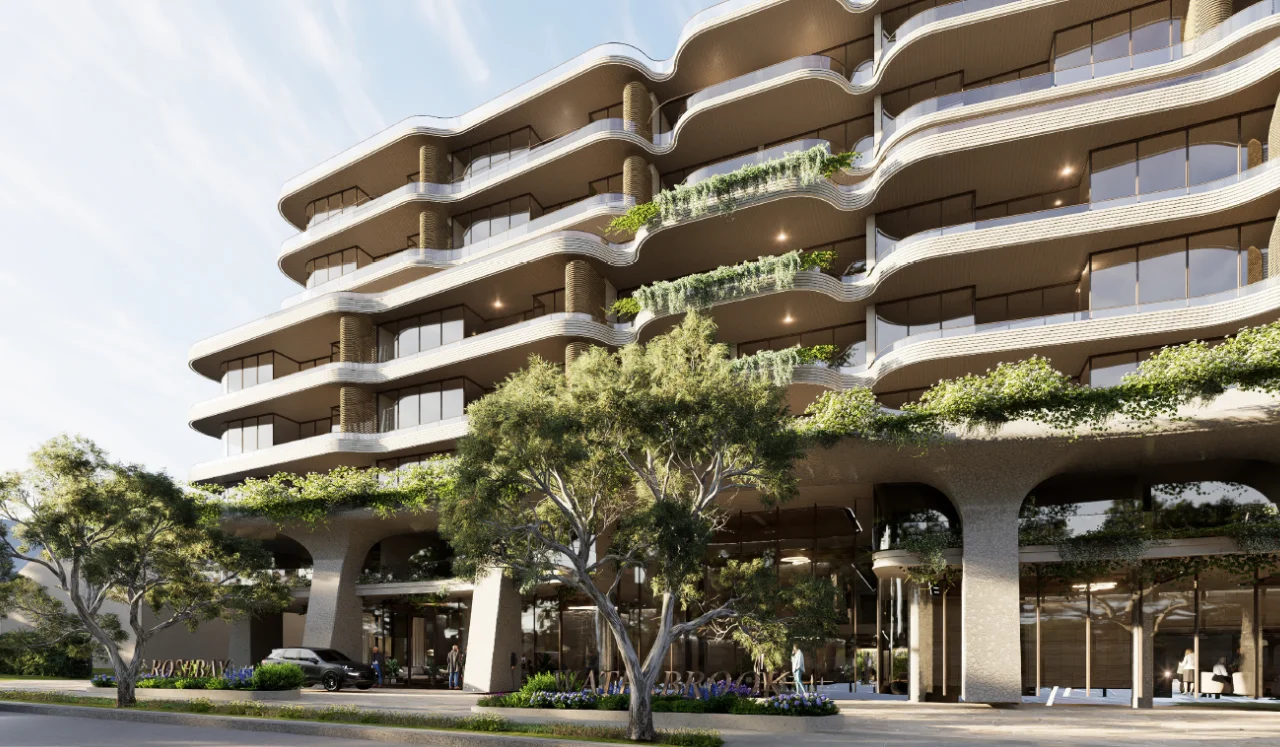
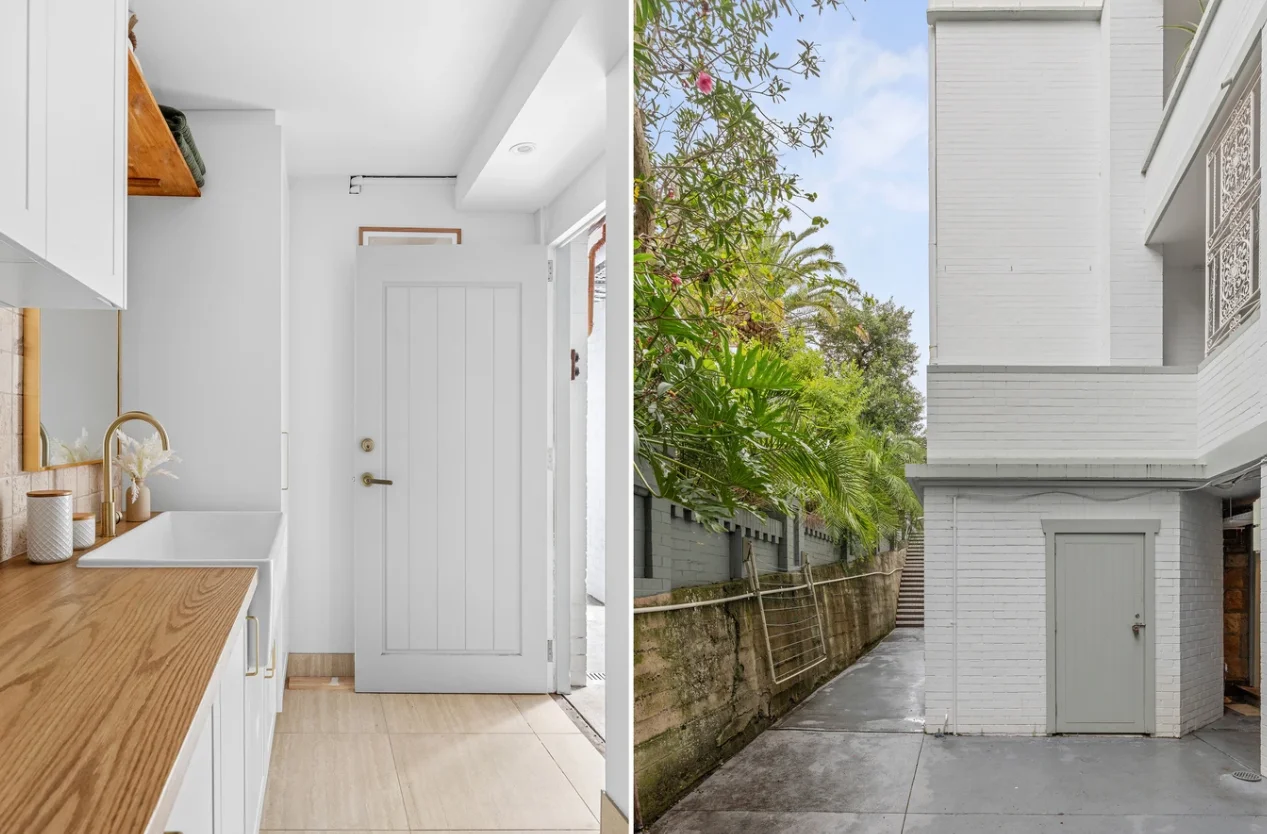
Photo credit: Woollahra DA Tracker –  187/2026

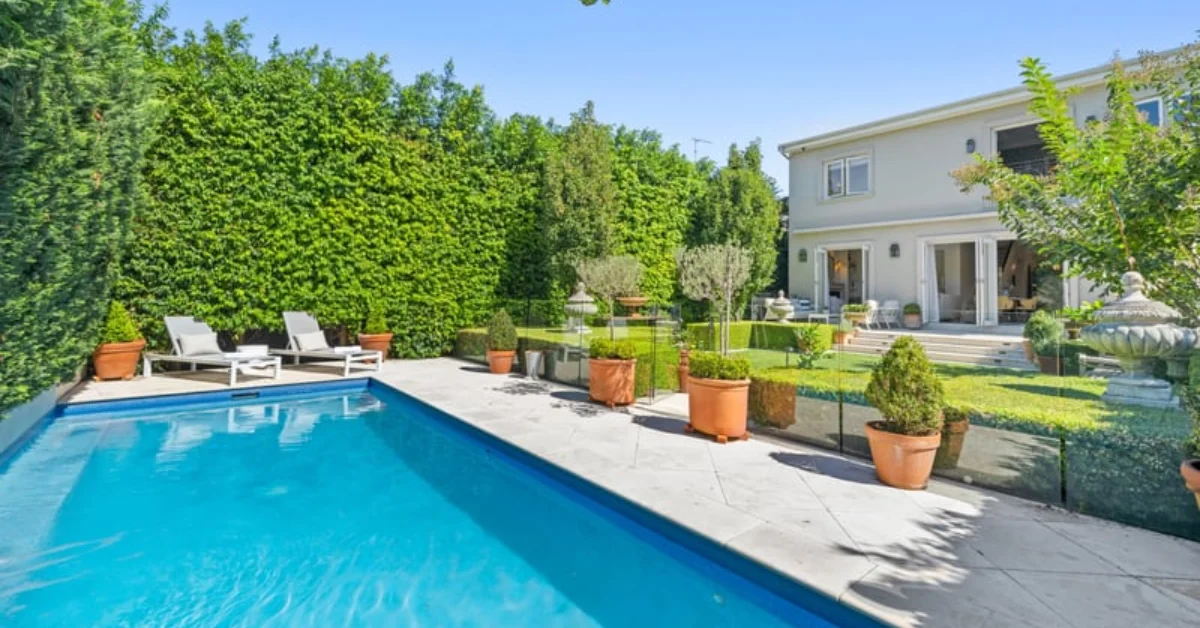
Two penthouses would each have access to private rooftop terraces, while ground-floor units would feature plunge pools. A two-level basement carpark with 31 spaces is also included in the plans.

Planning documents prepared on behalf of the developer describe the design, by Mark Shapiro Architects, as one that responds thoughtfully to the character of the Rose Bay area, pointing to what they describe as a diverse mix of architectural styles across the precinct.

What the rules allow in Rose Bay

Under the Woollahra Local Environmental Plan (LEP) 2014, maximum building heights in Rose Bay vary by zone. In low-density residential areas, the height limit sits at 9.5 metres, roughly equivalent to three storeys. In the commercial village centres, that rises to a maximum of 17.2 metres, or about five storeys. The Wilberforce Ave site falls under the lower residential limit, meaning the proposed 28.35 metre tower would exceed even the most generous height allowance in the area by more than 11 metres.

The application is one of a growing number of significant residential proposals across Sydney as the state moves to address a housing crisis marked by a relentless rise in rents and property prices. 


Read: Inside Delta Goodrem’s New Luxury Home In Rose Bay


Earlier in 2026, the Independent Planning Commission approved the $1.5 billion Timberyards project in Marrickville and signed off on a 46-storey, $163 million rental tower on Victoria Avenue in Chatswood that will deliver 260 rental dwellings above commercial space.

The proposal affects one of Sydney’s most expensive residential streets, where a four-bedroom home on Wilberforce Ave sold for $6 million in 2023. The application is now before Woollahra Council for assessment.

Published 12-June-2026
Rose Bay Courts Proposal Responds To Growing Demand For Local Netball Space

At Woollahra Oval 2 and 3 in Rose Bay, a proposal for two new netball and basketball courts is being shaped around a familiar local sporting pressure: growing demand for training space, particularly for girls’ sport, in an area where court access remains limited. 


Rose Bay Courts Proposal Centred On Local Sporting Demand

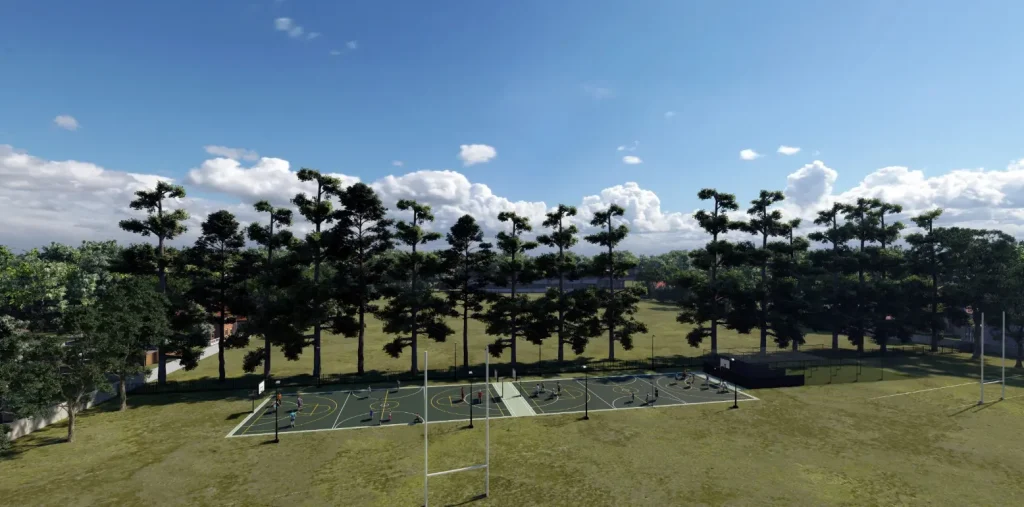
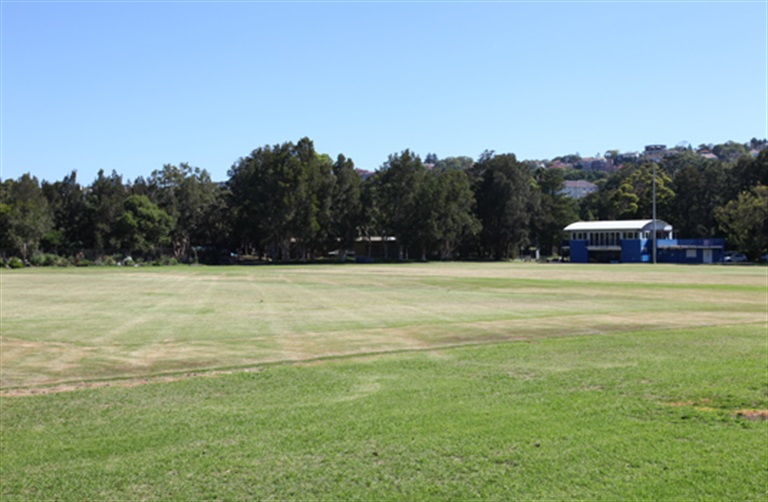
Woollahra Oval 2 and 3 already carries a busy sporting role in Rose Bay, with cricket using the ground in summer and rugby union in winter. The latest proposal for the site does not seek to replace that role, but to add another layer to it through two dual-use courts for netball and basketball.

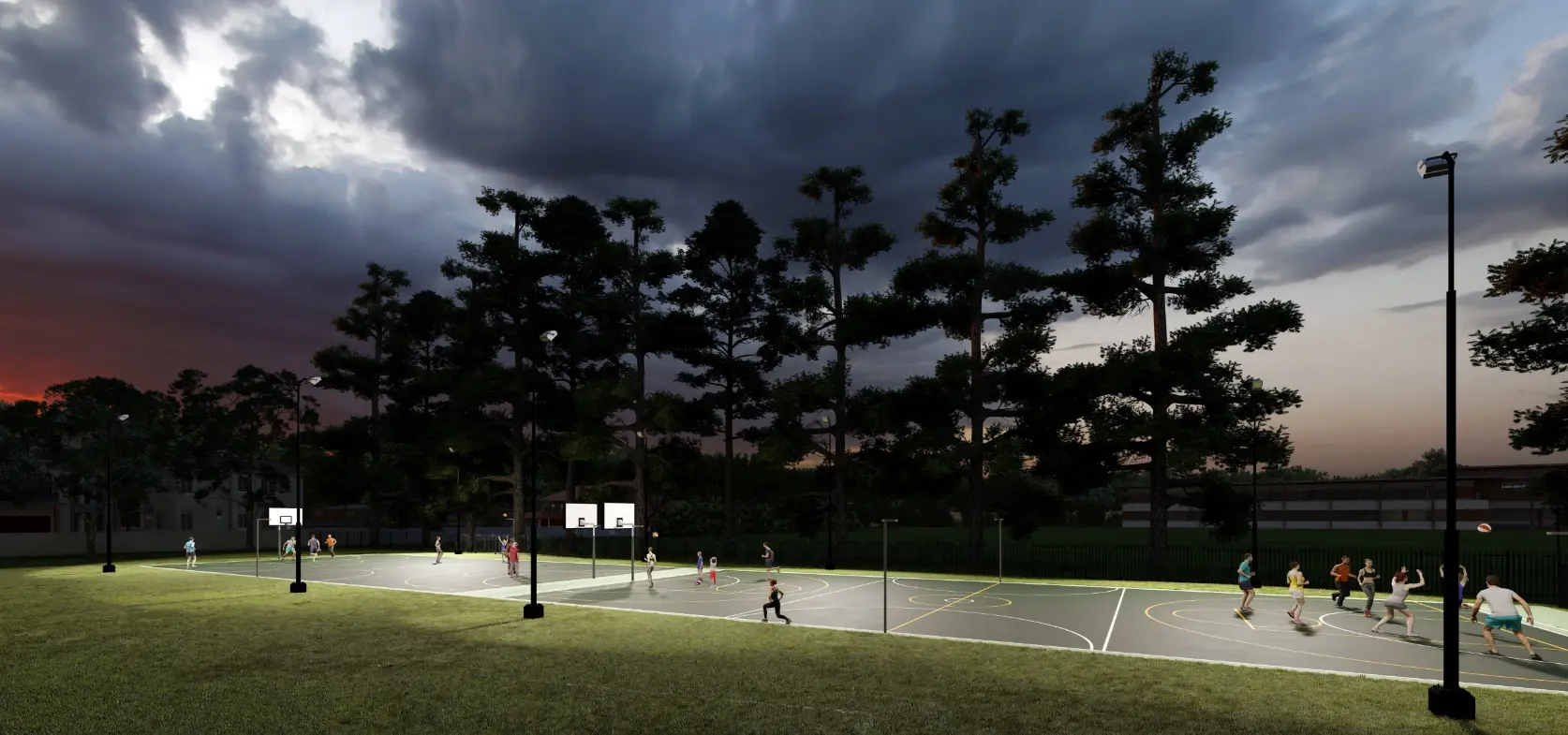
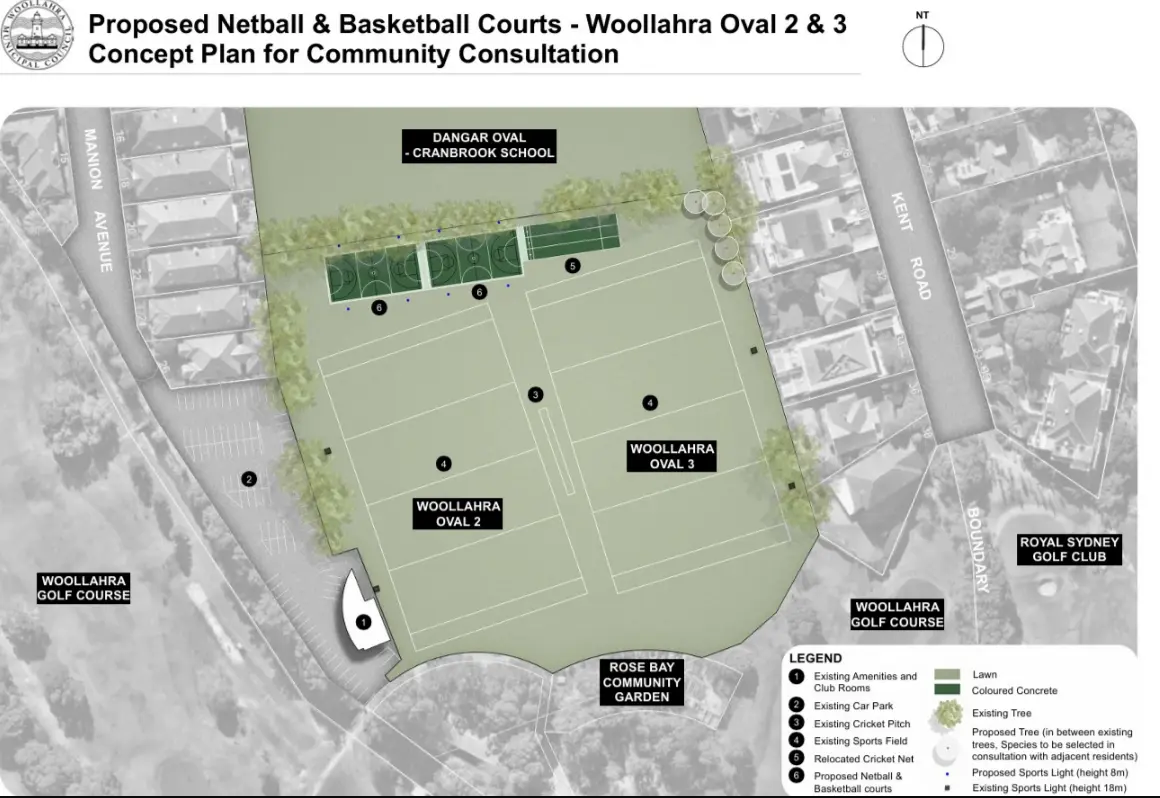
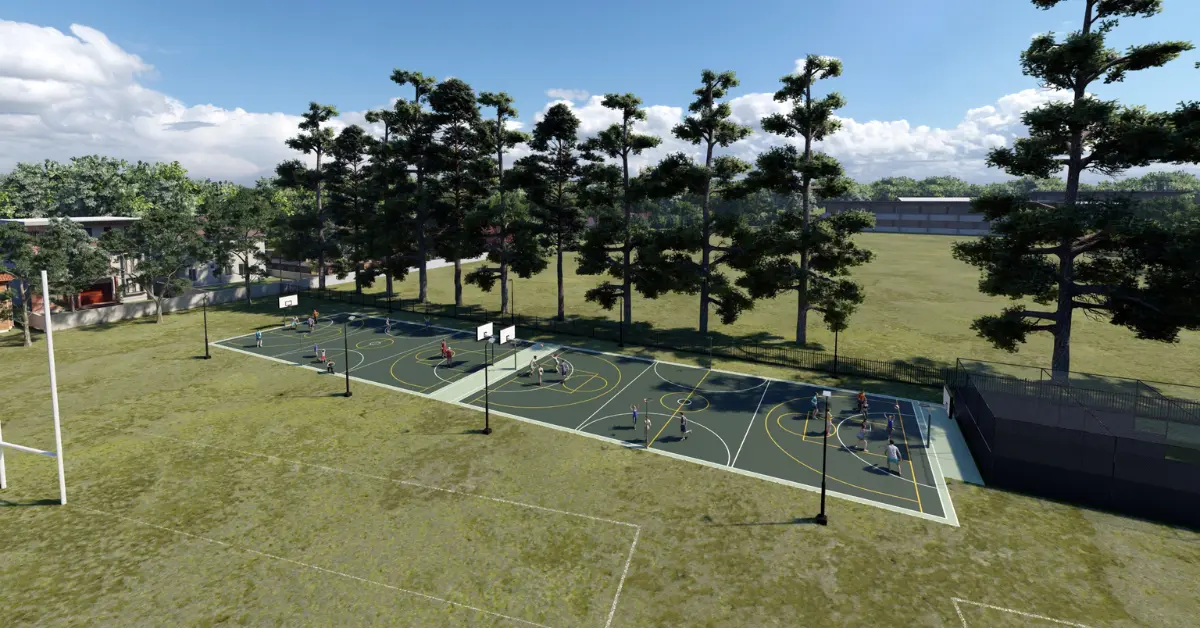
The draft plan would place the courts at the northern end of the oval, creating a hard-surface area line-marked for both sports. Each court would have reversible netball and basketball rings at both ends, while four additional netball rings would be installed along the sides of the courts.

The proposal has been shaped by an identified shortage of netball and basketball courts for training and casual use. That shortage has been linked to the recent growth of girls’ sport in the local area, with feedback from schools, clubs and families pointing to limited nearby space for netball training.

Local netball demand is a key part of the proposal. Existing facilities in the area include two hard-surface netball and basketball courts at Christison Park in Vaucluse and one grass netball court at Lough Playing Fields in Double Bay. The proposed Rose Bay courts would add more training and casual play space without removing cricket or rugby from Woollahra Oval 2 and 3.

Rose Bay proposed court layout
Photo Credit: WoollahraCouncil

New Courts Designed Around An Existing Oval

The proposal would require the three existing cricket practice nets to be shifted about 45 metres east towards Kent Road. The relocated nets would not be lit.

That change is intended to make room for the courts in the northern section of the oval, where the space between the rugby fields and boundary fence narrows from west to east. The layout is designed so the courts can sit within the existing sporting area while current cricket and rugby matches and training continue.

The proposed playing surface would be an acrylic painted coating on a concrete or asphalt base. That surface is already used at the netball and basketball courts at Christison Park in Vaucluse and the basketball court at Lyne Park.

Woollahra Oval 2 and 3 currently includes two rugby playing fields, an artificial grass cricket wicket and three cricket practice nets. Rose Bay Community Garden is also located within the park.

Woollahra Oval sports court plan
Photo Credit: WoollahraCouncil

Lighting Plan Tries To Limit Nearby Impact

The proposal includes sports lighting for the new courts, but not for the relocated cricket nets.

The lighting design would use eight poles, with four poles for each court. Each pole would be eight metres high and fitted with one luminaire. The design is intended to direct light onto the court surface while reducing spill and glare outside the court area.

The lighting would be designed to meet Australian Standards for outdoor netball and basketball training and recreational play, as well as standards that deal with the effects of outdoor lighting on nearby areas.

Court users would activate the lights through a push-button system beside each court. Each activation would last for 30 minutes, and the lights could not be switched on after 9pm.

Bookings would be available from 7am to 9pm on weekdays. Weekend bookings would be limited to daytime hours, with no bookings accepted after 5pm. When the courts were not booked, small groups and individuals could use them free of charge between 7am and 9pm each day.

Netball training bookings are mainly associated with the winter season, while basketball training can occur throughout the year, particularly during school terms.

Netball and basketball court concept
Photo Credit: WoollahraCouncil

Feedback To Shape The Rose Bay Proposal

Community feedback on the draft plan opened on Wednesday 27 May 2026 and closes at 11:59 pm on Wednesday 8 July 2026.

A pop-up information session is scheduled at Woollahra Oval 2 and 3 on Tuesday 16 June, from 5:30 pm to 6:30 pm. Feedback can also be submitted online, by email or by mail.

After the feedback period closes, responses will be reviewed before the proposal moves to its next stage. If the plan proceeds, an environmental review would be prepared and assessed before any construction.


The project timeline indicates the courts could open in 2027, but only if the required review is approved and the works go ahead.

Published 5-June-2026
Inside Delta Goodrem’s New Luxury Home In Rose Bay 

Delta Goodrem has added a luxury Rose Bay mansion to her property story, with the singer and husband Matthew Copley securing a harbourside home in Sydney’s east for less than $11 million. 


Delta Goodrem’s New Rose Bay Home

Delta Goodrem and Matthew Copley are preparing for a new Sydney chapter after buying a luxury mansion in Rose Bay.

The singer and her musician husband purchased the four-bedroom, three-bathroom harbourside residence for less than $11 million. The sale was recorded on May 27, below the property’s earlier asking price of about $13 million.

The purchase comes shortly after Goodrem represented Australia at the 70th Eurovision Song Contest in Vienna, Austria, where she performed Eclipse and placed fourth. The timing adds a public backdrop to the move, but the centre of the story is the couple’s new home in one of Sydney’s best-known harbourside suburbs.

Goodrem and Copley married in Malta on June 16 last year. Their Rose Bay purchase gives the couple a larger Sydney residence with formal living spaces, landscaped outdoor areas and a private pool setting.

Delta Goodrem at Eurovision
Photo Credit: Laing+Simmons

French and Italian Influences Shape The Home

The Rose Bay mansion sits on a 626sqm block in a quiet, tree-lined harbourside setting. The home combines French Provincial and Italian influences, with interiors arranged around formal and informal living areas.

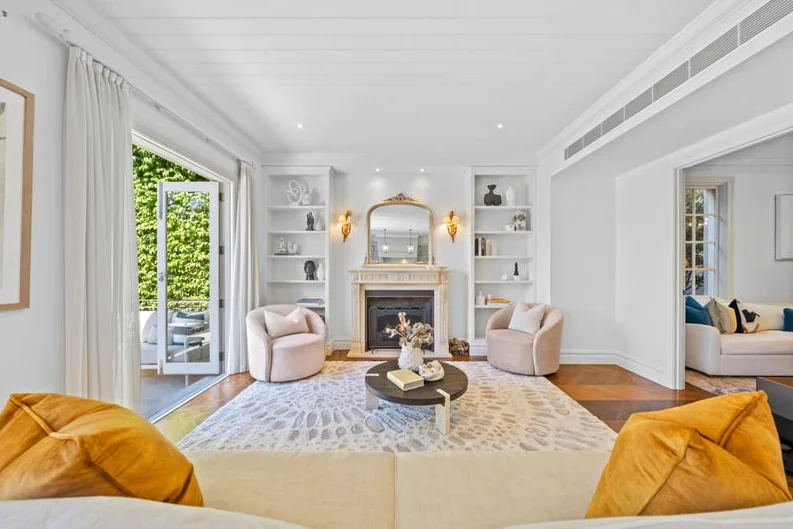
Inside, the residence includes imported Italian marble fireplaces, marble finishes and a warm neutral palette. The kitchen has a breakfast bar, butler’s pantry, dual dishwashers, a wine fridge and extensive storage.

High ceilings, French oak herringbone floors, ducted airconditioning, a security system, Control4 automation and lift access are also included. The main bedroom has a marble ensuite and a garden outlook, while the broader floor plan includes four bedrooms, oversized bathrooms and a flexible fourth bedroom or home office opening to a sunlit terrace.

The home also includes a double lock-up garage with storage, landscaped front gardens and several alfresco entertaining areas.

Rose Bay mansion garden
Photo Credit: Laing+Simmons

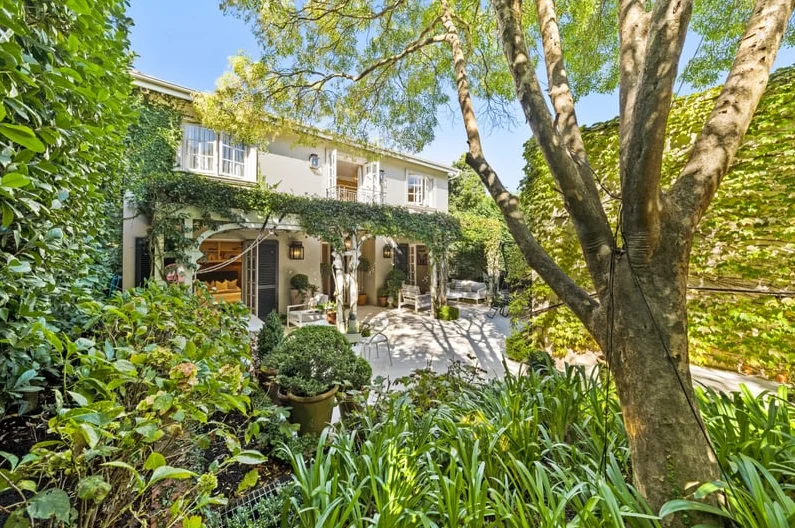
Rose Bay Mansion Framed By Designer Gardens

The outdoor areas give the property much of its character. The residence is surrounded by established gardens designed by landscape architect Paul Bangay, with planted front and rear spaces arranged for outdoor living.

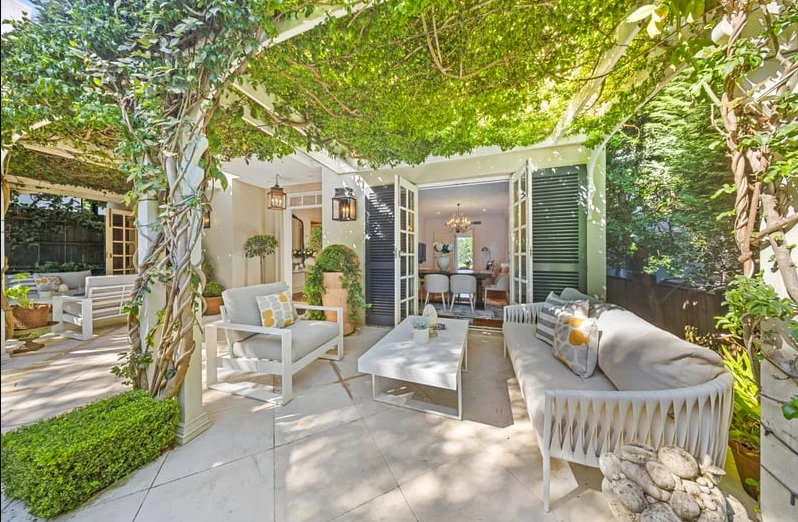
A bougainvillea-covered terrace sits at the front of the home, while the rear opens to another alfresco area, level lawn and heated pool with a cascading water feature. The layout gives the property a private garden setting while keeping it close to harbour beaches, village cafés and private schools.

For Goodrem, the purchase marks an upsizing from her known Sydney apartment base. In 2019, she bought a two-bedroom apartment in Darlinghurst’s The Residence development overlooking Hyde Park for $4.825 million. The complex includes a 20-metre lap pool, gym, spa, sauna, steam room, wine room and concierge.

Luxury home with heated pool
Photo Credit: Laing+Simmons

Sale Handled Through Double Bay Office

The Rose Bay sale was handled by D’Leanne Lewis of Laing+Simmons Double Bay. Goodrem and Copley were represented by Simon Cohen of Cohen Handler.

The property was previously owned by Plato Investment Management’s Dr David Allen and his family. Allen paid $8.9 million for the residence in 2021 after returning from London, where he had worked for JP Morgan.


Goodrem’s plans for her Darlinghurst apartment remain unknown. The couple have also been linked to reports of house-hunting in Brisbane with Cohen, although no Queensland sale has been confirmed.

Published 4-June-2026
Hillcrest Collapse Renews Focus on Rose Bay Redevelopment Approval

The partial collapse of the historic Hillcrest villa in Rose Bay has drawn renewed attention to issues raised during the property’s redevelopment approval process.


Read: Rose Bay Seniors Housing Plans Draw Focus To Excavation And Groundwater Concerns


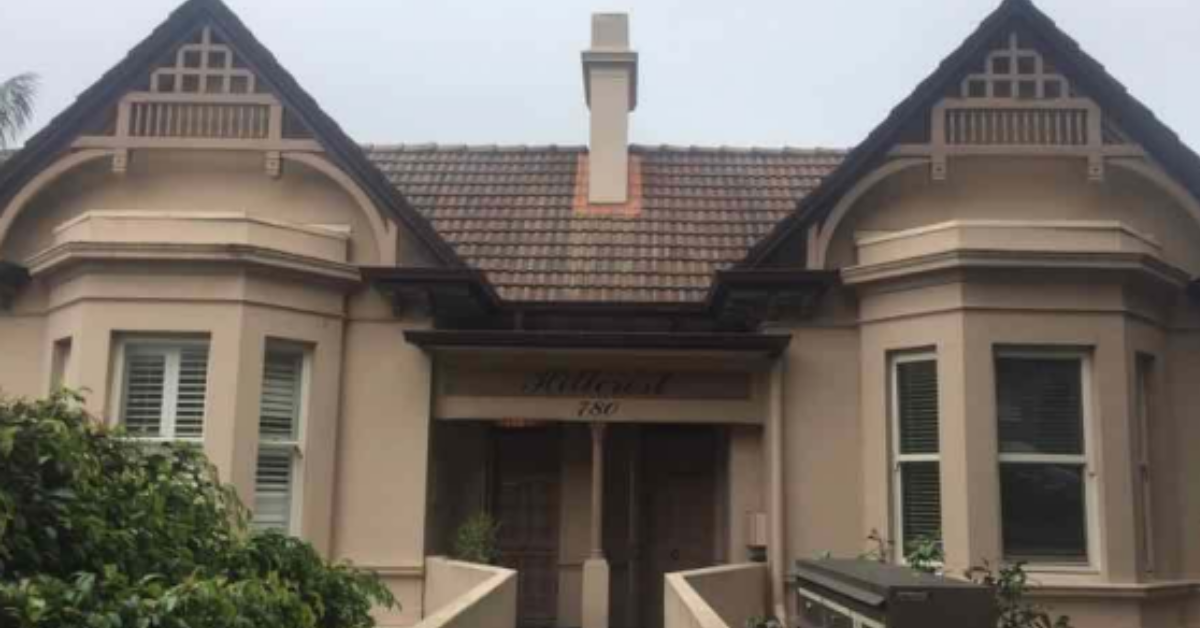
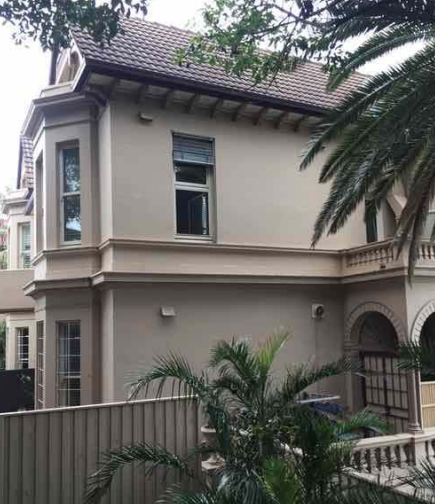
Located at 780-786 New South Head Road, Hillcrest dates back to around 1890 and was originally built as a pair of semi-detached houses before being converted into six residential units. The property later became the subject of a $9.9 million proposal to redevelop the site into five luxury dwellings.

Photo credit: Google Street View

The redevelopment was approved by the Land and Environment Court after Woollahra Council opposed the proposal, arguing it would adversely affect the building’s heritage significance and that proposed setbacks would create unacceptable acoustic impacts.

In her judgment, Commissioner Joanne Grey found that the development would have an acceptable impact on the heritage significance of the building and that the proposed setbacks were appropriate in the context of the site.

Hillcrest was subsequently listed as a local heritage item following a process supported by Woollahra Council.

On 12 February 2026, part of Hillcrest’s upper levels and roof collapsed during construction works. Public statements issued following the incident attributed the collapse to what was described as flawed geotechnical advice. No independent findings on the cause of the collapse have been publicly reported.

Concerns Raised During Approval Process

Photo credit: NSW Heritage Inventory

While Woollahra Council’s objections focused largely on heritage and planning matters, neighbouring residents sought to raise concerns during the approval process about excavation risks and potential impacts on surrounding properties.

They commissioned an independent report from geotechnical engineer Warwick Davies of EI Australia, who argued there was insufficient information available to properly guide the planned excavation works.

The court ultimately approved the development despite those concerns. Commissioner Grey concluded that structural stability could be maintained, subject to further investigation of site conditions and compliance with engineering requirements attached to the consent.

The relationship, if any, between concerns raised during the approval process and the February collapse has not been established in any publicly available findings.

Some local representatives have since cited the Hillcrest collapse when calling for changes to development assessment processes.

Cr Merrill Witt said the damage to Hillcrest demonstrated why complete hydrogeological and geotechnical reports should be available before development applications are approved.

Council has also resolved to investigate the feasibility of obtaining independent geotechnical reviews for complex development applications involving basement excavation.

The issue comes amid ongoing concerns in Rose Bay and Double Bay about the impacts of some redevelopment projects on neighbouring properties.


Read: St George Church Rose Bay Disputes Heritage Site Designation Proposal


Meanwhile, Positive Investment Enterprise, the developer behind the Hillcrest project, has stated that it is committed to restoring the damaged façade, subject to the necessary approvals.

The collapse has also prompted discussion about how future developments are assessed in established neighbourhoods, particularly where heritage buildings and complex excavation works are involved.

Published 30-May-2026
Three Rose Bay Schools Ranked Among NSW’s Best Private Primary Schools

Three Rose Bay schools have been named in a new ranking of NSW’s top 100 private primary schools in the Catholic and independent sectors. Kambala, Kincoppal-Rose Bay School of the Sacred Heart, and McAuley Catholic Primary School all made the list. 


Read: Rose Bay Public School Outperforms Neighbours In 2025 NAPLAN


Kambala 

Photo credit: Facebook/Kambala

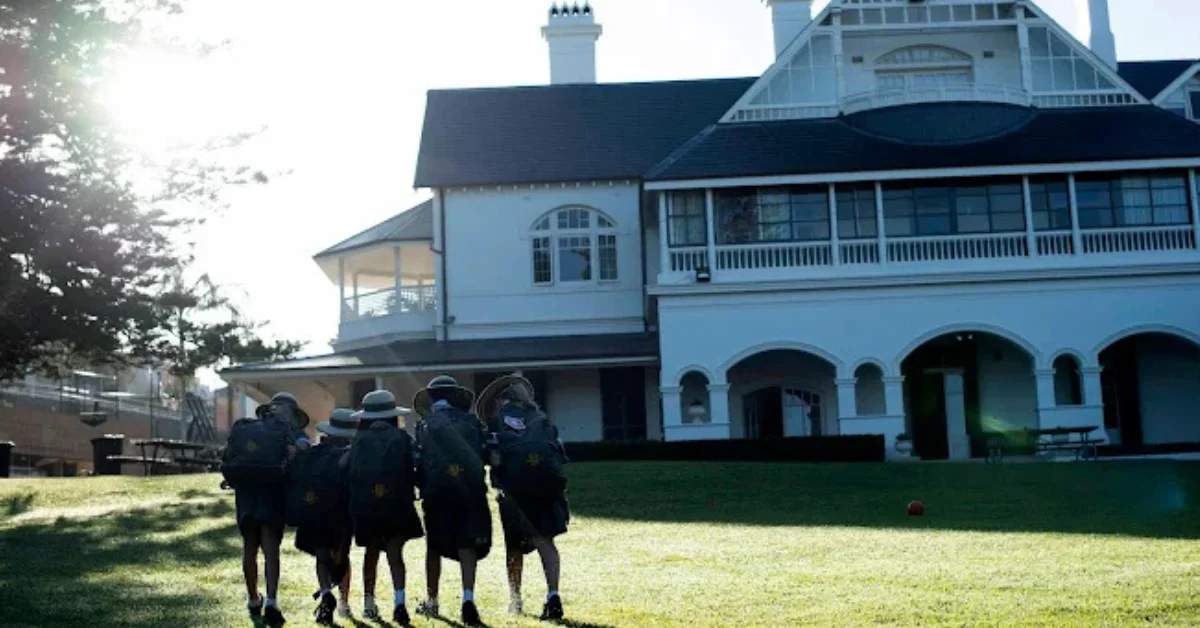
Kambala, located at 794 New South Head Road, was the highest-ranked of the three local schools, coming in at 26th in the state. Founded in 1887, it is an independent early learning, primary and secondary day and boarding school for girls, with a current enrolment of 986 students.

The school describes its educational approach as focused on preparing students to be “agile, adaptable and aspirational,” with curriculum design centred on cognitive flexibility and emotional intelligence alongside academic outcomes. Kambala is an IB World School and a member of the International Coalition of Girls’ Schools.

View Kambala profile here 

Kincoppal-Rose Bay School of the Sacred Heart 

Photo credit: Facebook/Kincoppal-Rose Bay School

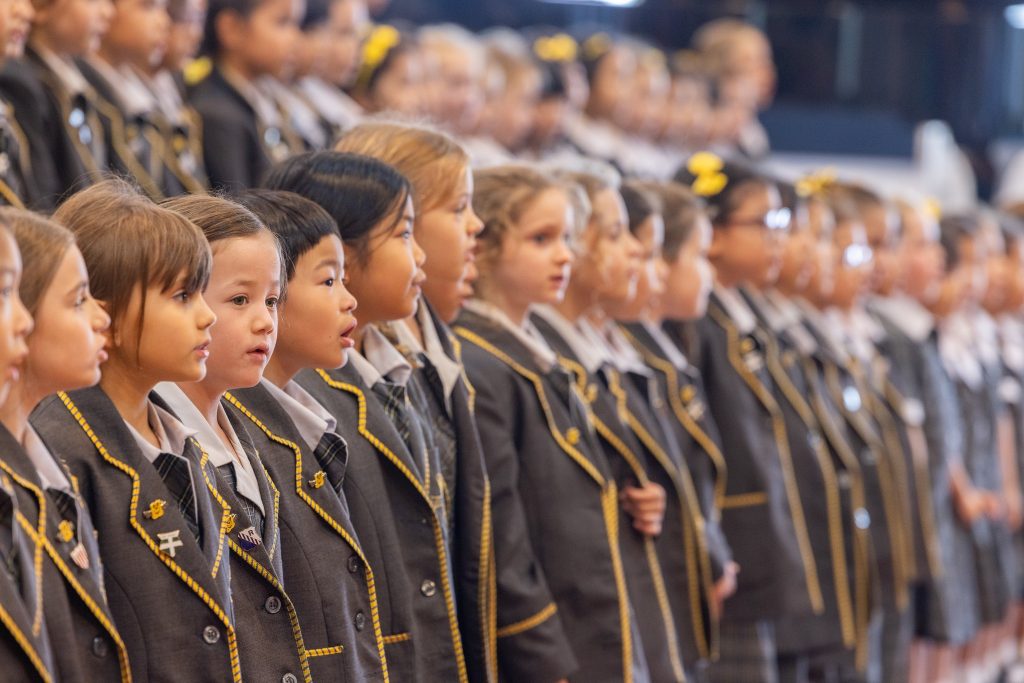
Kincoppal-Rose Bay School of the Sacred Heart ranked 59th, with a current enrolment of 851 students. It is an independent Roman Catholic early learning, primary and secondary day and boarding school, predominantly for girls.

The school offers a full continuum of education from early childhood through to the HSC, as both a day and boarding school.

View Kincoppal-Rose Bay School of the Sacred Heart profile here 

McAuley Catholic Primary School 

Photo credit: Facebook/McAuley Catholic Primary School Rose Bay

McAuley Catholic Primary School, at 8 Carlisle Street, ranked 95th with an enrolment of 273 students. The school was established in its current form in 1967 by the Sisters of Mercy and carries the motto “Seek the Truth.” It is part of the Sydney Catholic Schools system, a network of 147 low-fee Catholic schools in the Sydney Archdiocese.

The school’s principal, Mrs Karen Blacklock, describes its teaching approach as placing strong foundations in literacy and numeracy at the centre, supported by inquiry, creativity, problem-solving and collaboration. McAuley maintains a close connection to the parish of St Mary Magdalene, Rose Bay.

View McAuley Catholic Primary School profile here

NSW schools made up six of the national top 10 private primary schools in the rankings, and nearly half of the national top 250 list. The rankings were drawn from an analysis of more than 2,000 private primary schools nationwide. 


Read: Kincoppal–Rose Bay Leader Appointed Head of Knox Grammar Prep


It assessed 2025 NAPLAN Year 3 and Year 5 results across five subjects, student attendance rates, student-teacher ratios, and ICSEA (Index of Community Socio-Educational Advantage) scores, with data sourced from ACARA. 

Published 30-May-2026
Rose Bay Seniors Housing Plans Draw Focus To Excavation And Groundwater Concerns

Two neighbouring seniors housing proposals in Rose Bay have placed fresh attention on Wilberforce Avenue and Dover Road, where planned multi-storey developments are being considered alongside local concerns about excavation, groundwater and construction impacts.


Two Rose Bay Sites Move Through Early Planning

The proposals cover adjacent sites in Rose Bay and would add a significant seniors housing presence to the Wilberforce Avenue and Dover Road area.

Amara Rose Bay, led by Pathways Residences, is proposed for 20–30 Wilberforce Avenue and 33–37 Dover Road. The project is being prepared as a major planning application, with submission expected in mid-2026. It is planned to open in 2028.

The proposal includes demolition of existing structures, site preparation and earthworks for two buildings of eight to nine storeys. The development would include about 70 independent seniors living units and 50 residential aged care rooms, along with two basement parking levels, shared resident facilities and landscaping.

A second seniors housing proposal is planned for the neighbouring site at 32–42 Wilberforce Avenue and 41–55 Dover Road. That project is also in the early planning stage and is expected to include demolition, excavation and construction of an eight-storey building with rooftop space.

The neighbouring proposal would include about 105 independent living units, 10 aged care rooms, landscaping, servicing works and resident facilities. Its planned communal areas include rooftop open space, wellness facilities, dining and recreation spaces, a pool, gym-related facilities, meeting rooms and a salon.

Photo Credit: Amara Residences

Excavation Concerns Centre on Wilberforce Avenue

The concentration of proposed works has become a key concern for some Rose Bay residents, particularly because the sites sit beside each other and include excavation works.

Local concern has focused on the possibility of cumulative impacts from several nearby projects, especially where basement construction and ground works are proposed close together. Residents have raised concerns about shallow groundwater, flood susceptibility and settlement-prone soils in the area, as well as the possibility that construction impacts could extend beyond individual site boundaries.

Those concerns have also been shaped by recent references to property damage in Rose Bay, including the partial collapse of the historic Hillcrest home and damage reported at other properties during nearby construction and dewatering works. Those incidents are separate from the proposed seniors housing projects, but they have contributed to closer local scrutiny of excavation and groundwater management.

Residents have also raised questions about the longer-term effect of multiple basement structures within the same connected groundwater system. The issue is not limited to the design of either project on its own, but to how neighbouring developments could affect the surrounding block if they proceed at similar stages.

Rose Bay Seniors Housing
Photo Credit: Rose Bay Seniors Housing/HillPDA

Technical Studies To Shape Next Steps

Both proposals remain subject to further design work, consultation and assessment.

For Amara Rose Bay, technical work is expected to include biodiversity, traffic and transport, geotechnical and groundwater reports. The project also proposes shared spaces such as lounges, kitchen areas, a cinema, pool and landscaped communal areas.

For the neighbouring Rose Bay seniors housing proposal, planned supporting work includes construction management, traffic and heritage assessments. Community engagement has also taken place, including an online briefing held on 19 May 2026.

The two projects are different in scale and mix, but together they have created a larger question for the area: how much excavation and construction activity can be managed on adjoining sites while addressing local concerns about ground conditions, traffic and nearby properties.


For now, both developments remain proposals. Their final form will depend on further design work, technical reports, consultation and the outcome of the planning process.

Published 21-May-2026
Rose Bay Dog Owners Just Got More Places to Walk — and Percival Park Is One of Them

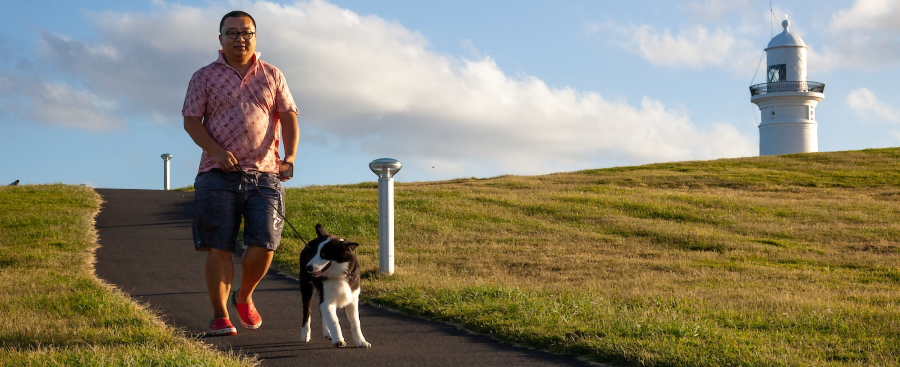
Eight new off-leash areas have opened across the Woollahra LGA following years of community consultation and a formal review process completed in late 2025, with Percival Park in Rose Bay and Woollahra Ovals 2 and 3 among the most significant additions for local dog owners.


The changes, formally approved on 27 October 2025 after a community consultation process that drew 480 submissions, represent the most substantial expansion of dog walking access in the Woollahra area in recent years. Five more off-leash locations are also on the way, pending playground fencing upgrades, with details to be confirmed in the coming months.

For Rose Bay residents who have watched dogs frolicking on the foreshore for years without equivalent access in nearby parks, the addition of Percival Park changes the options available within easy reach of home.

What’s now open in and around Rose Bay

Percival Park in Rose Bay is now an off-leash area, converting from its previous on-leash status to give the suburb another option alongside the well-loved Rose Bay Foreshore beach.

Photo Credit: WMC

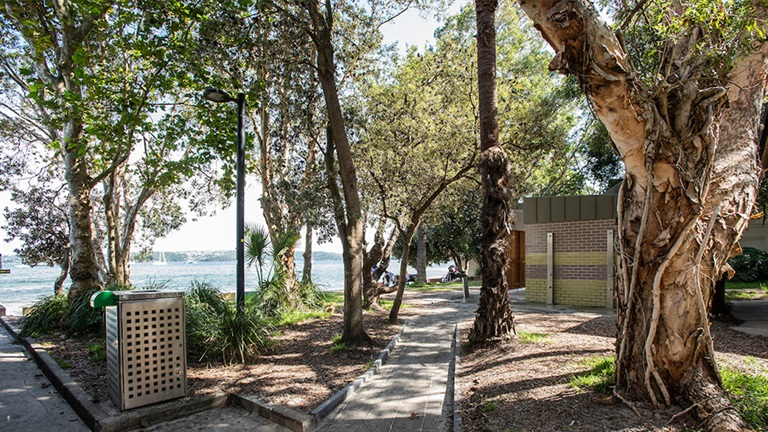
Woollahra Ovals 2 and 3, also in Rose Bay, are now off-leash from 3:30pm to 10:30am, making the oval complex available to dogs during the hours it is not in use for sport.

Photo Credit: WMC

Elsewhere in the broader area, Cooper Park’s upper amphitheatre is now off-leash, Robertson Park and Beach between the Yacht Club and Ferry Wharf at Watsons Bay is off-leash from 3:30pm to 10:30am, Camp Cove Reserve in Watsons Bay is now open to off-leash dogs, Steyne Park Sportsfield in Double Bay is off-leash from 5pm to 8:30am, and Moncur Reserve in Woollahra is off-leash from 3:30pm to 10:30am.

Photo Credit: WMC

Established off-leash hours at Lower Cooper Park, Lough Playing Fields and Dumaresq Reserve are also being extended, adding more time to existing popular locations for those who already use them regularly.

New on-leash access too

The expansion is not limited to off-leash areas. Three new on-leash locations have been added for dog owners who want more places to walk without needing to manage an off-leash environment. Tingira Memorial Park in Rose Bay and its adjacent beach is now accessible on-leash, giving Rose Bay residents a beautiful harbour-edge walking option that was previously off-limits to dogs.

Photo Credit: WC/Facebook

Derby Street Reserve in Vaucluse and Murray Rose Pool in Double Bay up to the café level are also now available for on-leash walking.

Five more areas coming once fencing is done

A formal review wrapped up on 27 October 2025 with 21 updates to local dog controls, opening up significantly more areas across the LGA for dog walking. Of those, five additional off-leash locations still require playground fencing upgrades before they can open to ensure safety for children and dogs sharing the same spaces. Details on those locations will be announced once the fencing work is complete.

Dog walking is the third most popular use of Woollahra’s parks, beaches and reserves, behind walking and swimming, and dog ownership across the LGA has grown significantly in recent years, mirroring national trends.

For the full updated list of where you can walk your dog on and off-leash across the Woollahra area, click here.


Published 20-May-2026
Rose Bay Apartment With No Parking Sells For $1.3 Million

A below-street-level Rose Bay apartment with no parking, limited natural light and no windows in its main living areas has sold for $1.3 million, after a renovation helped reposition the unusual property in one of Sydney’s most sought-after suburbs.


Unusual Rose Bay Sale Draws Attention

The two-bedroom apartment at 4/1A Caledonian Road sold at auction for $1.3 million, above the expected range of about $1.1 million to $1.2 million.

The result stood out because the home came with several clear drawbacks. It had no parking, sat below street level and had no windows in the living room, kitchen or dining area. Despite those limitations, the final sale price was about $100,000 above the guide.

Ray White Eastern Beaches handled the sale, with the listing showing the property sold on 18 Apr 2026. The apartment had two bedrooms, one bathroom and 91 square metres of internal living space.

Caledonian Road Rose Bay
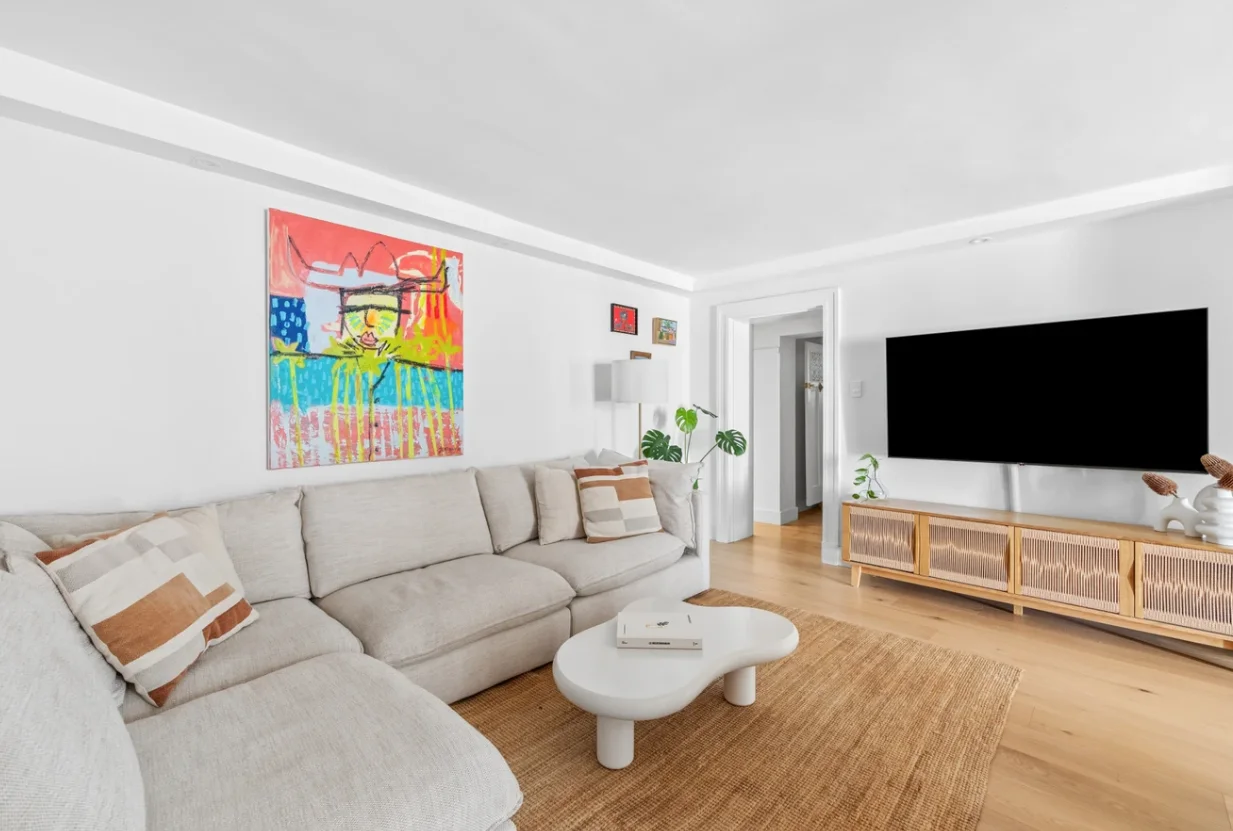
Photo Credit: Ray White Eastern Beaches

Former Recreation Room Became A Renovated Home

The Rose Bay property was originally used as a billiards and recreation room when the building was first constructed. It was later converted into an apartment and bought by the vendors as a one-bedroom property in October 2023 for $785,000.

The owners then spent $80,000 on renovations before the home returned to the sale campaign as a two-bedroom apartment. The finished residence was presented with refreshed interiors, an open living and dining area, a kitchen with an island bench, built-in wardrobes in both bedrooms, a renovated bathroom, internal laundry, air conditioning and added storage.

It also had front and rear access, a separate study area and private entry, giving the below-street-level home a more flexible layout than its original use suggested.

Rose Bay property
Photo Credit: Ray White Eastern Beaches

Location Helped Offset The Trade-Offs

While the apartment lacked features such as parking, balcony access and strong natural light, its Rose Bay position remained central to its appeal.

The property was promoted as being close to local shops, cafés, harbour beaches and transport, including the Rose Bay Ferry Terminal. Its location near everyday amenities helped frame it as a move-in-ready home in a tightly held coastal pocket.

The sale also reflected a preference among some first home buyers for completed properties rather than homes needing further work. High renovation costs and cost-of-living pressure were identified as factors making buyers more cautious about taking on major upgrades after purchase.

Ray White Eastern Beaches
Photo Credit: Ray White Eastern Beaches

Finished Condition Proved Important

The sale of 4/1A Caledonian Road shows how presentation can influence buyer interest when a property has clear compromises. The apartment did not offer every feature commonly expected in a two-bedroom home, but it did offer a renovated interior, usable space and a Rose Bay address.

For the vendors, the $1.3 million result marked a sharp rise from the $785,000 purchase price recorded in October 2023, before allowing for the $80,000 renovation and any other costs.


For buyers, the result underlined the trade-offs often involved in sought-after Sydney locations. In this case, a below-street-level apartment with no parking and limited natural light still attracted a seven-figure sale once renovation, size and location were brought together.

Published 6-May-2026

Rose Bay Junior Sailing Series Opens With Strong Woollahra Turnout

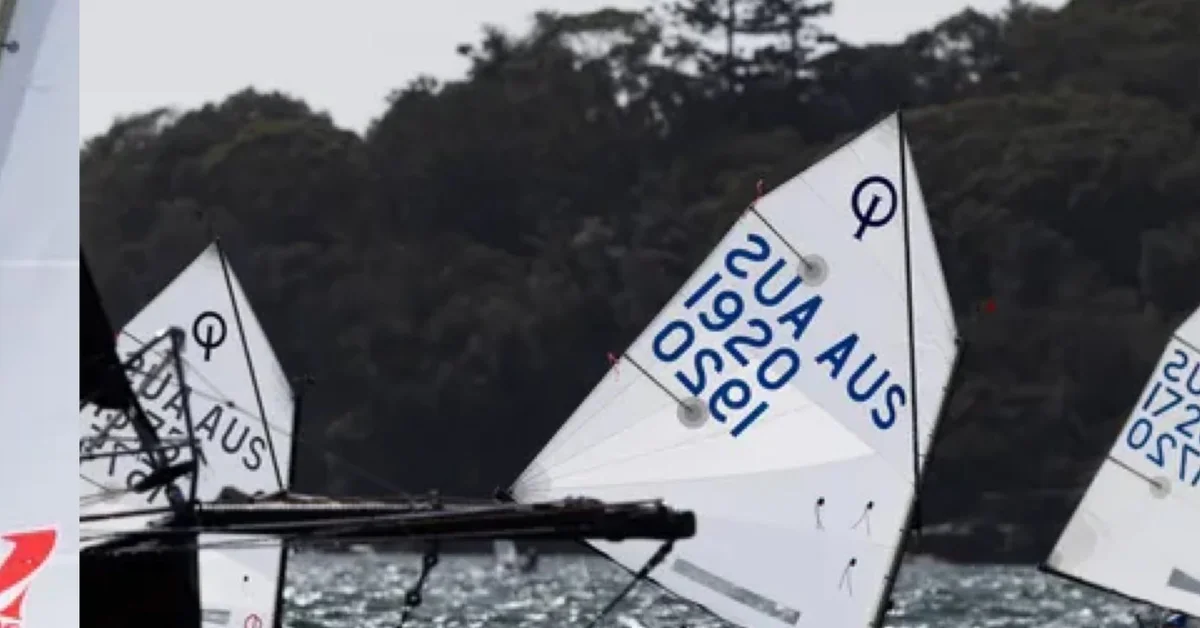
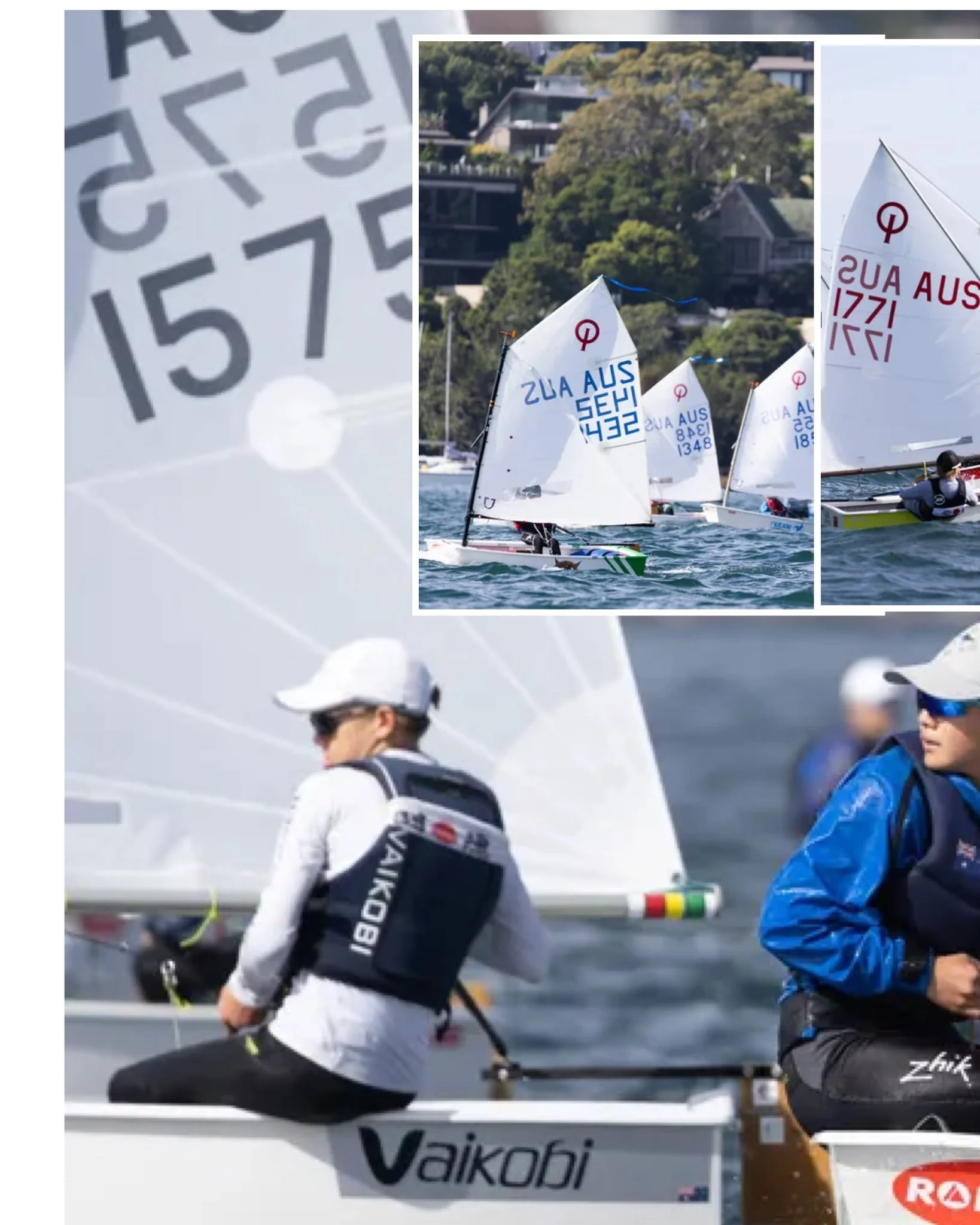
More than 80 young sailors raced on Sydney Harbour as Woollahra Sailing Club in Rose Bay hosted the opening round of the 2026 NSW Optimist Interclub Series.


Young Sailors Race At Rose Bay

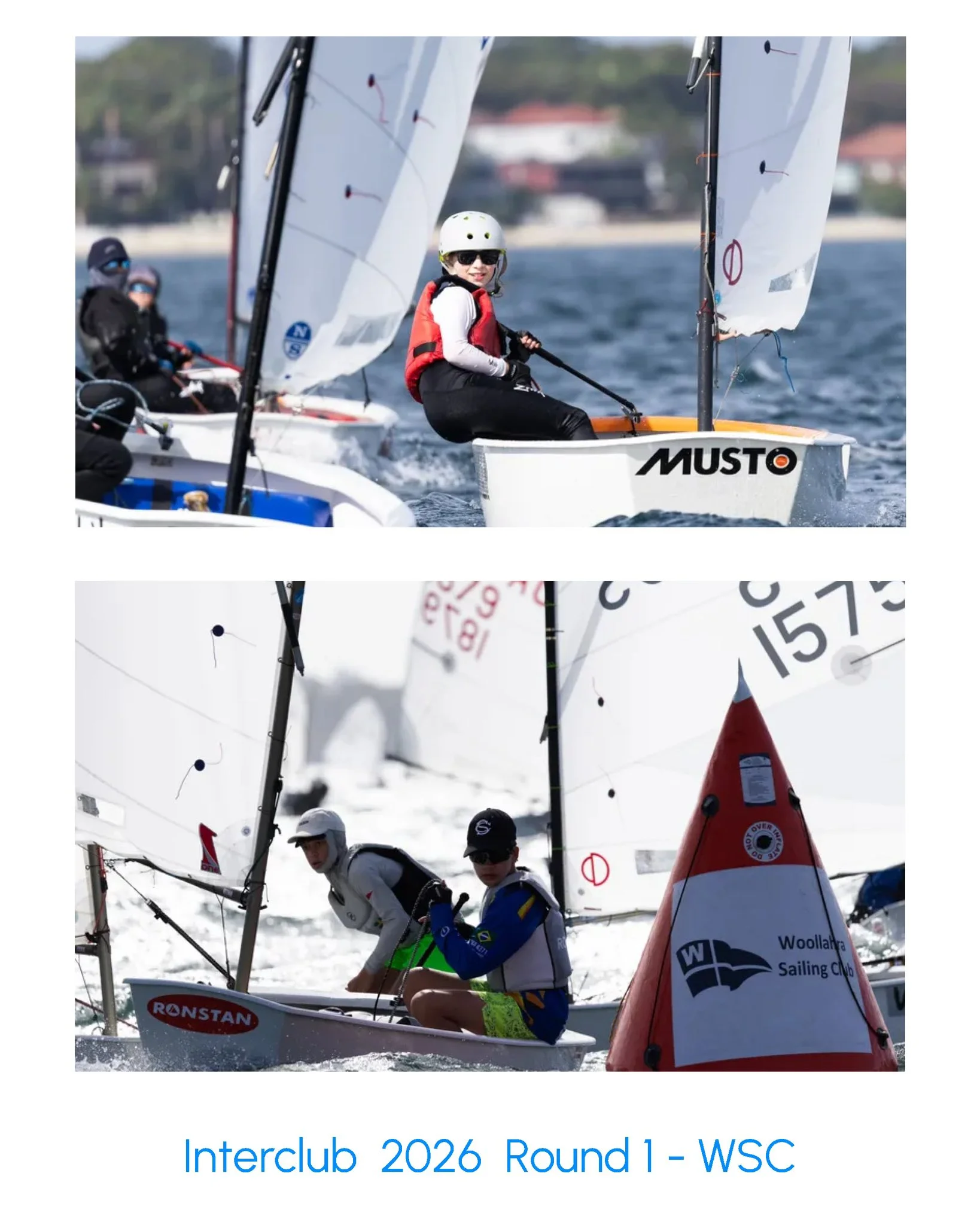
The first round of the 2026 NSW Optimist Interclub Series was held at Woollahra Sailing Club on 3 May 2026, bringing together junior sailors from clubs across New South Wales for a full day of Optimist racing.

Now in its third year, the Interclub series remains free to enter and volunteer-run. The format is aimed at giving young sailors early racing experience while keeping junior competition accessible across the club sailing community.

Competitors raced in the Optimist class, an internationally recognised entry-level dinghy for sailors aged between 8 and 15. The class is commonly used to develop boat handling, tactical decision-making, racecraft and sportsmanship.

Racing began late in the morning after a competitor briefing, with officials completing a full schedule of short-course races across the day.

NSW Optimist Interclub
Photo Credit: James Hill @mainsheet.in/NSW International Optimist Dinghy Association/Facebook

Favourable Conditions On Sydney Harbour

The opening round was held in warm autumn conditions on Sydney Harbour, with the day reaching 26 degrees. Wind conditions were reported as a northerly to north-easterly breeze, with ranges given between 10 and 17 knots across the day.

The steady conditions gave the fleet the chance to race through the full program and allowed competitors to test their handling, decision-making and consistency on the water.

Onshore, families and supporters added to the club atmosphere as the series began its 2026 program at Woollahra Sailing Club.

Woollahra Sailing Club
Photo Credit: James Hill @mainsheet.in/NSW International Optimist Dinghy Association/Facebook

Open And Intermediate Fleet Results

In the Open Fleet, Walter Healy from Woollahra Sailing Club placed first sailing Fish. Luca De Giosa from Hunters Hill Sailing Club placed second with Faccenda Sailing Team, while Sijia Deng from Hunters Hill Sailing Club placed third with Come Together and was also recognised as the first female sailor in the fleet.

In the Intermediate Fleet, Omar Mansour from Georges River Sailing Club placed first sailing Bolt. Max Hughes from the Royal Sydney Yacht Squadron Academy placed second with Far Out, while Lara Dorling from the Royal Prince Alfred Yacht Club off-the-beach program placed third with Lord Lion and was recognised as the first female sailor in the fleet.

NSW Optimist Interclub
Photo Credit: James Hill @mainsheet.in/NSW International Optimist Dinghy Association/Facebook

Volunteers Support Junior Sailing Series

The Interclub series relies on volunteers, parents, race officials, coaches and club support to run each round. Woollahra Sailing Club hosted the opening event, with Royal Sydney Yacht Squadron and Hunters Hill Sailing Club also supporting the broader series.

The event was also supported by Ronstan, Boatcrewgear.com, North Sails, White Bay Marine Park, Vaikobi, NB Sailsports and Rooster Australia, with gifts and prizes provided for competitors throughout the series.


Round 2 of the 2026 NSW Optimist Interclub Series is scheduled to be hosted by Royal Sydney Yacht Squadron on 24 May 2026, giving sailors another opportunity to build on the opening round.

Published 6-May-2026

The Ship That Built a Navy: Rose Bay’s Tingira Memorial Park and the Story Behind It

Tucked along the Rose Bay foreshore on New South Head Road, Tingira Memorial Park commemorates one of the most formative chapters in Australian naval history, honouring the training ship Tingira that moored in these waters from 1912 to 1927 and shaped the earliest generation of Royal Australian Navy sailors.


The park sits at the eastern corner of Vickery Avenue, where the harbour opens out toward the Heads, and it remains one of the few physical reminders of a vessel that trained more than 3,000 young men for naval service, including those who would go on to serve in the First World War.

For Rose Bay residents, the park is a quiet foreshore reserve with harbour views and beach access. For anyone who knows its history, it carries a significance far beyond its modest size.

From Aberdeen to Rose Bay: A Ship With Three Lives

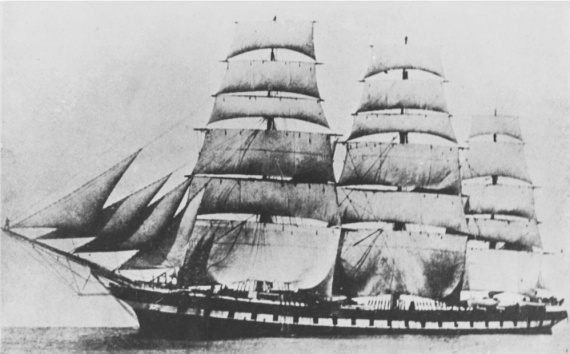
The story of Tingira begins not in Sydney but in Aberdeen, Scotland, where Alexander Hall and Sons launched the vessel in 1866 under the name Sobraon. Built as the largest composite-hull sailing ship ever constructed, with a teak hull over an iron frame and more than two acres of sail under full canvas, Sobraon was designed for speed and capacity on the England-to-Australia migration route. She carried up to 90 first-class passengers per voyage, offered daily fresh milk from onboard livestock, and could reach 16 knots, making her one of the more sought-after ships on the run for the 25 years she worked it.

HMAS Tingira
HMAS Tingira. Photo Credit: Sea Power Centre Australia

When Sobraon retired from passenger service in 1891, the New South Wales colonial government purchased her and moored her off Cockatoo Island as a reformatory ship for troubled boys, training more than 4,000 of them in maritime skills over two decades. Then, in 1911, the newly formed federal government acquired her for a purpose that would define her legacy.

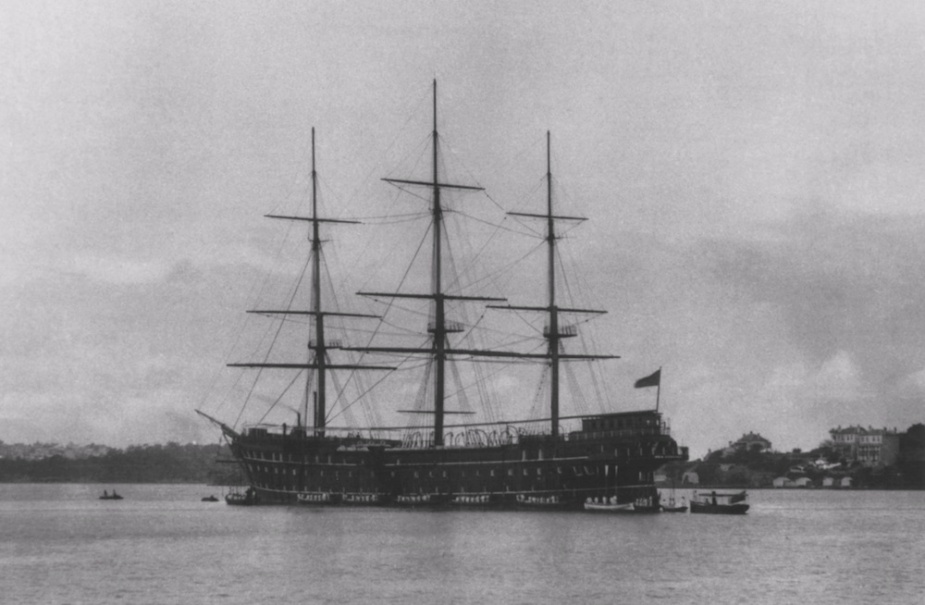
She was refitted, repainted white with yellow masts, and commissioned into the Royal Australian Navy as HMAS Tingira on 25 April 1912, an Anzac Day date that now carries its own layer of meaning. Tingira is an Aboriginal word for “open sea.”

The Cradle of the RAN

Naval historians have long referred to Tingira as the Cradle of the Royal Australian Navy, and with good reason. Moored on a swinging anchor in the middle of Rose Bay, she served as the Navy’s primary training vessel for boys aged 14 and a half to 16 under the Department of the Navy’s boy enlistment scheme. Up to 250 trainees could be accommodated at any one time, though the complement rarely exceeded 200. Between her commissioning and decommissioning in 1927, Tingira trained 3,158 young men for naval service, many of whom saw active duty during the First World War.

HMAS Tingira. Photo Credit: Sea Power Centre Australia

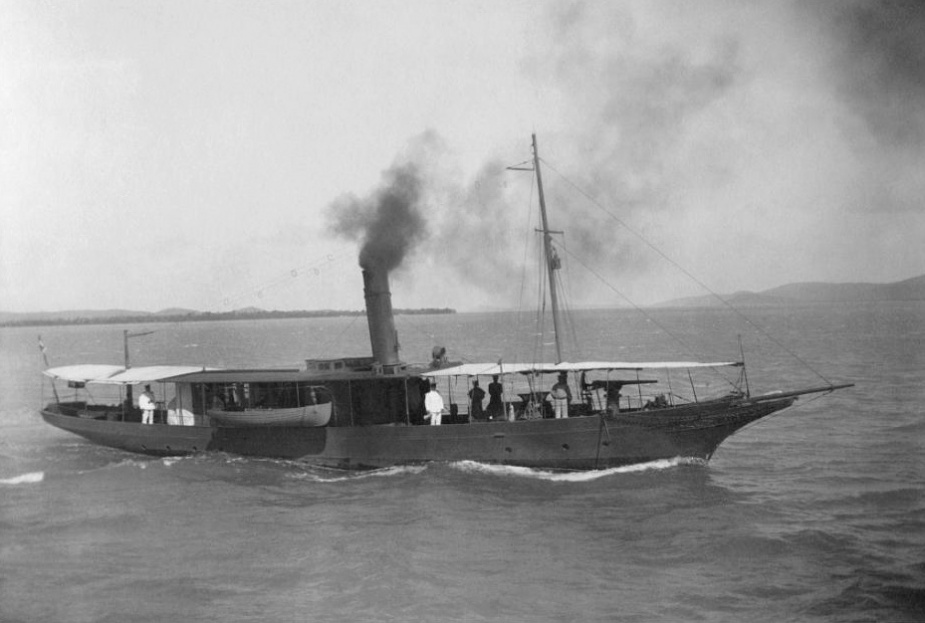
Because the ship itself was permanently moored, a steam yacht tender, HMAS Sleuth, was attached to provide trainees with actual seagoing experience. The combination of classroom and on-water instruction aboard the two vessels gave the RAN a structured pathway for producing capable lower deck sailors during the years when Australia’s naval identity was still being formed.

HMAS Sleuth. Photo Credit: Sea Power Centre Australia

Tingira was paid off in June 1927 when the Navy changed its recruiting arrangements and the ship became surplus to requirements. She spent years deteriorating in Berry’s Bay, was sold to a private owner who died before putting her to any use, and eventually passed into the hands of those who tried and failed to preserve her as a national relic. Shipbreakers dismantled the vessel in 1941, salvaging her valuable teak and brass for the war effort before disposing of the remaining hull. 

A Park That Keeps the Memory Afloat

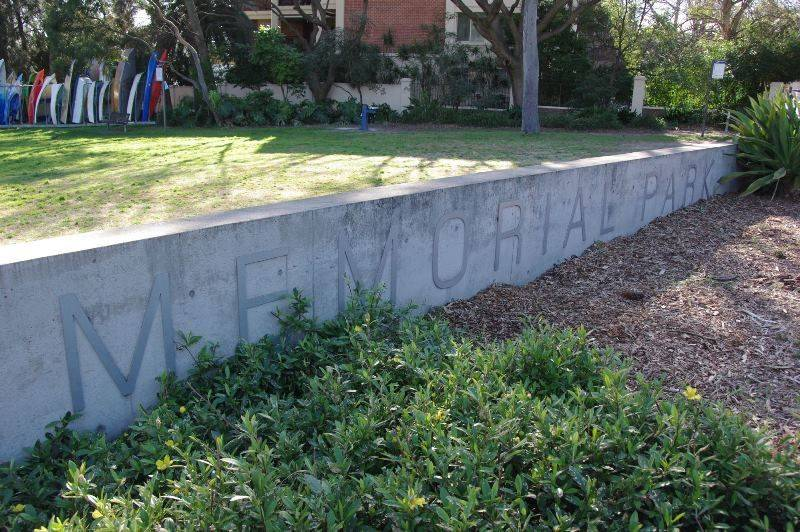
The memorial park that now bears her name was established in two stages, the first in 1962 and the second completed in 1977, by which point the Tingira Old Boys Association had worked with local authorities to formalise the tribute. A refurbishment in 2004, funded jointly by the Australian Department of Veterans’ Affairs, the Woollahra municipal authority and the Rose Bay RSL Club and Sub-Branch, brought the park to its current form, designed by Jane Irwin Landscape Architects in association with McGregor Westlake Architects.

Photo Credit: Monument Australia

The redesign opened up harbour views framed by existing casuarina stands at the water’s edge and installed a low wall with metal lettering and display panels carrying the ship’s history and plaques honouring trainees.

The park’s connection to Anzac Day runs deeper than most visitors realise. Tingira was commissioned on 25 April 1912, the very date that would, three years later, become etched into Australian memory at Gallipoli. Many of the young men she trained in those early years went on to serve in the war that followed. For communities across the Eastern Suburbs who mark Anzac Day each April, the park on the Rose Bay foreshore is a place where that connection becomes tangible.

Visiting Tingira Memorial Park

Tingira Memorial Park sits on New South Head Road in Rose Bay, with direct access to Rose Bay beach and a foreshore walk that continues east along the harbour. Full details on the park and its facilities are available here.


Published 17-April-2026