


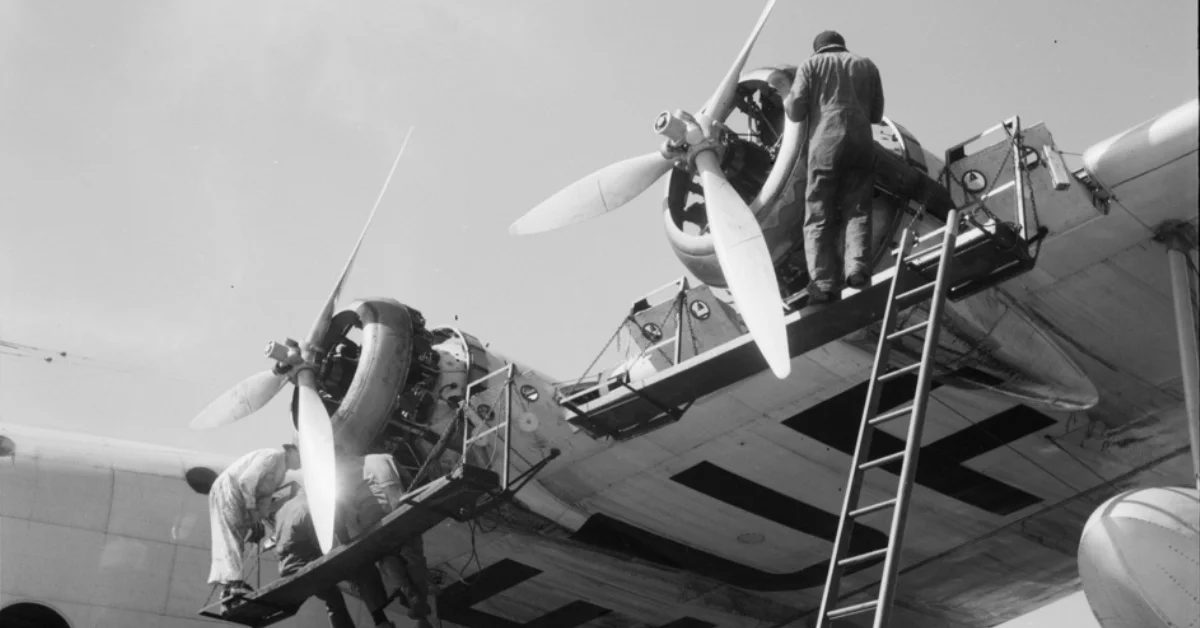
Long before Sydney Airport became the city’s international gateway, passengers were beginning journeys to Britain from the waters of Rose Bay. In 1938, flying boats operated by Qantas Empire Airways and Imperial Airways turned the harbour suburb into a departure point for international air travel.
Read: When Smallpox Struck Sydney Harbour In 1789
Qantas began international passenger operations in 1935, initially connecting Brisbane with Singapore. The Sydney-London flying-boat service followed in 1938, when Rose Bay became the city’s international gateway for flights operated by Qantas Empire Airways and Imperial Airways.
The location was practical. Flying boats did not require a conventional runway, instead using suitable stretches of water for take-off and landing. Rose Bay offered calm harbour waters and was close to central Sydney, making it a useful base for long-distance services.
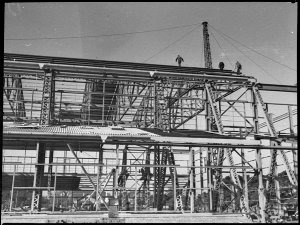
The Rose Bay flying-boat operation officially opened in August 1938. The first full Sydney to Southampton service had already departed the previous month aboard the Empire flying boat Cooee.


The journey to Britain was nothing like today’s long-haul travel. The early “Kangaroo Route” could take around 12 days. The Rose Bay flying-boat service to Southampton in 1938 took about 10 days and involved roughly 30 stops.
From 12 days to five
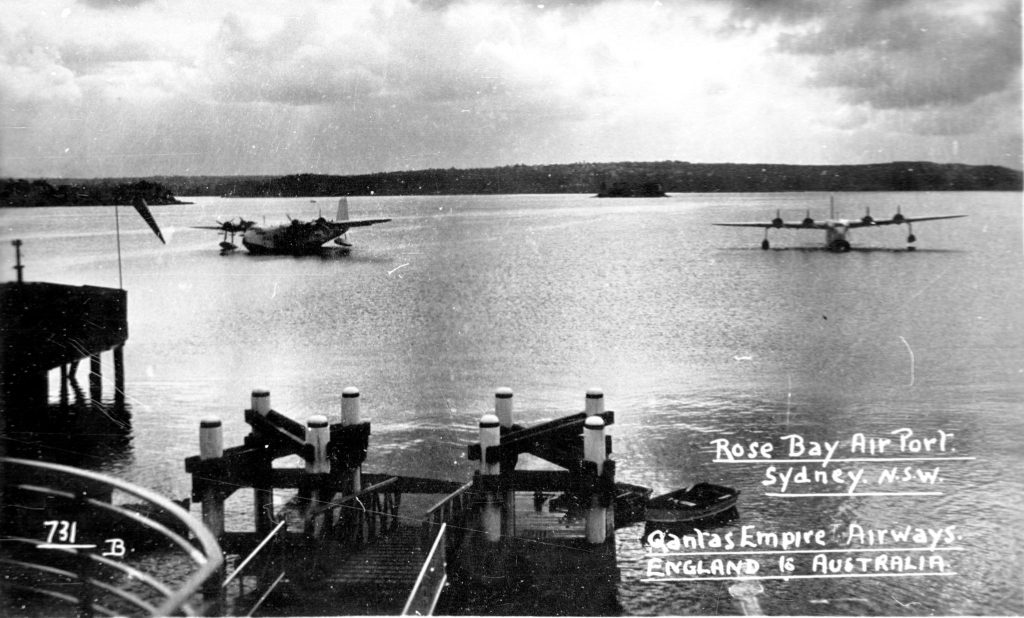
The Kangaroo Route connected Australia with Britain through a series of stops across Asia, the Middle East and Europe. By 1947, the Sydney-London journey had been reduced to about five days, although passengers still had to make several stops along the way.
The change becomes even more striking when compared with modern air travel. Today, a typical Sydney-London journey with a stopover takes about 24 to 25 hours, depending on the routing.
The next major change is already on the horizon. Qantas is scheduled to begin non-stop Sydney-London services in October 2027 as part of its Project Sunrise program. The new service is expected to take around 19 to 21 hours depending on conditions, while the aircraft is designed for flights of up to 22 hours.
The aircraft and passenger experience have changed almost beyond recognition. The flying boats carried relatively small numbers of passengers and were designed around long-distance comfort. There was a galley for preparing meals, while passengers could move around the aircraft during the journey.
Smoking was also permitted. The aircraft had a dedicated smoking cabin, something that would be unthinkable on a modern commercial flight. For passengers making a journey lasting several days, it was simply part of the onboard experience.
War, changing aircraft, and the end of Rose Bay’s airport
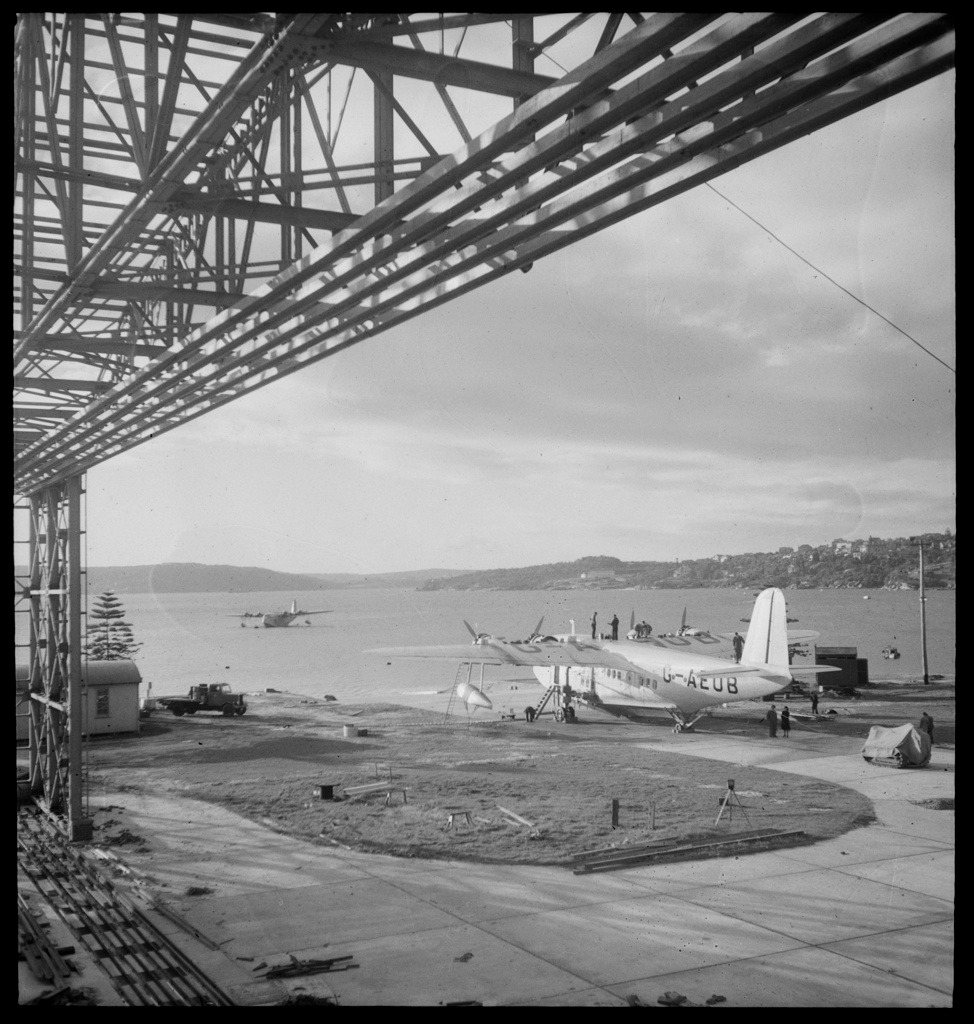
The international flying-boat era at Rose Bay was interrupted by World War II. Commercial services were suspended during the conflict, while the flying boats were used for wartime purposes, including transporting supplies and conducting reconnaissance operations.
After the war, passenger services returned, but the aviation industry was already moving in another direction. Long-range land-based aircraft increasingly challenged flying boats as improvements in aircraft technology made conventional airliners more practical for international routes.
Qantas discontinued its flying-boat service in 1955 and sold its aircraft to Ansett Airways. Ansett continued operating flying boats to destinations in the South Pacific, including Lord Howe Island.
The final flying-boat services from Rose Bay ended in 1974, marking the close of an era in Sydney’s aviation history. The terminal and remaining airport infrastructure were later removed, leaving little obvious evidence of the suburb’s former role as an international gateway.
Yet the connection has not disappeared entirely. Seaplanes still operate from Rose Bay, offering a modern echo of the aircraft that once landed on the harbour. The numbers tell the story. An international journey that could once take around 12 days was reduced to five by 1947. Today, Sydney to London can be completed in about a day with a stopover, while Qantas’ planned non-stop service is expected to cut the journey to around 20 hours.
Read: Rose Bay Tower Bid Would Stand Three Times the Height Limit
Rose Bay was once where travellers began the long journey to Britain aboard a flying boat, with dozens of stops along the way and a dedicated smoking cabin on board. It remains a remarkable chapter in the history of Sydney’s international aviation.
Published 22-August-2026