


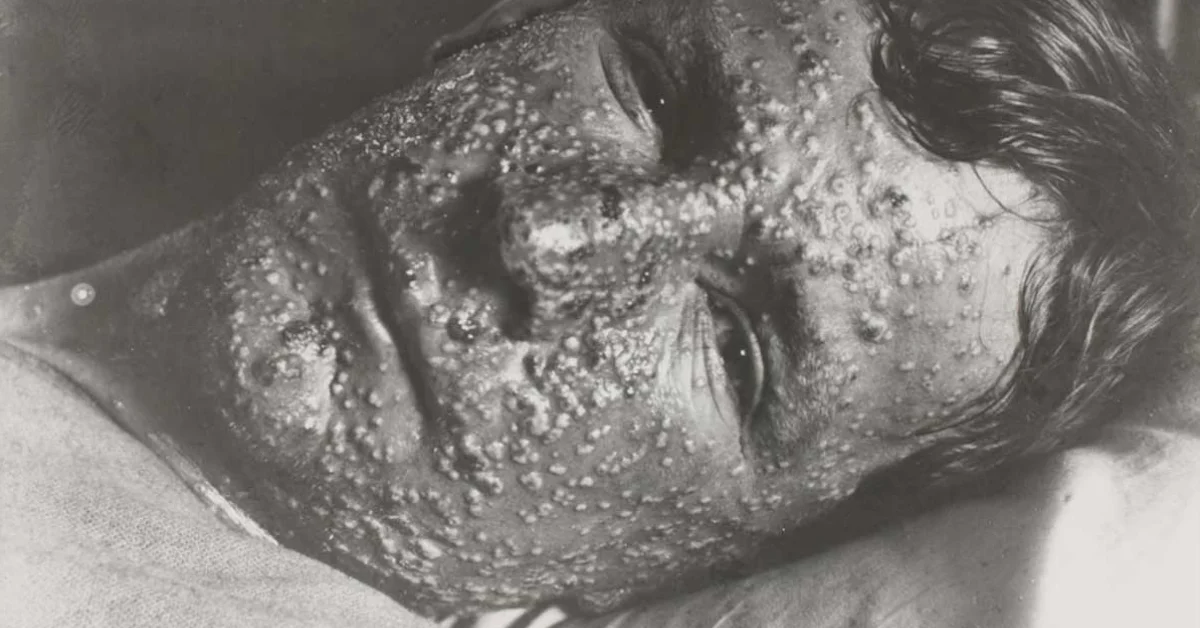
The Sydney smallpox epidemic began around the harbour in April 1789. New modelling suggests it may have continued for up to 21 years and killed between 40,000 and 220,000 Indigenous Australians.
The outbreak appeared shortly after the First Fleet arrived in January 1788 and established a British settlement at Sydney Cove.
Many colonists had already encountered smallpox and developed some resistance. Aboriginal communities around the harbour had not previously been exposed to the disease and faced severe illness and high death rates.
Early colonial accounts described Aboriginal people found dead on beaches and in rock shelters between Sydney Cove and the Heads. Some were discovered beside small fires, with water left within reach.


Smallpox Reaches Sydney Harbour
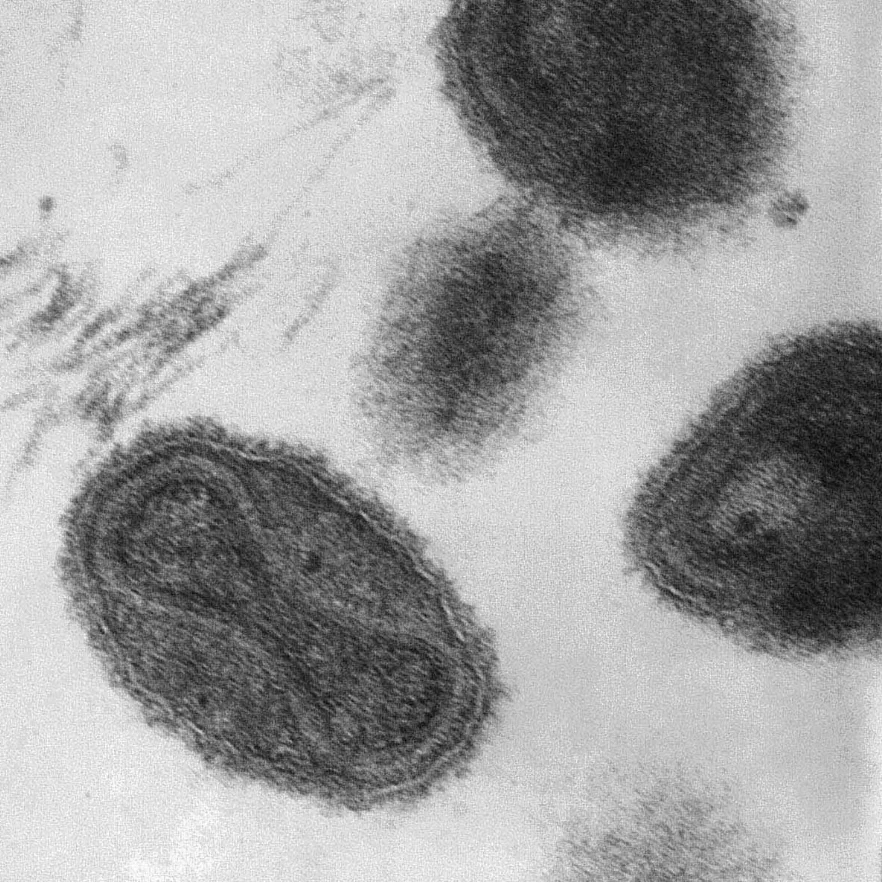
Smallpox caused fever, severe illness and a rash of pus-filled sores. Survivors were often left with permanent scarring, while some also lost their sight.
The disease spread easily between people. Once someone became seriously ill, however, travelling long distances became difficult.
How smallpox entered Sydney’s Aboriginal communities remained disputed for more than two centuries.
One theory blamed French visitors who stayed at Botany Bay after the British arrived. However, an outbreak caused by that visit would probably have appeared much earlier than April 1789.
Another theory suggested Makassan visitors introduced the disease in northern Australia before it travelled south through Aboriginal trade routes.
A third possibility involved preserved smallpox material carried with the First Fleet. Before vaccination was developed, doctors used infected material to deliberately give patients a milder form of the illness and build immunity.
The precise cause of the outbreak remains unknown. The research does not establish whether the preserved material caused the epidemic or whether any release was accidental or deliberate.
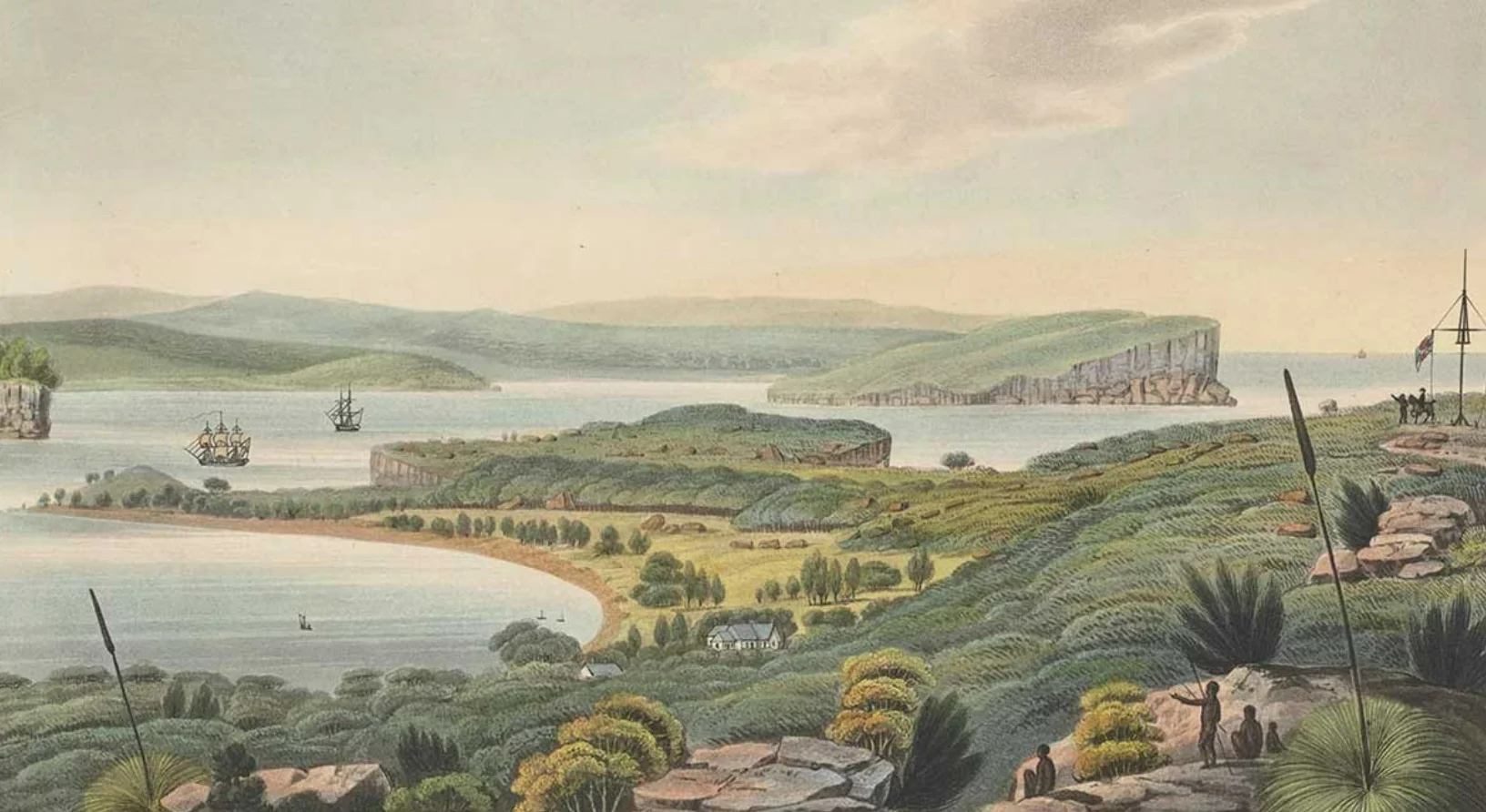
Photo Credit: National Museum Australia
Modelling Tests The Competing Theories
Research published in Nature Human Behaviour on 10 July 2026 tested whether the disease could realistically have travelled from northern Australia to Sydney.
The model combined knowledge of smallpox with Aboriginal movement routes used for water, food, family connections, trade and ceremony.
Researchers allowed for faster travel and greater contact between communities, but the northern route still did not fit the timing of the 1789 outbreak.
The modelling instead strongly supported a Sydney origin linked to the British settlement.
Sydney Smallpox Epidemic Moves Inland
The disease may not have remained around Sydney Harbour for long.
The model suggests smallpox followed coastlines, rivers and established travel routes through south-eastern Australia. Major waterways such as the Murray and Lachlan rivers may have connected affected communities.
Under some scenarios, the epidemic reached as far north as Townsville and as far west as Adelaide. It did not spread to every part of Australia.
The outbreak may have continued for up to 21 years as it moved between communities across thousands of kilometres.
Using an assumed fatality rate of 60 per cent, researchers estimated that between 40,000 and 220,000 Indigenous Australians may have died.
The upper figure is a modelling estimate, not a recorded historical death toll.
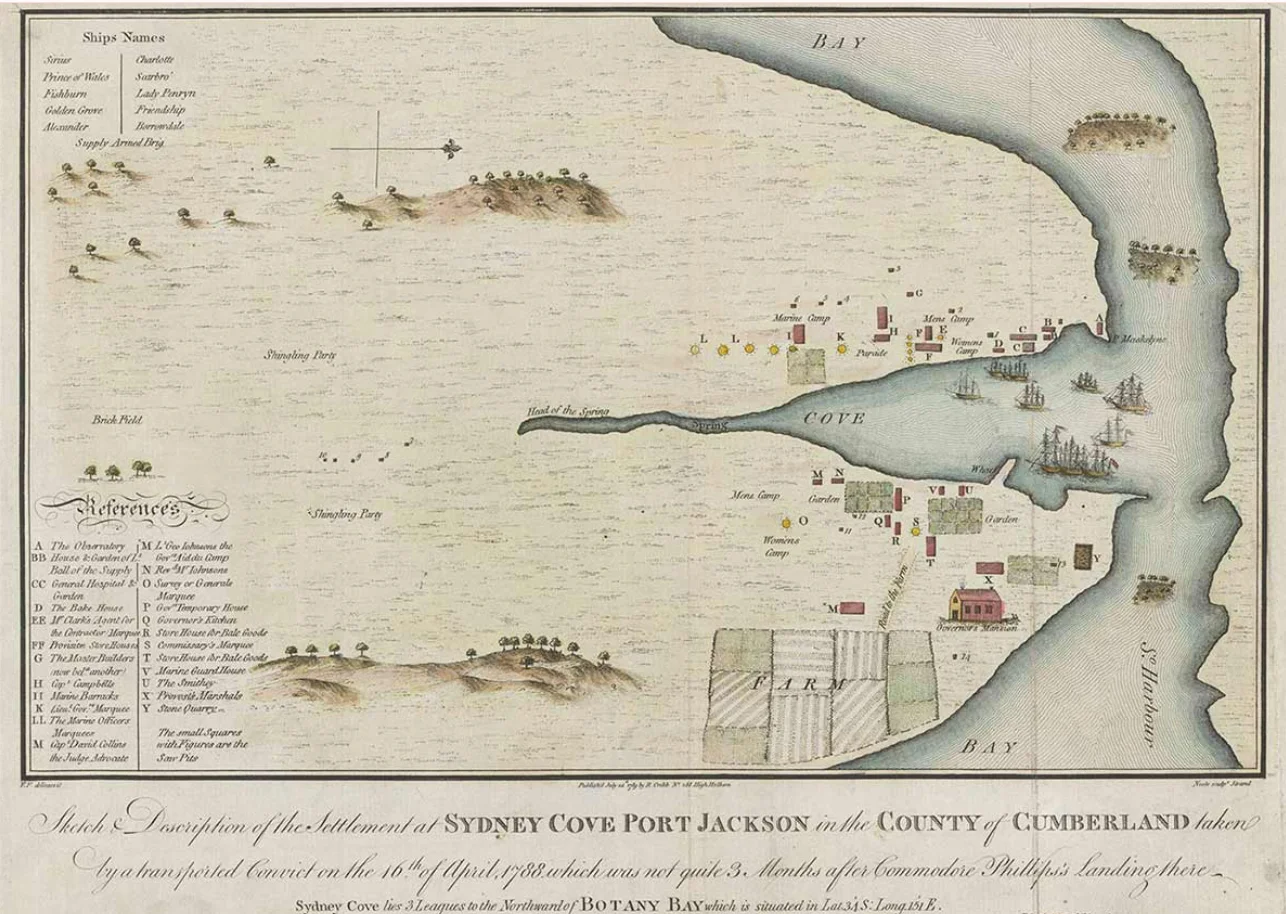
Photo Credit: National Museum Australia
Losses Extended Beyond The Death Toll
The deaths of Elders, children and pregnant women affected entire communities.
Families were separated, while languages, cultural knowledge and systems for caring for Country were disrupted. Survivors were often left without relatives or community leaders.
The study was conducted through the ARC Centre of Excellence for Indigenous and Environmental Histories and Futures in collaboration with the Gujaga Foundation of the Dharawal Nation.
The researchers said the modelling was designed to sit alongside Aboriginal knowledge, memory and oral history rather than replace them.
Historical accounts and Dharawal knowledge record Aboriginal people returning to Sydney Harbour within weeks of the outbreak’s peak.
Communities continued fishing, living around the harbour, speaking their language and practising culture throughout the following century.
During the 1880s, remaining descendants were forcibly relocated to the government reserve at La Perouse. Dharawal culture and language continued to be practised and passed on there.
Published 13-July-2026