
The Ship That Built a Navy: Rose Bay’s Tingira Memorial Park and the Story Behind It

Tucked along the Rose Bay foreshore on New South Head Road, Tingira Memorial Park commemorates one of the most formative chapters in Australian naval history, honouring the training ship Tingira that moored in these waters from 1912 to 1927 and shaped the earliest generation of Royal Australian Navy sailors.


The park sits at the eastern corner of Vickery Avenue, where the harbour opens out toward the Heads, and it remains one of the few physical reminders of a vessel that trained more than 3,000 young men for naval service, including those who would go on to serve in the First World War.

For Rose Bay residents, the park is a quiet foreshore reserve with harbour views and beach access. For anyone who knows its history, it carries a significance far beyond its modest size.

From Aberdeen to Rose Bay: A Ship With Three Lives

The story of Tingira begins not in Sydney but in Aberdeen, Scotland, where Alexander Hall and Sons launched the vessel in 1866 under the name Sobraon. Built as the largest composite-hull sailing ship ever constructed, with a teak hull over an iron frame and more than two acres of sail under full canvas, Sobraon was designed for speed and capacity on the England-to-Australia migration route. She carried up to 90 first-class passengers per voyage, offered daily fresh milk from onboard livestock, and could reach 16 knots, making her one of the more sought-after ships on the run for the 25 years she worked it.

HMAS Tingira
HMAS Tingira. Photo Credit: Sea Power Centre Australia

When Sobraon retired from passenger service in 1891, the New South Wales colonial government purchased her and moored her off Cockatoo Island as a reformatory ship for troubled boys, training more than 4,000 of them in maritime skills over two decades. Then, in 1911, the newly formed federal government acquired her for a purpose that would define her legacy.

She was refitted, repainted white with yellow masts, and commissioned into the Royal Australian Navy as HMAS Tingira on 25 April 1912, an Anzac Day date that now carries its own layer of meaning. Tingira is an Aboriginal word for “open sea.”

The Cradle of the RAN

Naval historians have long referred to Tingira as the Cradle of the Royal Australian Navy, and with good reason. Moored on a swinging anchor in the middle of Rose Bay, she served as the Navy’s primary training vessel for boys aged 14 and a half to 16 under the Department of the Navy’s boy enlistment scheme. Up to 250 trainees could be accommodated at any one time, though the complement rarely exceeded 200. Between her commissioning and decommissioning in 1927, Tingira trained 3,158 young men for naval service, many of whom saw active duty during the First World War.
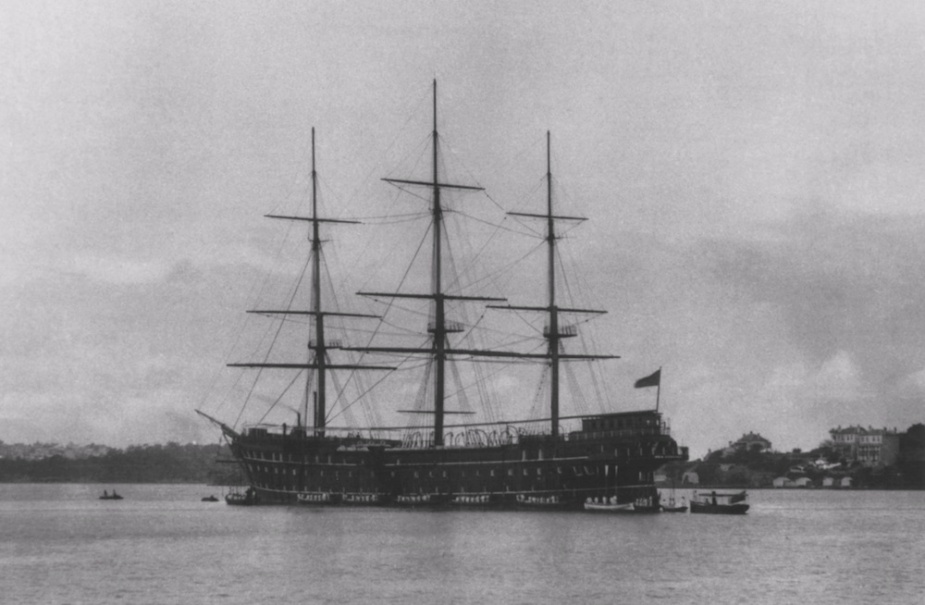
HMAS Tingira. Photo Credit: Sea Power Centre Australia

Because the ship itself was permanently moored, a steam yacht tender, HMAS Sleuth, was attached to provide trainees with actual seagoing experience. The combination of classroom and on-water instruction aboard the two vessels gave the RAN a structured pathway for producing capable lower deck sailors during the years when Australia’s naval identity was still being formed.
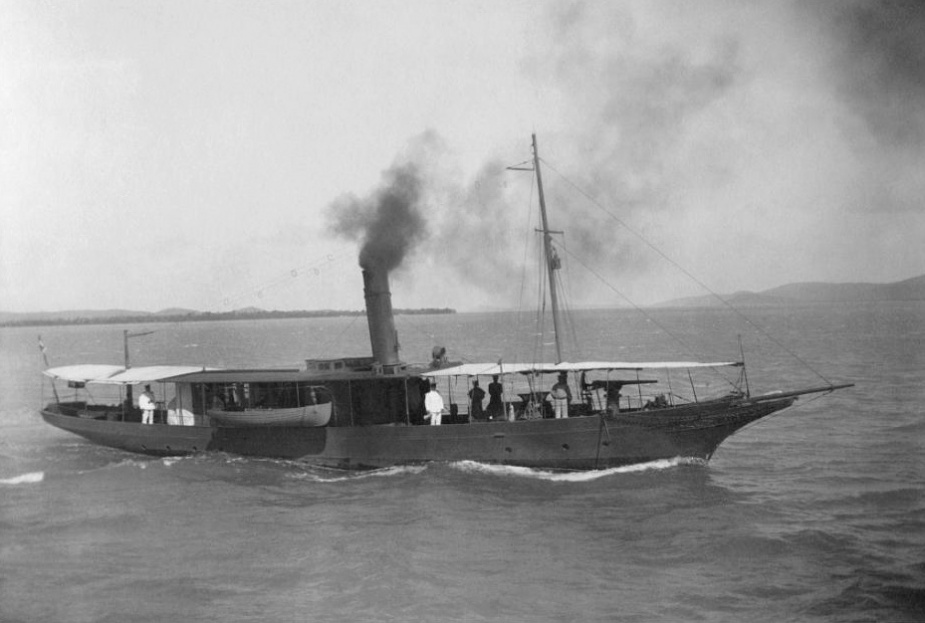
HMAS Sleuth. Photo Credit: Sea Power Centre Australia

Tingira was paid off in June 1927 when the Navy changed its recruiting arrangements and the ship became surplus to requirements. She spent years deteriorating in Berry’s Bay, was sold to a private owner who died before putting her to any use, and eventually passed into the hands of those who tried and failed to preserve her as a national relic. Shipbreakers dismantled the vessel in 1941, salvaging her valuable teak and brass for the war effort before disposing of the remaining hull. 

A Park That Keeps the Memory Afloat

The memorial park that now bears her name was established in two stages, the first in 1962 and the second completed in 1977, by which point the Tingira Old Boys Association had worked with local authorities to formalise the tribute. A refurbishment in 2004, funded jointly by the Australian Department of Veterans’ Affairs, the Woollahra municipal authority and the Rose Bay RSL Club and Sub-Branch, brought the park to its current form, designed by Jane Irwin Landscape Architects in association with McGregor Westlake Architects.
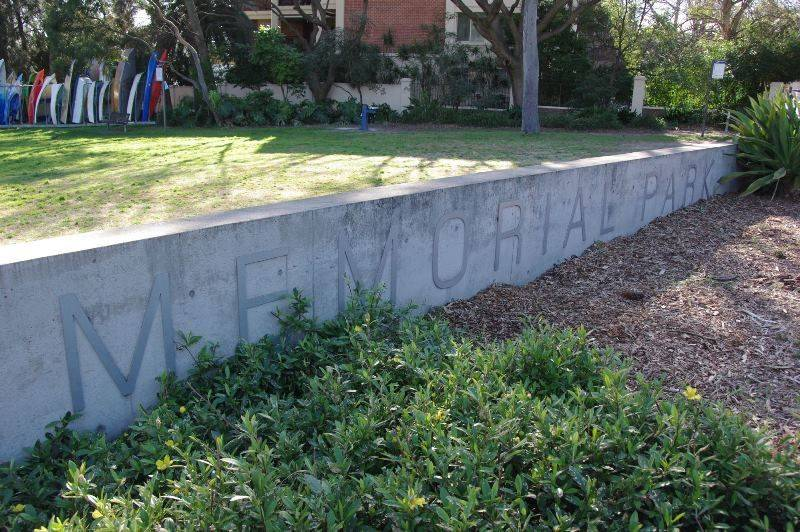
Photo Credit: Monument Australia

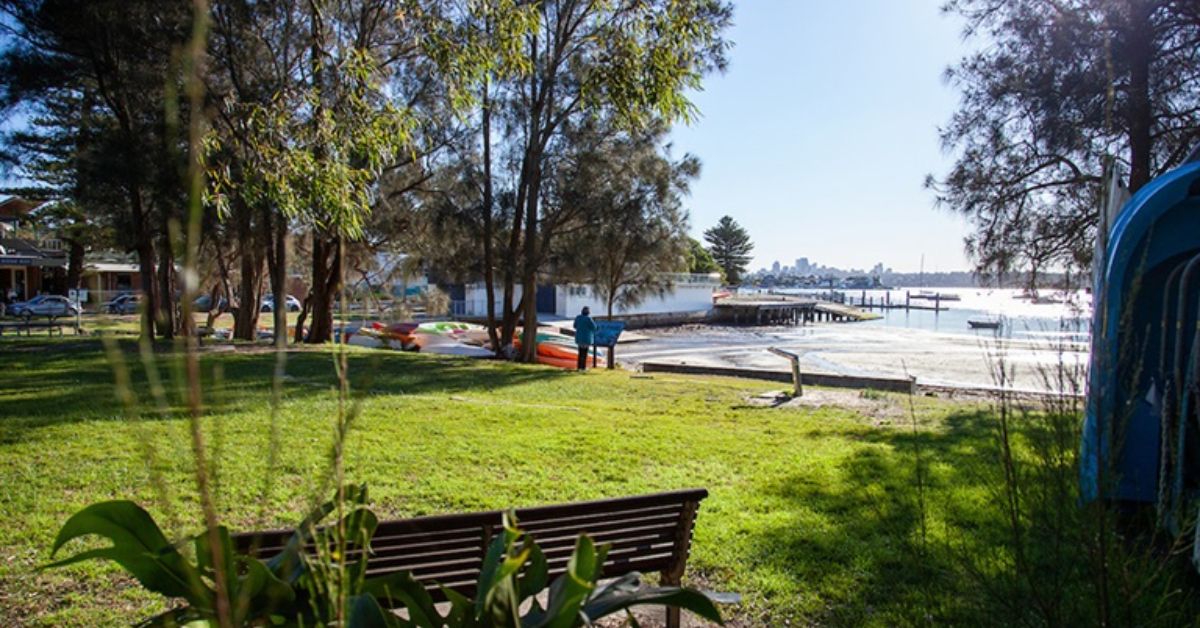
The redesign opened up harbour views framed by existing casuarina stands at the water’s edge and installed a low wall with metal lettering and display panels carrying the ship’s history and plaques honouring trainees.

The park’s connection to Anzac Day runs deeper than most visitors realise. Tingira was commissioned on 25 April 1912, the very date that would, three years later, become etched into Australian memory at Gallipoli. Many of the young men she trained in those early years went on to serve in the war that followed. For communities across the Eastern Suburbs who mark Anzac Day each April, the park on the Rose Bay foreshore is a place where that connection becomes tangible.

Visiting Tingira Memorial Park

Tingira Memorial Park sits on New South Head Road in Rose Bay, with direct access to Rose Bay beach and a foreshore walk that continues east along the harbour. Full details on the park and its facilities are available here.


Published 17-April-2026

Anzac Unease Grows in Rose Bay as Veterans Question Club Revamp


Club Rose Bay was once relied on by veterans and older locals for a drink, a catch-up and Anzac commemorations, but it has become the centre of disagreement within the community, with long-time members saying the revamped venue no longer feels built for the people it was meant to serve. 


The dispute has flared in the lead-up to Anzac Day, when Rose Bay’s RSL sub-Branch is preparing its annual service and community gathering. On its own public schedule, the sub-Branch lists an ANZAC Sunday Service for April 19, 2026, while Merivale is promoting Anzac Day trading and two-up at Club Rose Bay on April 25. 

Photo Credit: Merivale/Club Rose Bay

The overlap has sharpened a local question: can the new-look venue still meet the expectations many veterans and older members have of an RSL at the most important time of the year? 

Rose Bay’s Anzac Focus Meets a New Club Identity

Club Rose Bay was brought back from administration after members voted 147 to one in January 2025 to proceed with a Merivale management deal. Reports at the time described the club as being under major financial strain, with the site having closed in 2024 before the rescue package was backed by members. The vote gave Merivale, led by Justin Hemmes, control of food and beverage operations, while the club itself continued as a registered club. 

Since then, the venue has been repositioned as Club Rose Bay and reopened after a year-long refurbishment in December 2025. Merivale and design coverage around the reopening described a broad remake of the site, presenting it as a renewed local destination with hospitality, outdoor trading and updated social spaces. Lifestyle coverage also cast the project as the venue’s biggest refresh in decades. 

This fresh start has not landed the same way with everyone. The central complaint from critics is not simply that the club looks different, but that its role in community life has shifted. Veterans and older members argued the atmosphere now feels more suited to younger patrons arriving for food, drinks and entertainment than to ex-service people wanting the familiar club culture associated with an RSL, especially ahead of Anzac Day. 

A Club Saved for Some, But Harder to Use for Others

The strongest concern is practical as much as symbolic. The loss of the car park and the move toward a busier outdoor venue had made the site harder for older patrons to use. Old-time patrons pointed to parking pressure, access issues and long waits for service as signs the club’s daily rhythm had changed. 

For older veterans, it’s more than just comfort. Rose Bay RSL describes its Anzac service as one of the most significant events organized by the sub-Branch each year. This means that concerns about queues, noise, access, and crowd mix are not just practical issues. These concerns reflect a belief that a place linked to service and memory is changing too quickly for them to keep up with.

Supporters of the revamp make a different case. Their argument begins with the fact that the club was in serious trouble before the Merivale deal. Seen through that lens, the new Club Rose Bay is not a takeover of a healthy institution but an attempt to stop one from failing. 

The debate around Club Rose Bay is no longer just about outdoor trading, crowd noise or planning rules. At the centre of that divide is a simple question: who is the club really for? 


Published 16-April-2026

Rose Bay Rugby Club Opens Long-Awaited Women’s Change Rooms

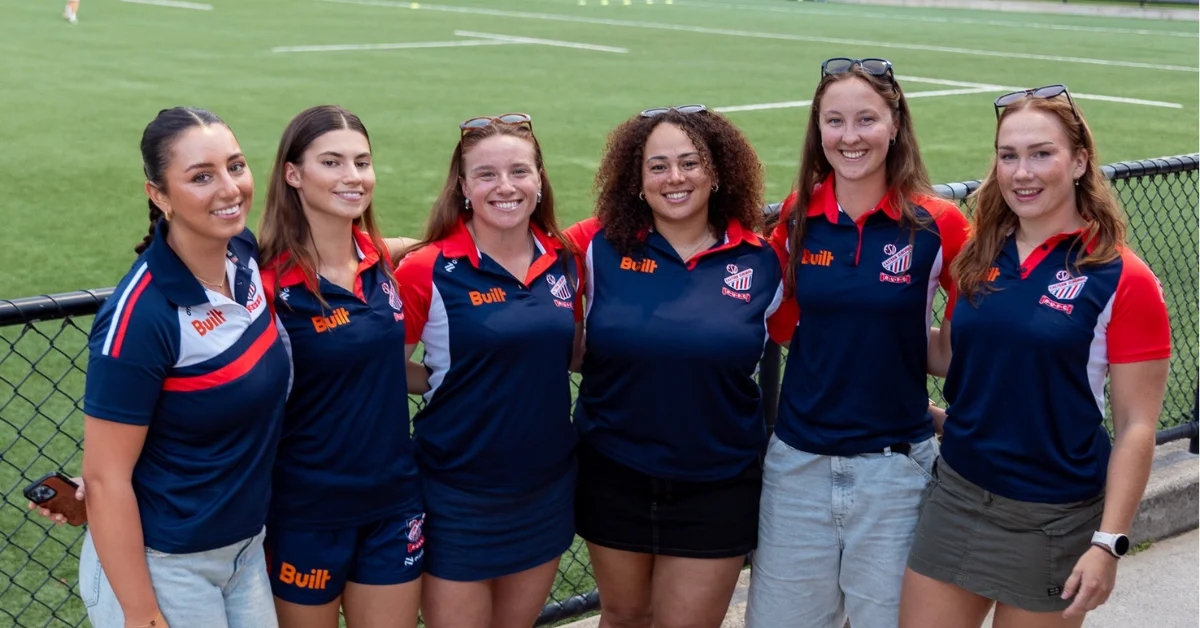
New women’s change rooms are now open at Easts Rugby in Rose Bay, giving female players access to dedicated facilities at a local club where women’s sport continues to grow.


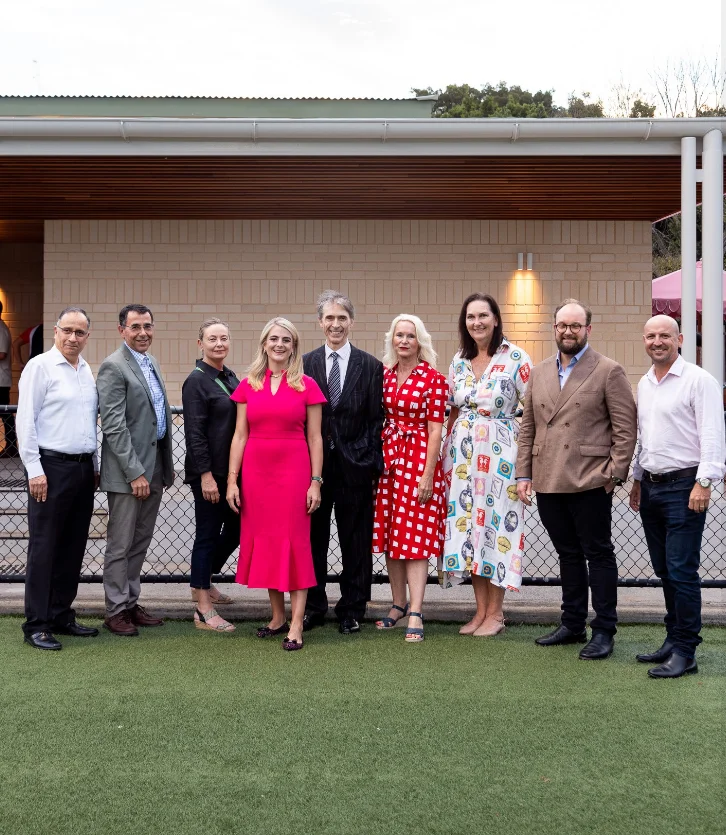
The new women’s change rooms at Easts Rugby Club have opened at Andrew Petrie Oval in Rose Bay, marking a practical upgrade for female players and the wider club community.

The opening was marked on 10 April, with the facilities arriving in time for the rugby season. The project has been described as long awaited and is centred on improving the experience of women and girls taking part in local sport.

For Easts Rugby, the new building addresses a basic but important need. Female players now have dedicated change room facilities at the club, rather than relying on unsuitable arrangements before and after games or training.

 female change rooms,
Photo Credit: WoollahraCouncil/Facebook

Easts Rugby Upgrade Supports Female Participation

The Rose Bay project has been closely linked to women’s sport participation and the need for facilities that properly support female players.

Before the upgrade, concerns had been raised that women and girls should not have to change in cars when taking part in sport. The new change rooms provide a more appropriate space for players and help make the club environment more practical for women and girls at different levels of participation.

The opening also reflects the growing attention being given to female sport at community level. As clubs encourage more women and girls to take part, facilities such as change rooms, amenities and team spaces play a direct role in making participation easier and more sustainable.

New Facilities Add To Easts Rugby Club

The new building includes dedicated female change rooms, accessible amenities, first aid and referee rooms, team areas and a covered viewing veranda.

Those additions make the facility useful beyond the change rooms alone, supporting players, officials and families using the grounds. The upgrade gives Easts Rugby a more complete setting for training days and match days, while keeping the focus on the needs of female players.

The project was also backed by a $500,000 contribution towards its completion, along with support connected to the use of the site. Additional funding assistance was also acknowledged through the sport sector.

Women’s change rooms at Easts Rugby
Photo Credit: WoollahraCouncil/Facebook

A Practical Step For Local Sport

The new women’s change rooms give Easts Rugby a visible and practical improvement at its Rose Bay home.

For players, the change means access to dedicated amenities within the club environment. For families, it offers a more suitable setting for girls and women taking part in sport. For the club, it strengthens the facilities available as female participation continues to be encouraged.


The upgrade is not just about a new building. It is about ensuring the spaces around local sport better match the people using them. With the change rooms now open, Easts Rugby begins the season with facilities that more clearly support women and girls on and around the field.

Published 11-Apr-2026

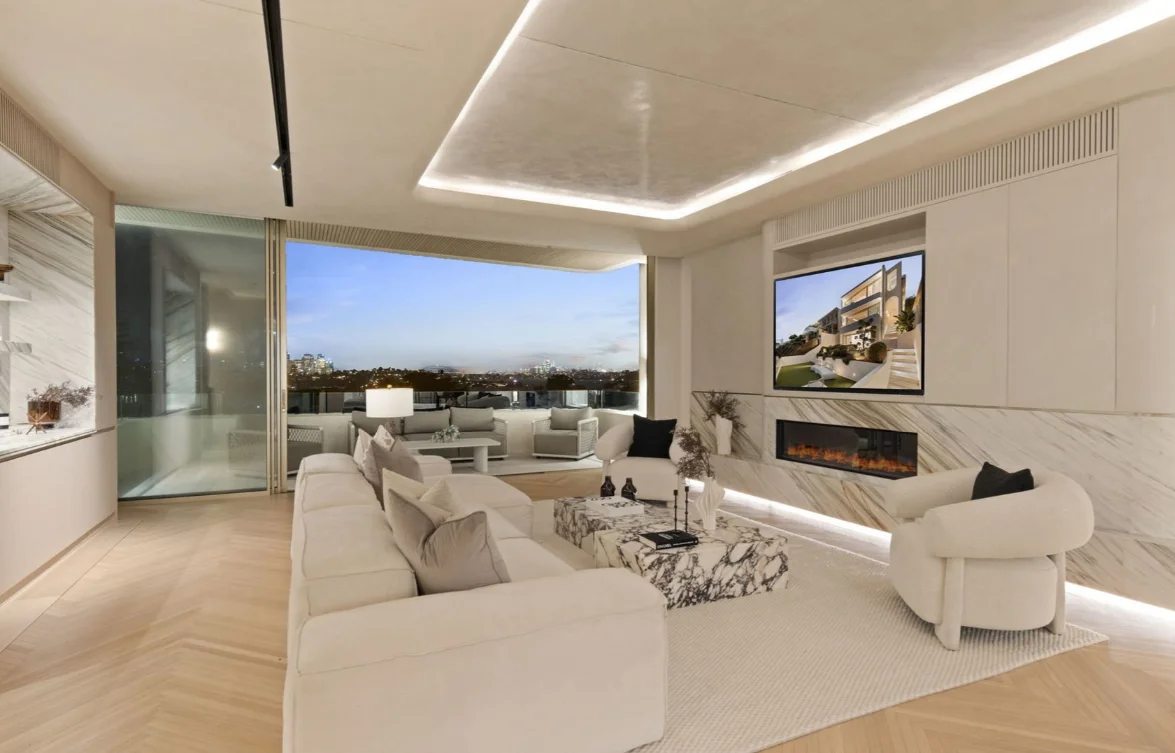
Rose Bay Home Revamp Delivers Near Triple Sale Price

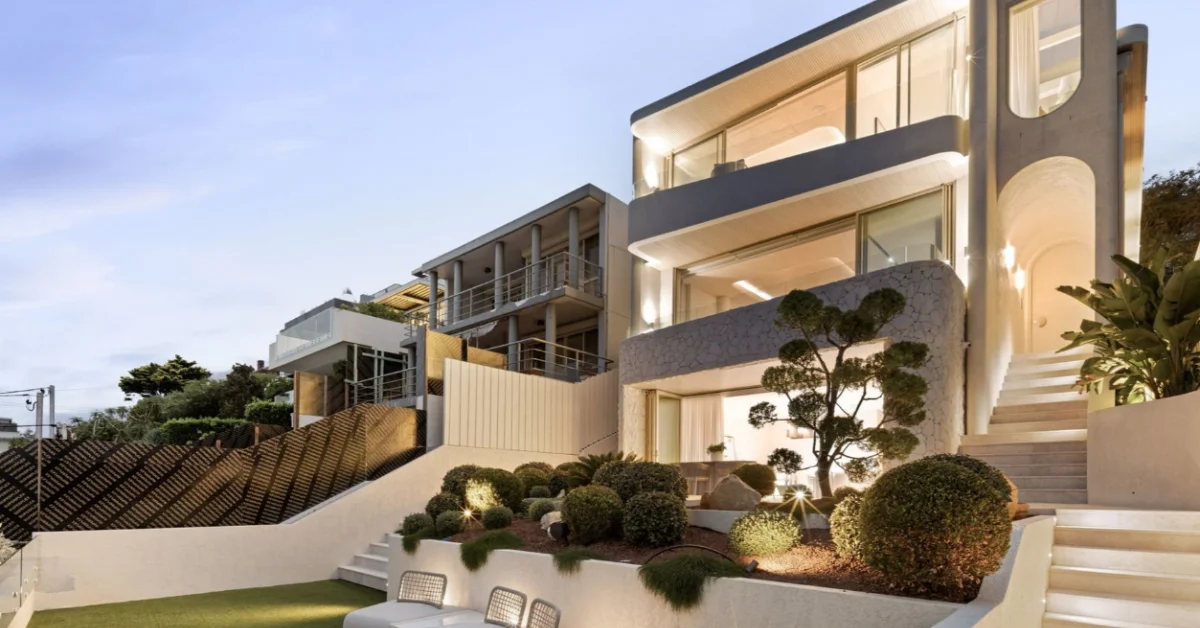
A redeveloped residence in Rose Bay has sold for about $19.5 million after a transformation carried out within its existing structure, marking a significant rise from its earlier purchase price.


A Sale That Shifted Expectations

The property at 27 Victory Street has recorded a sharply higher resale following its redevelopment, with the transaction completed ahead of its scheduled auction.

Originally purchased for $7.62 million in March 2024, the five-bedroom home was later brought back to market after being reworked by a developer. The result came in close to three times the previous sale price.

The sale was handled by Highland Double Bay and settled below its $20 million guide, but still reflected a substantial increase on the earlier transaction.

Rose Bay property
Photo Credit: Highland Property

Changes Within The Existing Footprint

The redevelopment largely retained the home’s original footprint, with upgrades focused on reworking internal and external features rather than rebuilding the structure.

Floorplan comparisons indicate that the layout remained broadly consistent, while additions such as an extra ensuite and an inground pool altered the overall offering. The home now includes five bedrooms and six bathrooms.

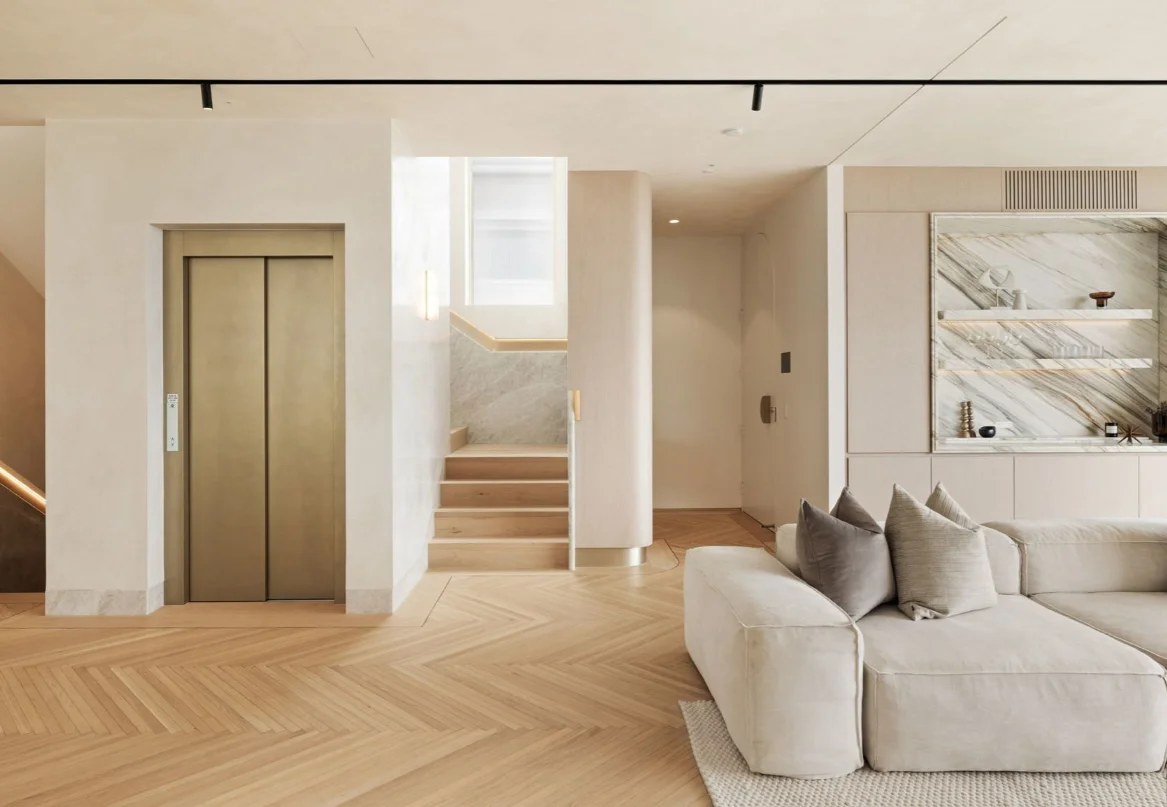
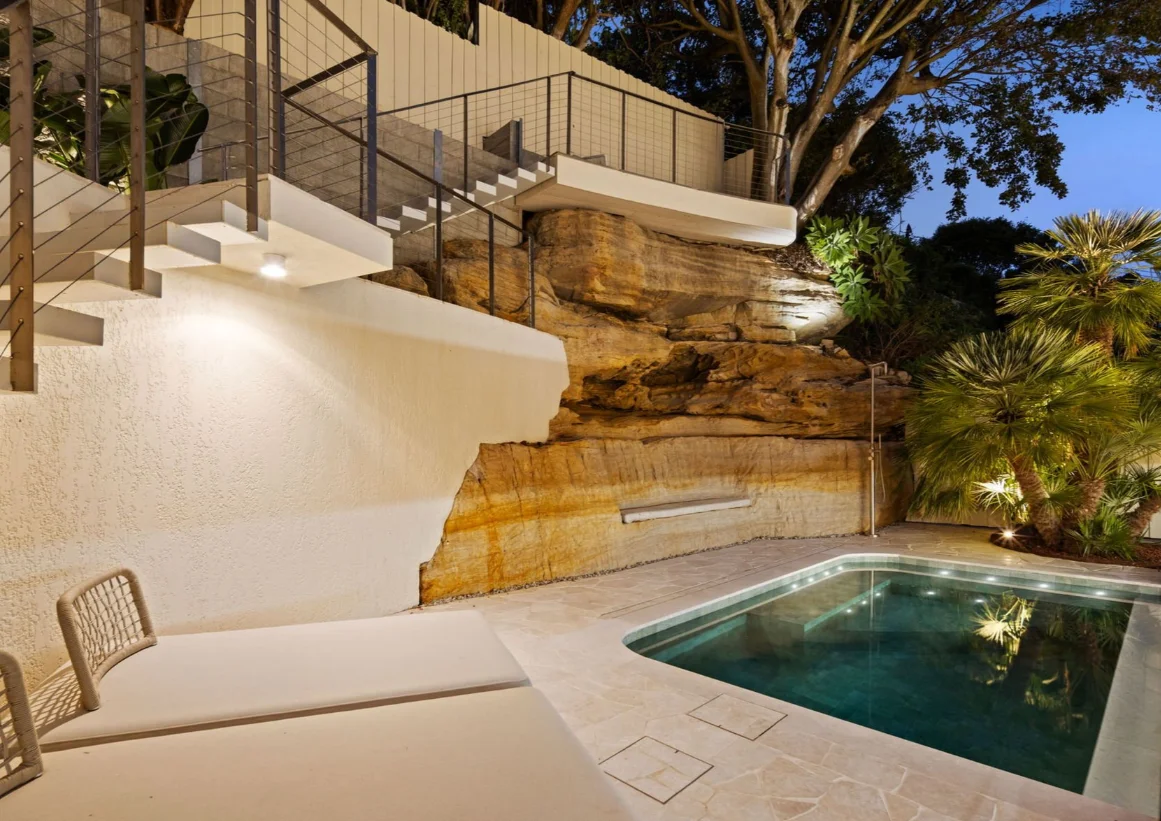
Across four levels, the residence incorporates open-plan living areas alongside alfresco spaces, a pool area, and landscaped gardens. The updated design also introduces features such as a wellness space, lift access, and integrated home systems.

Sydney real estate
Photo Credit: Highland Property

Market Conditions Provide Context

The result in Rose Bay comes amid a period where fewer homes are selling above their price guides compared to the previous year.

Despite this, the Victory Street property secured a strong outcome, with the sale finalised prior to auction. The achieved figure remained more than $500,000 below the stated guide but still represented a notable uplift from the March 2024 purchase price.

Sydney luxury homes
Photo Credit: Highland Property

Location And Property Appeal

Set within Rose Bay, the residence is positioned near local shops and coastal destinations including Bondi Beach, as well as nearby recreational facilities.


With approximately 600 square metres of living space, multiple living zones, and a combination of indoor and outdoor areas, the home reflects a large-scale residential offering shaped through redevelopment rather than complete reconstruction.

Published 10-Apr-2026

Club Rose Bay Installs 4-Metre Noise Wall Amidst Community Concerns


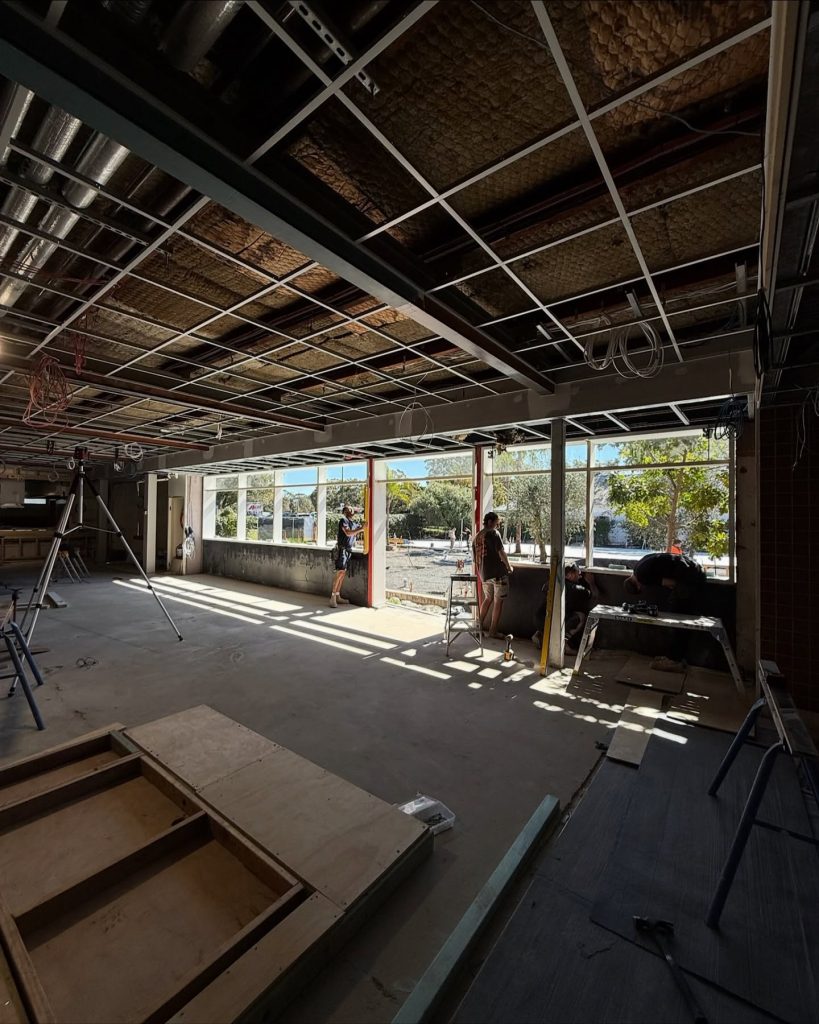
Club Rose Bay has built a 4-metre-high noise control wall around part of its outdoor area, as the revived Rose Bay venue tries to respond to community concerns about sound from late-night crowds, pickleball and basketball in the former car park space.

A Local Venue Back in Use

The former Rose Bay RSL reopened late 2025 after a major refurbishment led by Merivale. The club had served veterans and local residents for decades, and its return was seen by many as a chance to restore activity to an important local meeting place after financial strain and voluntary administration.

Renovation in 2025
Photo Credit: Club Rose Bay/Facebook

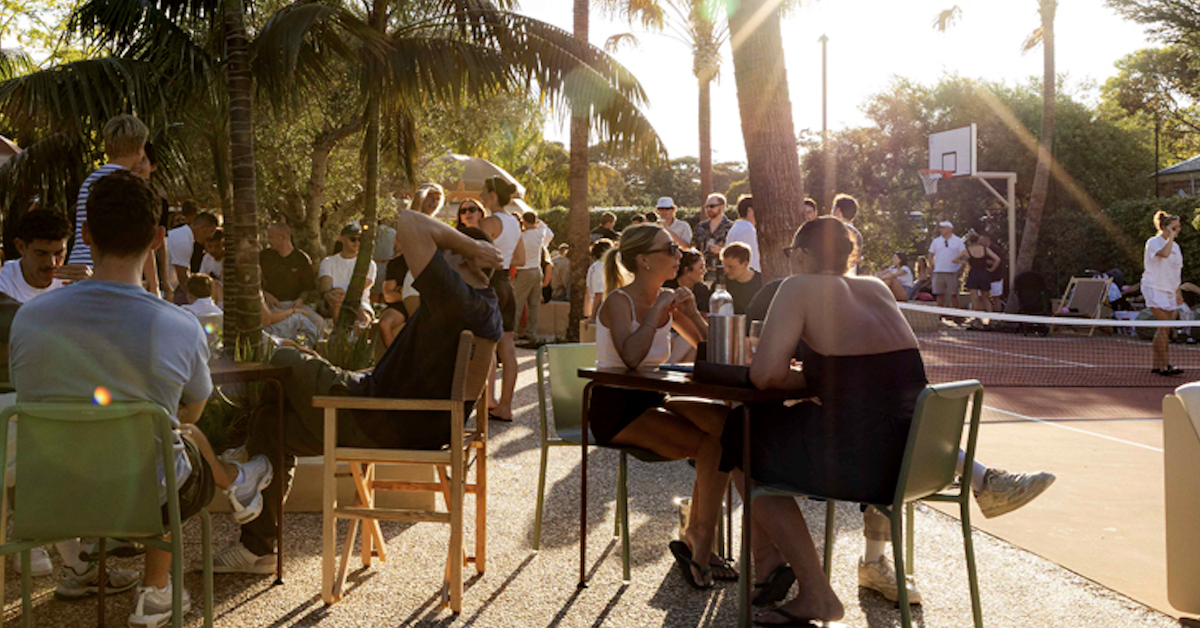
The redevelopment brought new kitchens, redesigned indoor spaces and an upgraded sports bar. Outside, the former car park was turned into a large open-air area with dining tables, drinking spaces, a full-size pickleball court, a half basketball court and an Airstream bar. The outdoor section quickly became one of the venue’s main drawcards.

Noise Becomes the Main Issue

As crowds grew, so did concern from people living nearby. Residents complained about the sound of pickleballs and basketballs carrying into the evening, along with noise from patrons using the outdoor area. Some complaints referred to activity stretching close to midnight, while police were also called to alcohol-related incidents.

The noise wall indicates that the venue aims to reduce the impact on nearby homes. Made of sound-control panels, it lines part of the outdoor area involved in the dispute.

Planning Questions Still Unresolved

While the wall addresses one part of the problem, it does not settle the planning dispute around the outdoor area.

Woollahra Council has stated that the space requires development consent before it can be used for outdoor dining and drinking. Council became aware in November 2025 that the venue planned to use the area without first obtaining that approval.

The club believed that the space could operate under an exemption in NSW planning rules but Council disagreed and later issued a formal notice requiring the venue to stop using the area for outdoor dining and drinking. The warning period expired in early February, leaving the matter open to further compliance action.

Complications and Debates

This has kept the outdoor section in a state of uncertainty. The venue continues to attract attention and trade, but the long-term future of that part of the site remains under review.

One reason the issue has become more complex is the status of the land itself. Reports have said the disputed area is on Crown land, which means the process does not sit neatly within a normal planning pathway.

Merivale has argued that this changes how approval should be handled, while Council has continued to push its own position.

With no final resolution yet announced, the venue has remained caught between community concern, pressure, and a wider review of how the site should be managed. Liquor authorities are reviewing complaints linked to the venue, adding another layer of pressure. This will have implications on the decision about the outdoor area, as it could also affect licensing issues.

The new noise wall may help ease some of the frustration felt by nearby residents, but it does not remove the larger questions hanging over the club.

Published 8-April-2026

Uber Fares Set to Rise in Rose Bay as Petrol Prices Bite

Rose Bay residents who rely on Uber to get around are about to feel a pinch at the app. The ride-share giant has announced a permanent overhaul of its fare structure across Australia, and Rose Bay is among the Sydney suburbs where passengers will be paying more — starting this week.


The change comes as fuel prices have climbed to a national average exceeding $2 per litre, driven by ongoing instability in the Middle East. Uber and rival platform DiDi are among transport and delivery companies that have introduced additional charges amid growing concern about Australia’s fuel supply. For DiDi, the response has taken the form of a temporary five-cent-per-kilometre fuel levy passed directly to drivers. Uber’s approach is different — and longer-lasting.

The new pricing model marks Uber’s first national fare overhaul since 2023 and breaks from its long-standing structure based on distance, time, and demand surges. Under the new regime, where a trip begins now determines how much riders pay.

In Sydney, customer fares have risen by an average of five per cent for UberX, XL, Comfort, Electric Assist, and Pet services. Minimum fares across Sydney have also increased, rising to $11.

Passengers in the eastern suburbs will cop higher fares for trips beginning in Rose Bay, Bellevue Hill, Bondi, Kensington, Kingsford, Coogee, and Maroubra. It is not just the east feeling the impact — suburbs on the North Shore, including Mosman, Manly, Northbridge, Chatswood, Killara, Forestville, Pymble, Wahroonga, and Hornsby, are also among those specifically flagged for higher fares. Trips beginning in the Sydney CBD and inner south — including Glebe, Redfern, Marrickville, Newtown, and Eastlakes — are also expected to attract higher charges.

Uber communicated the changes directly to drivers ahead of the rollout. In those messages, the company acknowledged that the cost of driving had increased and described the pricing shift as part of a broader effort to improve earnings.

In a statement, an Uber spokesperson said the company regularly reviews its fares to balance driver earnings with affordable options for riders, and that the updated fares would lift driver earnings by an average of six per cent across Australia. The spokesperson added that operating costs — including fuel — remained a key concern for many driver partners. Uber noted it would continue investing in initiatives such as its Uber Pro programme, which offers discounts on fuel and EV charging.

Uber declined to say whether its fare increases exceed the earnings boost being passed to drivers, or whether the restructure also benefits the company’s own bottom line.

Shorter trips will attract higher fares across the board, following years of driver complaints that the old model incentivised rejecting short rides in favour of longer, higher-earning ones. Uber says riders will still be shown an upfront fare before confirming their trip, so passengers can see the price before they commit — even if that price is now a little higher than before.


For Rose Bay locals, the message is clear: the days of that quick Uber into the city or down to Bondi Junction just got a bit more expensive — and unlike the fuel prices that triggered the change, this one is not expected to come back down.

Published 24-March-2026

Major Rose Bay Harbourside Property Hit the Market

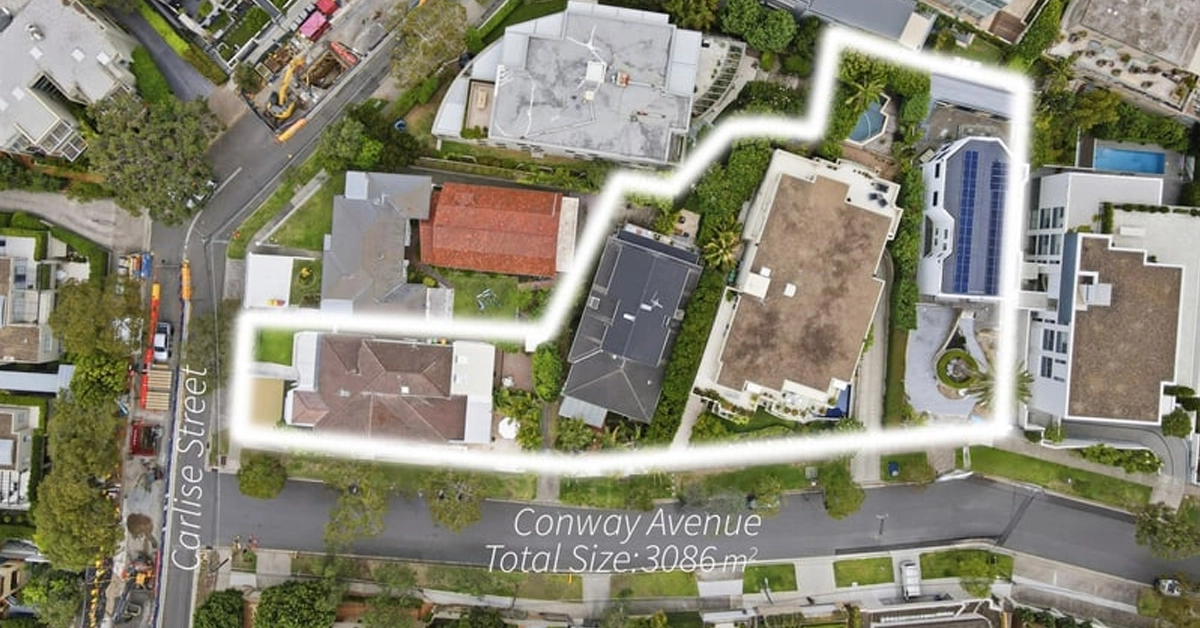
A sprawling amalgamated property spanning more than 3,000 square metres in Rose Bay has been listed for $100 million, joining a wave of large-scale development sites being marketed in the harbourside suburb.


The site combines multiple properties at 1A, 1-3, 5 Conway Avenue and 34 and 34A Carlisle Street, with agents Steven Zoellner and Fred Small from Laing & Simmons Double Bay marketing the opportunity as Rose Bay’s “Ultimate LMR Super Site.”

According to Mr Zoellner, the property’s location and potential Harbour Bridge views from upper levels are expected to attract significant interest from major development companies.

The collection includes a white three-bedroom semi with a sandstone fence at 34A Carlisle Street, sitting on the smallest parcel of 328 square metres, as well as seven apartments at 1-3 Conway Avenue that were built within the past two decades. The site also incorporates a block of four units at 1A Conway and a standalone house at 5 Conway Avenue.

All property owners agreed to sell collectively, recognising the land’s greater value to developers than as individual holdings.

The listing comes as Rose Bay emerges as a focal point for Sydney’s housing reforms. The NSW Government’s Low and Mid-Rise Housing Policy, which came into effect on 28 February 2025, introduced new planning controls to encourage more diverse housing types within 800 metres of town centres and train stations across Greater Sydney and other regions.

Under these reforms, Mr Zoellner said the Conway-Carlisle site could support an apartment building of up to eight storeys, potentially containing 60 to 70 apartments, with a portion designated as affordable housing. Another possibility includes an over-55 development, similar to projects already underway elsewhere in Rose Bay.

The property is situated near Rose Bay Village and the harbour foreshore. Across the road, Mathieson Property is planning an eight-storey building containing 70 apartments.

Rose Bay has seen several major amalgamated sites change hands since the planning reforms took effect. A 5,979-square-metre site combining 12 properties at 41-55 Dover Road and 32-38 Wilberforce Avenue sold for $173 million to aged care provider Waterbrook Retirement Living, whilst a separate amalgamation of six houses and two unit blocks at 20-30 Wilberforce Avenue and 33-37 Dover Road sold for approximately $150 million to a private buyer.

The reforms have sparked debate in the local community. Woollahra Municipal Council has requested a temporary suspension of state government reforms in the town centres of Rose Bay, Double Bay and Edgecliff, citing concerns about local infrastructure and character.


Despite the controversy, the development pipeline continues to grow. More than $200 million worth of development applications have been submitted in Rose Bay in recent months, signalling strong developer confidence in the suburb’s transformation under the new planning framework.

Published 10-March-2026

New Shared Path and Cycleway Proposed for O’Sullivan Road in Rose Bay


A stretch of O’Sullivan Road in Rose Bay could soon become safer and easier for locals to walk, run and ride, with a proposed 1.7-kilometre upgrade adding a wider shared path and a separated cycleway.


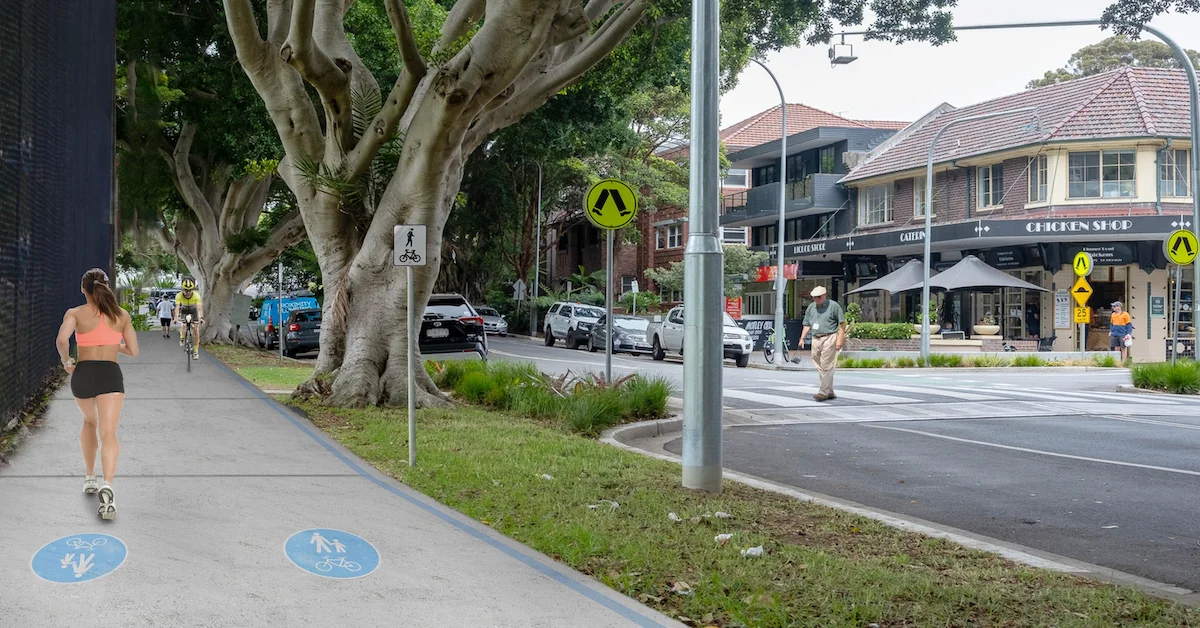
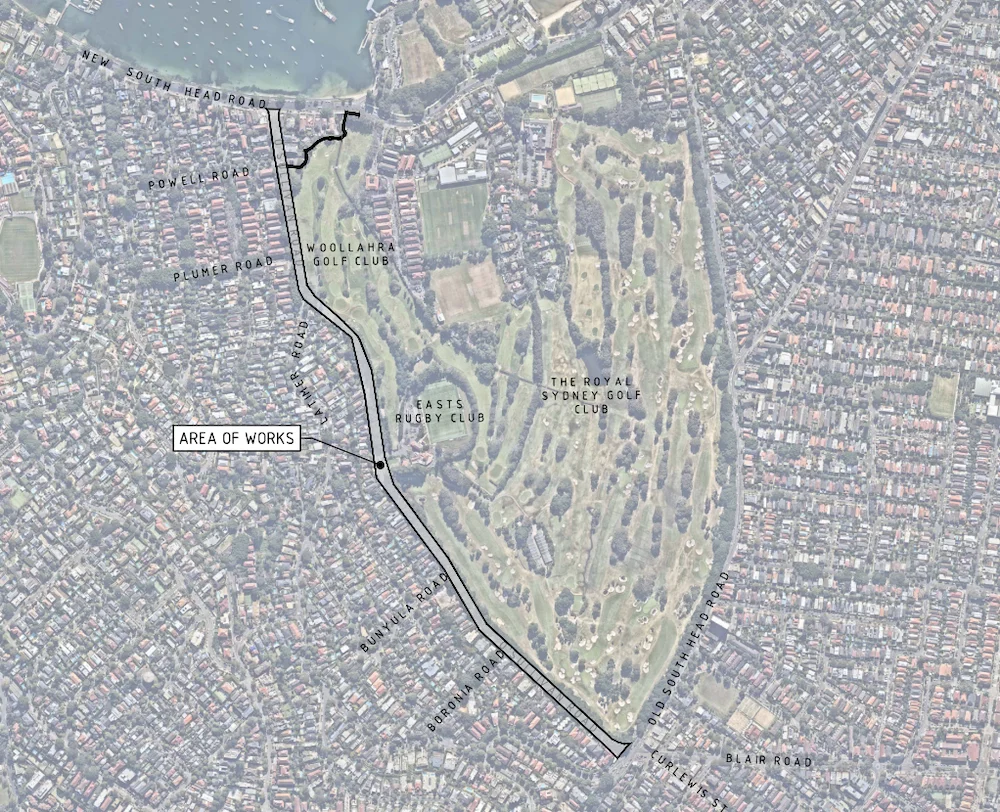
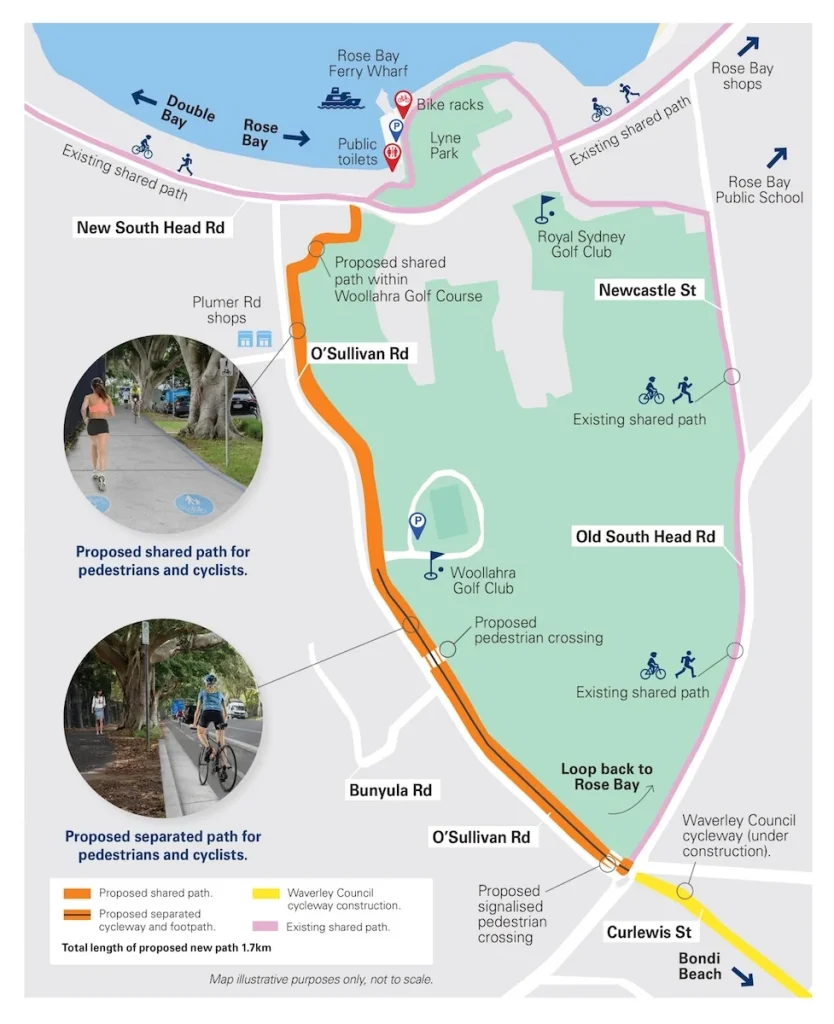
The proposed upgrade would run along O’Sullivan Road between Old South Head Road and New South Head Road, creating a mix of separated cycleway and shared path designed for people travelling on foot or by bike. 

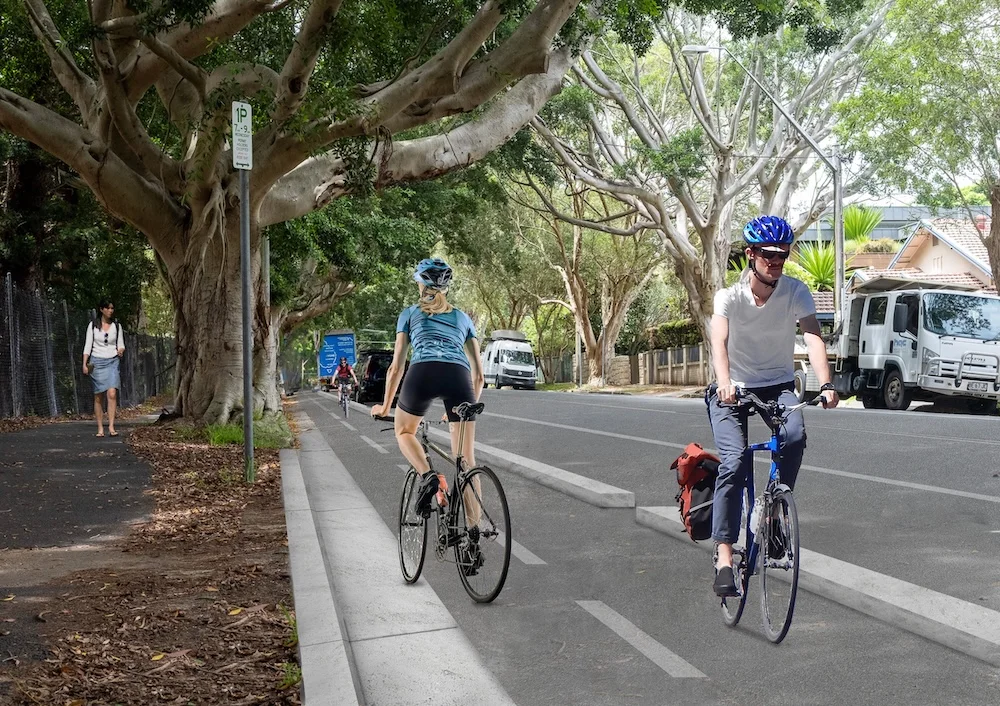
The concept design describes a total of 1.7 kilometres of new path work, made up of about 900 metres of shared path and 800 metres of separated footpath and cycleway. At its narrowest point, the shared path would be three metres wide, allowing about 1.5 metres in each direction. The separated cycleway would be about 2.4 metres wide, allowing about 1.2 metres in each direction.

Photo Credit: Your Say-Woollahra

How the Bike Route Would Be Separated

For the section with a separated cycleway and footpath, the design includes a concrete barrier, described as a concrete “lip”, between the cycleway and the parking lane. The existing nature strip and kerb would remain in place to separate the cycleway from the footpath.

Project material states the current on-road bike lane on much of O’Sullivan Road can be unsafe and hard to use when large parked vehicles, including cars, boats and trailers, encroach on the lane. The proposed mix of shared path and separated cycleway is intended to improve safety by keeping riders away from traffic lanes.

Photo Credit: Your Say-Woollahra

Two New Crossings Proposed

Two new pedestrian crossings are proposed as part of the plan, in response to local requests. A raised pedestrian crossing is proposed near Bunyula Road, close to the entrance to the Woollahra Golf Club car park. A signalised pedestrian crossing is proposed on O’Sullivan Road near the major intersection with Old South Head Road, with project material describing it as a way to complete a missing link at the intersection.

Photo Credit: Your Say-Woollahra

Connecting Parks, the Foreshore and a 4km Loop

The proposed path would connect to existing routes around the Woollahra Golf Club and Royal Sydney Golf Club, completing a loop of about four kilometres that project material says would suit walkers, runners, cyclists and other users on a relatively flat grade. The proposal also links into existing paths and shared paths, including Rose Bay Promenade and New South Head Road, and connects to open spaces such as Lyne Park and the Rose Bay foreshore.

The project is also designed to link with a new cycleway along Curlewis Street in Bondi being built by Waverley Council, which is due for completion in mid-2026. The route was identified as a priority cycling route in the Active Transport Plan adopted by Woollahra Municipal Council in 2023, following community feedback that included submissions calling for more cycleways and clearer provision for cyclists.


The consultation period is open until 11:59 p.m. on Monday, March 23, 2026, with construction proposed for late 2026 or early 2027 and expected to take about six months.

Published 6-Mar-2026

How Did a Private Pool End Up on Rose Bay Beach?

If you’ve spent any time at Rose Bay Beach, chances are you’ve done a double-take at the concrete swimming pool sitting right there on the sand. It’s a sight that has been puzzling many beachgoers for years.


Read: Rose Bay Leads Sydney’s Biggest Luxury Property Sales of 2025


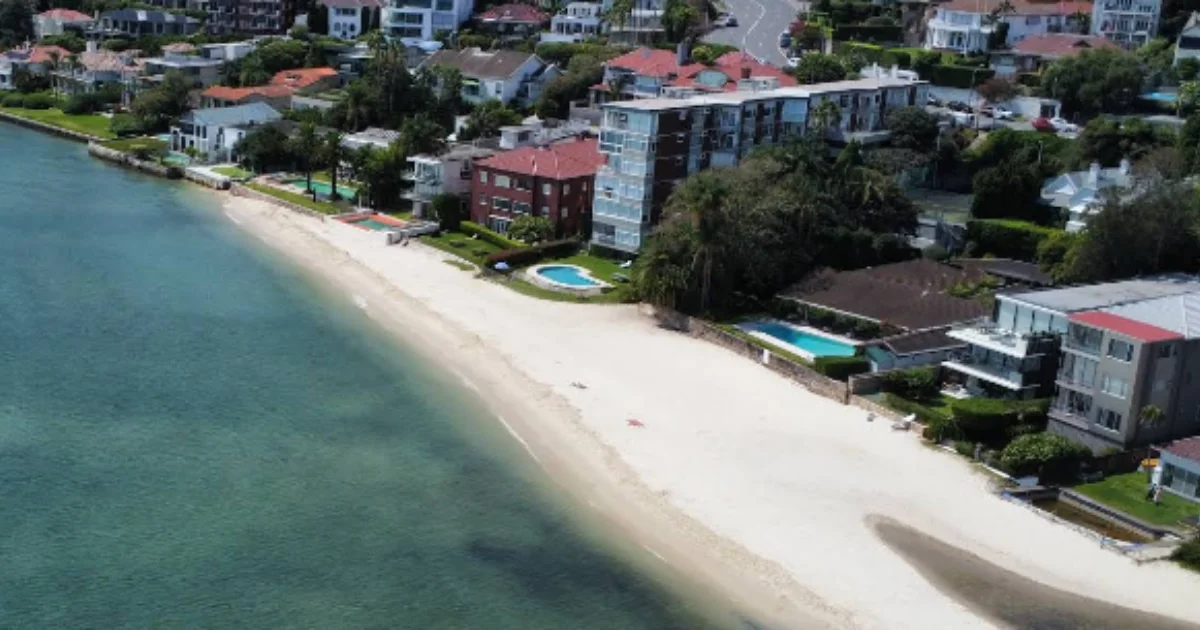
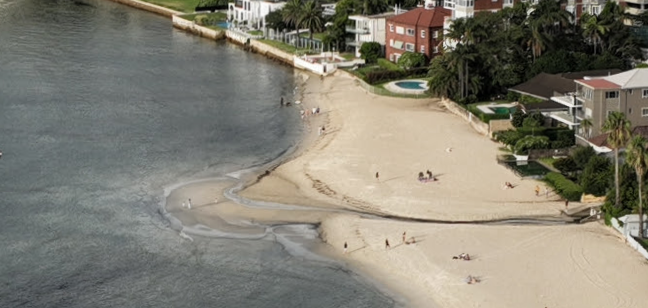
The pool, weathered, a little worse for wear, and jutting well past the boundary of the home behind it, sits on one of Sydney’s quirkiest stretches of foreshore. Rose Bay Beach, known to regulars as Paradise Beach or simply Dog Beach, is the only beach in Sydney with a concrete swimming pool sitting right on the sand. And as it turns out, it’s perfectly legal.

Photo credit: K Bediako/Google Maps

According to a Woollahra Municipal Council spokesperson, the pool falls entirely within the legal boundaries of the adjoining private property. The local authorities explained that aerial mapping confirmed all structures on the site, including the swimming pool, sit within the property lines. They also noted that the subdivision pattern along the beach is irregular, with a number of property boundaries actually extending into the beach itself.

When the land in this part of Rose Bay was subdivided, some property boundaries were drawn to extend beyond the back fence and onto the beach itself. It’s an irregular arrangement, but a legal one, similar to the rules that apply to nearby Kutty Beach where titles run all the way down to the waterline, and not unlike property arrangements found in parts of Europe.

Photo credit: Mert Karacayil/Google Maps

For most visitors, that answer is simultaneously satisfying and slightly maddening. Because of course it comes down to a property boundary drawn up at the time of subdivision.

The home is one of several along Rose Bay Beach where residences front directly onto the foreshore, the kind of address that commands tens of millions of dollars when it eventually changes hands. Having your own slice of harbour beach as a backyard extension will do that to a property’s value.

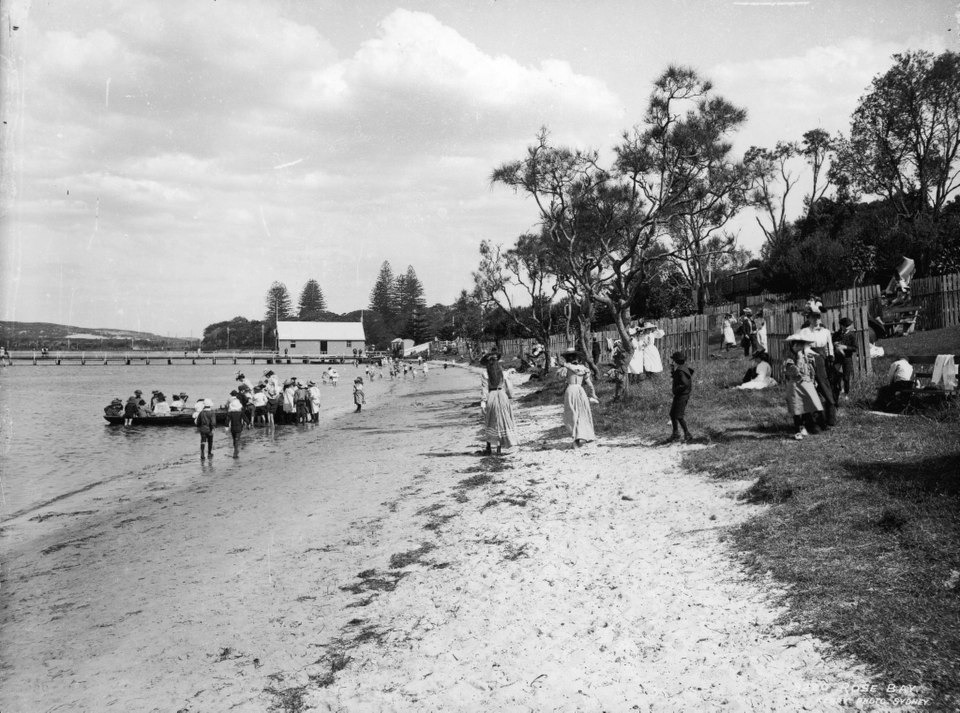
A Beach With Deep Roots

Photo credit: Public Domain/Wikimedia Commons/The Powerhouse Museum

Long before it became one of Sydney’s most sought-after stretches of foreshore, this part of the harbour had a very different name. The land now known as Rose Bay was originally called Banarung, a word from the Dharag language of the area’s First Nations people. The bay was later renamed in honour of the Right Honourable George Rose, who served as joint Secretary to the British Treasury alongside Thomas Steele, the same Steele after whom Steele Point at Nielsen Park was named.

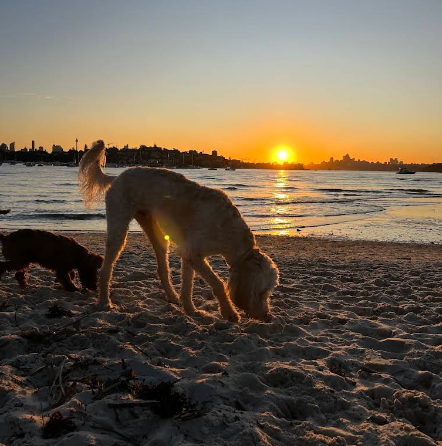
Rose Bay Beach has undergone a quiet but remarkable transformation over the past two decades. Not so long ago it was a scrappy, debris-strewn strip of sand, plagued by stormwater drains and poor access, the kind of place most Sydneysiders avoided even in peak summer. Today it draws a loyal and eclectic crowd of dog walkers, paddleboarders, kayakers, and sun-seekers, in part because of its calm, shallow harbour waters and its status as one of the few off-leash dog-friendly beaches in the area.

Part of its appeal is precisely what it isn’t. It doesn’t have the wall-to-wall crowds of Bondi. It doesn’t have the parking nightmare of Nielsen Park or the near-impossible access of Camp Cove. What it does have is a relaxed, unpretentious atmosphere and easy access to the Rose Bay shopping village and the Rose Bay Hotel. The arrival of Justin Hemmes’ Club Rose Bay has only cemented its place as a genuine destination for a full day out.

A local paddleboard and kayak hire operation adds yet another option for getting out on the harbour, making the beach genuinely appealing for all kinds of visitors.


Read: Record Sub-Penthouse Sale Sets New Benchmark in Rose Bay


Then, of course, there’s the pool. Sitting in the sun, doing absolutely nothing except confusing every single person who walks past it. It’s been doing that job for years, and based on the property laws underpinning its existence, it’s likely to keep doing it for years to come.

So next summer, when you’re lying on the sand and you hear someone nearby mutter “wait, is that a pool?” — lean over, tell them the story, and enjoy the look on their face when they realise the answer was a property boundary all along.

Published 1-March-2026

Swans Midfielder Adams Making Strong Recovery After Rose Bay Incident

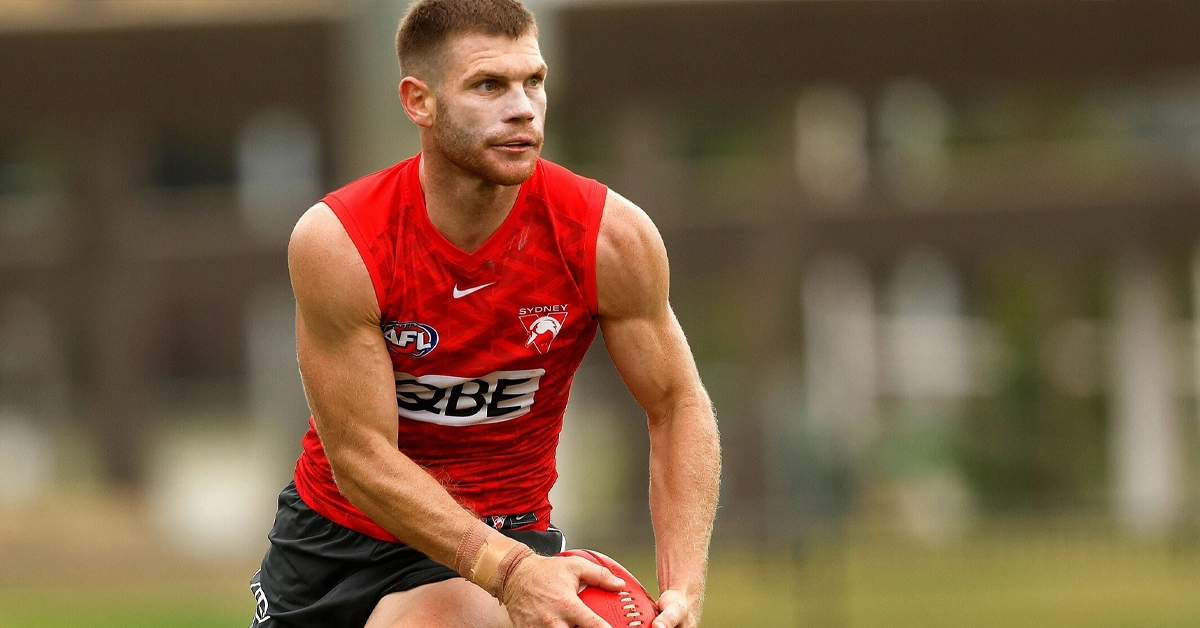
Sydney Swans midfielder Taylor Adams is progressing well in his recovery following an incident outside Club Rose Bay last month, with teammates reporting the 32-year-old is training strongly and in good spirits.


Adams was knocked unconscious and hospitalised at St Vincent’s after an altercation near the Vickery Avenue venue on 24 January. Police were called to the scene just after 10pm, where Adams had been allegedly struck during an argument with two men he did not know. The incident occurred as he was attempting to leave the area after an evening out with teammates.

According to The Nightly, NSW Police reported that Adams sustained a small cut to his cheek and briefly lost consciousness after being knocked to the ground. He was treated by paramedics at the scene before being transported to hospital, where he was released the following morning at 7am.

Star teammate Isaac Heeney, speaking at the launch of the Swans’ partnership with Nike, said the incident had been difficult for Adams and his pregnant partner Ellie, but that his friend has moved forward positively.

Heeney described the circumstances of the assault as shocking, noting it serves as a reminder to be cautious. He confirmed that Adams is nearly back to full training and praised his teammate’s work ethic, according to reporting from the source article.

Sydney CEO Matthew Pavlich told media the club has provided comprehensive support to Adams during what has been a mentally challenging period. The club released a statement at the time condemning violence and confirming they are working with NSW Police to identify the offender, according to coverage by ESPN.

The incident investigation remains ongoing, with Adams considering what further action to pursue.

Adams had already been facing a delayed start to the 2026 season after suffering a partial tear to his Achilles tendon during training in December. The former Collingwood player has now resumed modified training as he works towards an early-season return.

Swans coach Dean Cox told media in January that Adams was simply trying to go home when the incident occurred, according to reporting by AFL.com.au. Cox emphasised the club’s commitment to supporting Adams and his family through the situation.

Club Rose Bay, which is owned by Justin Hemmes’ Merivale group, recently underwent a revamp and reopened in December 2024, according to The Nightly.


The Swans are preparing for their opening round match in March, with hopes that Adams will be available for selection after working through both his physical recovery and the aftermath of the incident.

Published 12-February-2026