

Monster Jump Brings Giant Inflatable Obstacle Course and New Sports Arena to Rose Bay

Monster Jump is setting up at Rose Bay’s Lyne Park Mini Fields, bringing not only its giant inflatable obstacle course but also a brand new Monster Sports Jam arena — giving the Eastern Suburbs its own home-ground version of Sydney’s most popular school holiday attraction.


The Rose Bay site runs from 5 to 19 July 2026 at Lyne Park Mini Fields, with sessions daily from 10am to 4pm. It is the first time Monster Jump has come directly to the Eastern Suburbs, making this a school holiday option that does not require a trip across the city.

The Monster Jump obstacle course is the foundation of the event, a 280-metre inflatable playground with more than 30 challenges including climbing walls, dark tunnels, sky-high slides and bounce zones. At Rose Bay this year, the course takes on a rabbit-themed twist, adding a distinct flavour to the iconic purple monster mouth entrance that regular Monster Jump fans will already know.

The sports jam arena adds something new

What makes the Rose Bay location distinct is the addition of Monster Sports Jam, an adrenaline-fuelled second arena featuring basketball shootouts, medieval jousting and a wrecking ball zone, among other sporting challenges. It is a genuinely fun add-on for families with competitive kids, or for parents who want to have a crack themselves.

Two-hour session ticket options at Rose Bay cover a range of combinations. An Obstacle Course Only Pass for ages five and over costs $30, while Full Access combining the obstacle course and Monster Sports Jam is $40. Toddler passes for children under five are $45 for the course only and $55 for full access, with one parent or carer included in both cases.

Children under five must be accompanied by an adult on the course at all times. The All Day Super Pass, which covers both the obstacle course and Monster Sports Jam for the entire day, is $60.

Spectators enter free of charge.

Planning your visit to Lyne Park

Socks are compulsory on the inflatables. Shoes and bare feet are not permitted on the course, but if you forget socks you can buy a pair at the gate. Comfortable clothes, sunscreen and a water bottle round out the packing list. Cabanas are also available to hire as a shaded base for the day, seating up to six people, with sessions aligned to the 10am–midday, 12:10pm–2pm and 2:10pm–4pm blocks. 

Photo Credit: Monster Jump

Sessions sell out regularly in advance, so online booking at monsterjump.com.au/sydneyrosebay is the safest approach. Tickets are available at the gate on the day subject to availability, but there are no guarantees once sessions fill.

Monster Jump operates through light rain but may pause or close during heavy weather or high winds. The Monster Jump Facebook page posts cancellation or delay updates by 9am each morning if wild weather impacts the day. 

For tickets and full session times, visit monsterjump.com.au or contact info@ofa.net.au for booking changes or queries. 


Published 25-June-2026
Rose Bay Apartment With No Parking Sells For $1.3 Million

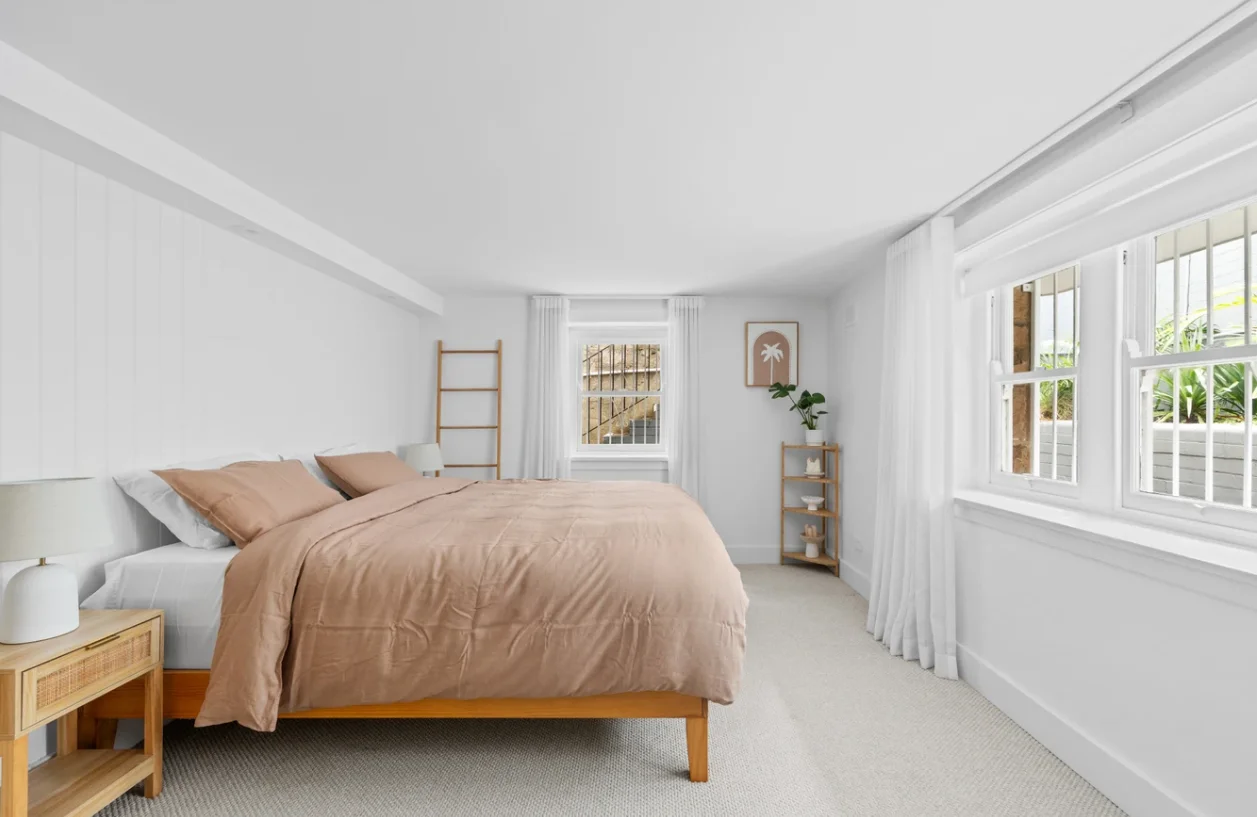
A below-street-level Rose Bay apartment with no parking, limited natural light and no windows in its main living areas has sold for $1.3 million, after a renovation helped reposition the unusual property in one of Sydney’s most sought-after suburbs.


Unusual Rose Bay Sale Draws Attention

The two-bedroom apartment at 4/1A Caledonian Road sold at auction for $1.3 million, above the expected range of about $1.1 million to $1.2 million.

The result stood out because the home came with several clear drawbacks. It had no parking, sat below street level and had no windows in the living room, kitchen or dining area. Despite those limitations, the final sale price was about $100,000 above the guide.

Ray White Eastern Beaches handled the sale, with the listing showing the property sold on 18 Apr 2026. The apartment had two bedrooms, one bathroom and 91 square metres of internal living space.

Caledonian Road Rose Bay
Photo Credit: Ray White Eastern Beaches

Former Recreation Room Became A Renovated Home

The Rose Bay property was originally used as a billiards and recreation room when the building was first constructed. It was later converted into an apartment and bought by the vendors as a one-bedroom property in October 2023 for $785,000.

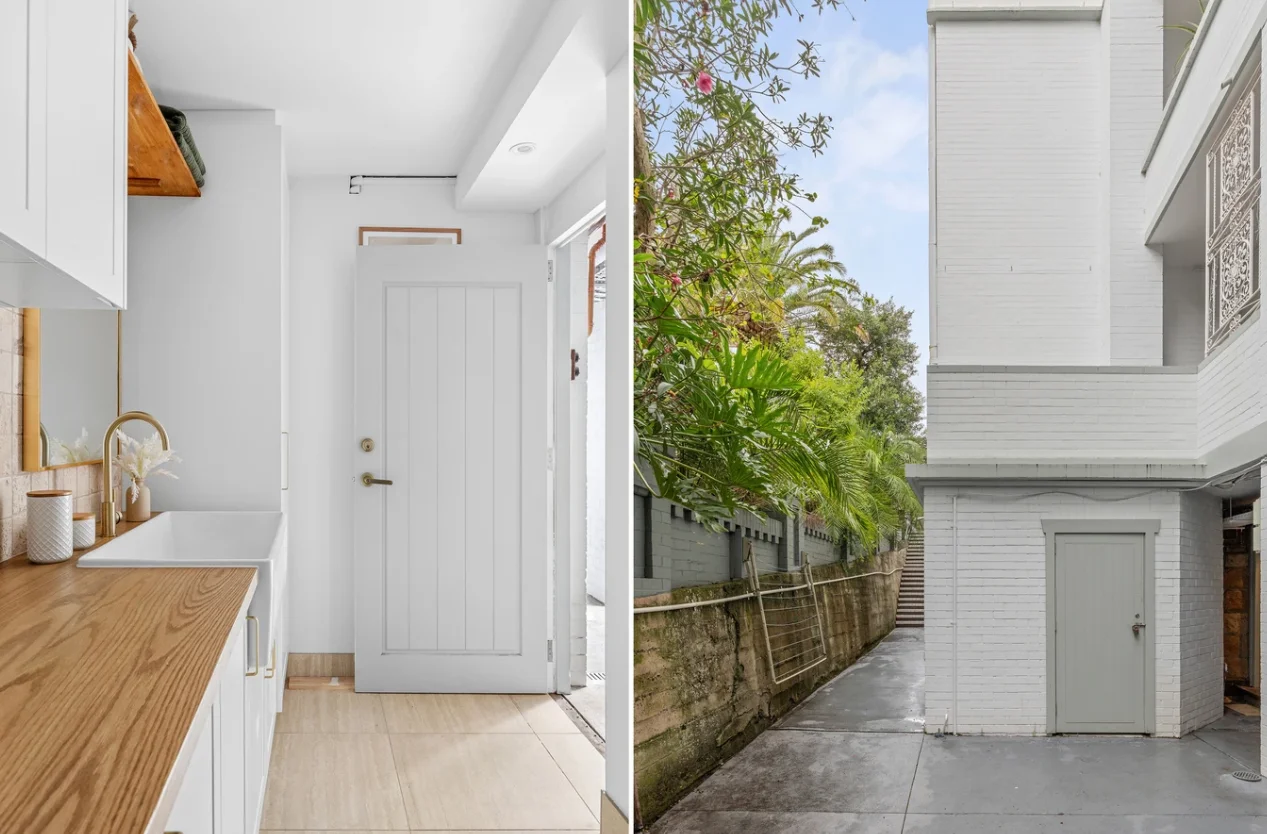
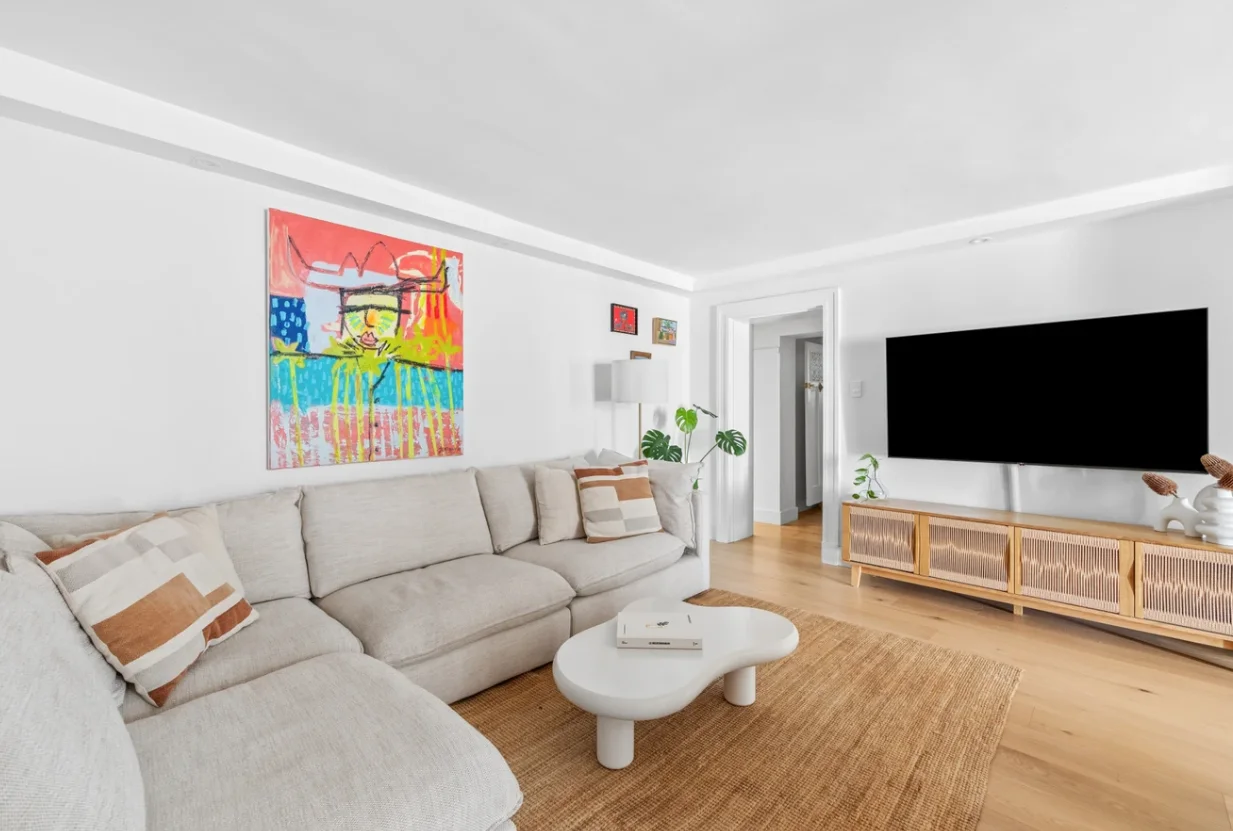
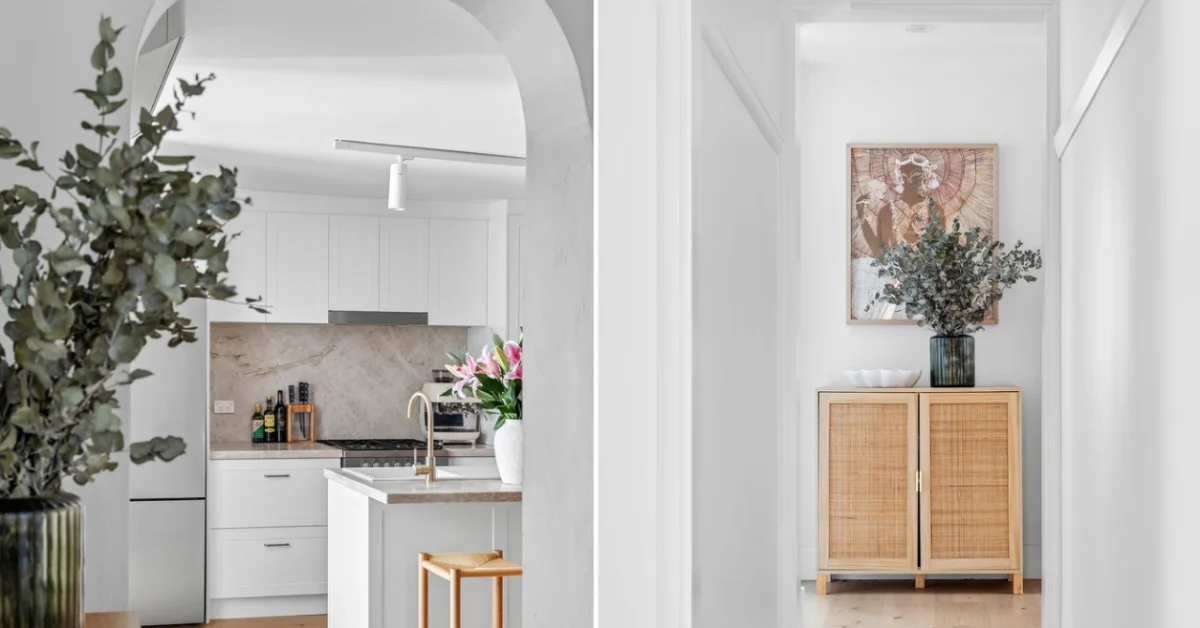
The owners then spent $80,000 on renovations before the home returned to the sale campaign as a two-bedroom apartment. The finished residence was presented with refreshed interiors, an open living and dining area, a kitchen with an island bench, built-in wardrobes in both bedrooms, a renovated bathroom, internal laundry, air conditioning and added storage.

It also had front and rear access, a separate study area and private entry, giving the below-street-level home a more flexible layout than its original use suggested.

Rose Bay property
Photo Credit: Ray White Eastern Beaches

Location Helped Offset The Trade-Offs

While the apartment lacked features such as parking, balcony access and strong natural light, its Rose Bay position remained central to its appeal.

The property was promoted as being close to local shops, cafés, harbour beaches and transport, including the Rose Bay Ferry Terminal. Its location near everyday amenities helped frame it as a move-in-ready home in a tightly held coastal pocket.

The sale also reflected a preference among some first home buyers for completed properties rather than homes needing further work. High renovation costs and cost-of-living pressure were identified as factors making buyers more cautious about taking on major upgrades after purchase.

Ray White Eastern Beaches
Photo Credit: Ray White Eastern Beaches

Finished Condition Proved Important

The sale of 4/1A Caledonian Road shows how presentation can influence buyer interest when a property has clear compromises. The apartment did not offer every feature commonly expected in a two-bedroom home, but it did offer a renovated interior, usable space and a Rose Bay address.

For the vendors, the $1.3 million result marked a sharp rise from the $785,000 purchase price recorded in October 2023, before allowing for the $80,000 renovation and any other costs.


For buyers, the result underlined the trade-offs often involved in sought-after Sydney locations. In this case, a below-street-level apartment with no parking and limited natural light still attracted a seven-figure sale once renovation, size and location were brought together.

Published 6-May-2026

The Ship That Built a Navy: Rose Bay’s Tingira Memorial Park and the Story Behind It

Tucked along the Rose Bay foreshore on New South Head Road, Tingira Memorial Park commemorates one of the most formative chapters in Australian naval history, honouring the training ship Tingira that moored in these waters from 1912 to 1927 and shaped the earliest generation of Royal Australian Navy sailors.


The park sits at the eastern corner of Vickery Avenue, where the harbour opens out toward the Heads, and it remains one of the few physical reminders of a vessel that trained more than 3,000 young men for naval service, including those who would go on to serve in the First World War.

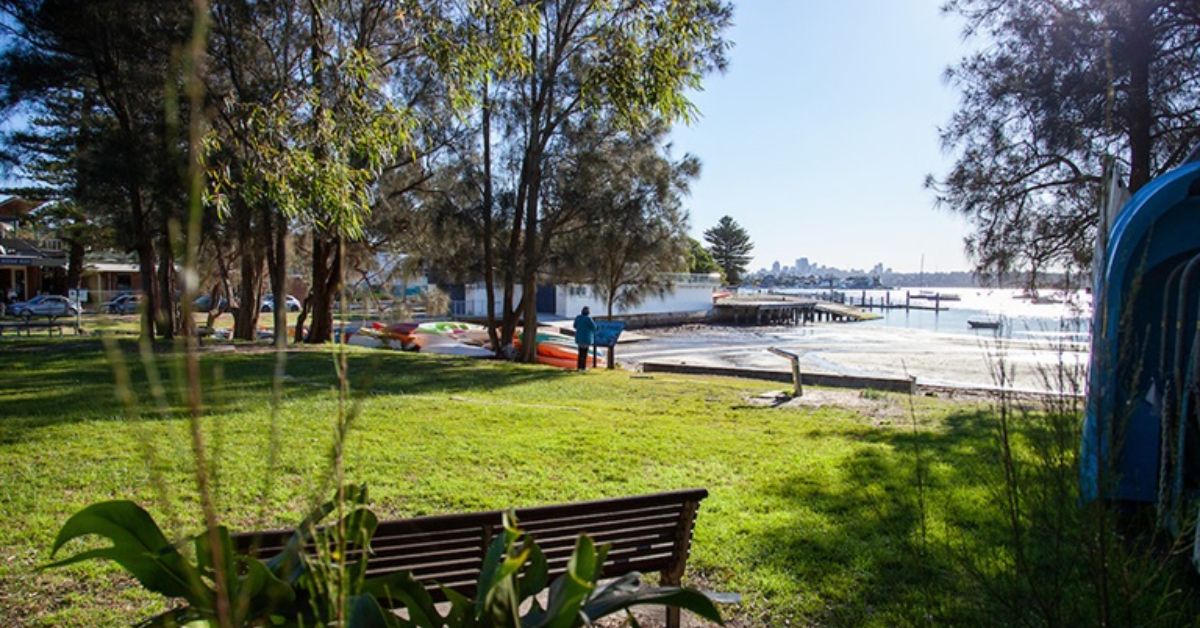
For Rose Bay residents, the park is a quiet foreshore reserve with harbour views and beach access. For anyone who knows its history, it carries a significance far beyond its modest size.

From Aberdeen to Rose Bay: A Ship With Three Lives

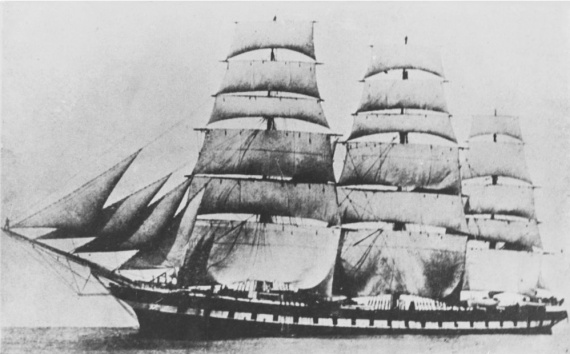
The story of Tingira begins not in Sydney but in Aberdeen, Scotland, where Alexander Hall and Sons launched the vessel in 1866 under the name Sobraon. Built as the largest composite-hull sailing ship ever constructed, with a teak hull over an iron frame and more than two acres of sail under full canvas, Sobraon was designed for speed and capacity on the England-to-Australia migration route. She carried up to 90 first-class passengers per voyage, offered daily fresh milk from onboard livestock, and could reach 16 knots, making her one of the more sought-after ships on the run for the 25 years she worked it.

HMAS Tingira
HMAS Tingira. Photo Credit: Sea Power Centre Australia

When Sobraon retired from passenger service in 1891, the New South Wales colonial government purchased her and moored her off Cockatoo Island as a reformatory ship for troubled boys, training more than 4,000 of them in maritime skills over two decades. Then, in 1911, the newly formed federal government acquired her for a purpose that would define her legacy.

She was refitted, repainted white with yellow masts, and commissioned into the Royal Australian Navy as HMAS Tingira on 25 April 1912, an Anzac Day date that now carries its own layer of meaning. Tingira is an Aboriginal word for “open sea.”

The Cradle of the RAN

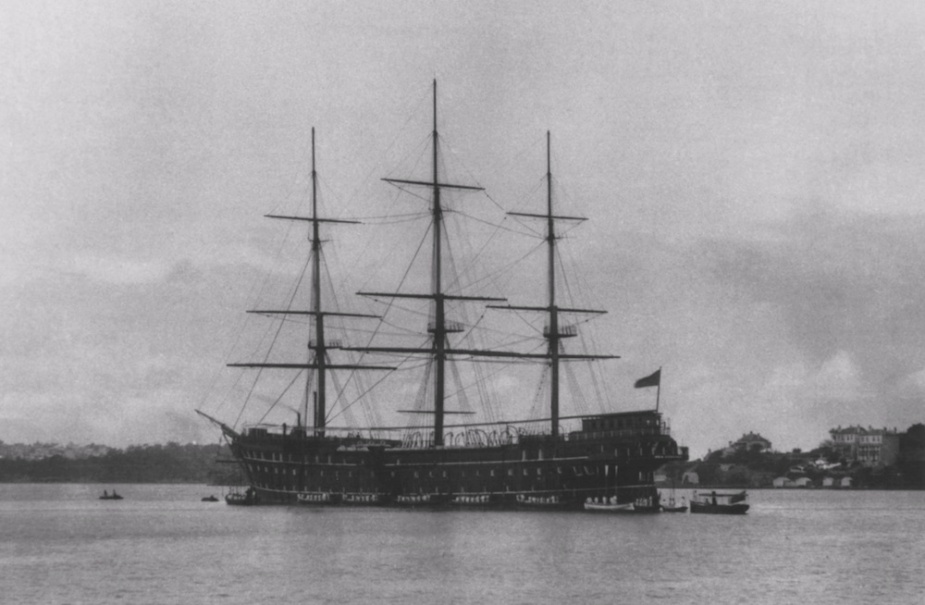
Naval historians have long referred to Tingira as the Cradle of the Royal Australian Navy, and with good reason. Moored on a swinging anchor in the middle of Rose Bay, she served as the Navy’s primary training vessel for boys aged 14 and a half to 16 under the Department of the Navy’s boy enlistment scheme. Up to 250 trainees could be accommodated at any one time, though the complement rarely exceeded 200. Between her commissioning and decommissioning in 1927, Tingira trained 3,158 young men for naval service, many of whom saw active duty during the First World War.

HMAS Tingira. Photo Credit: Sea Power Centre Australia

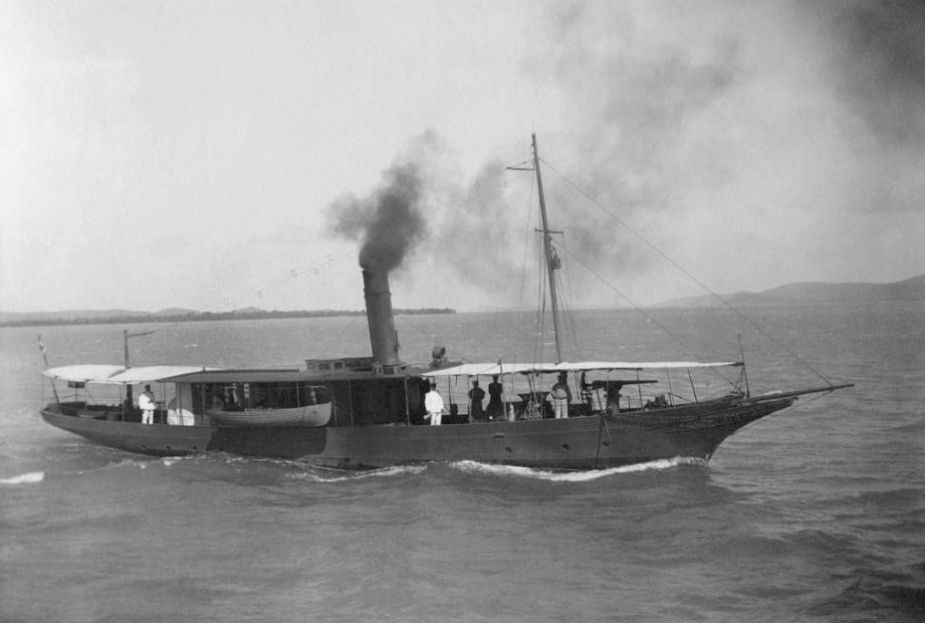
Because the ship itself was permanently moored, a steam yacht tender, HMAS Sleuth, was attached to provide trainees with actual seagoing experience. The combination of classroom and on-water instruction aboard the two vessels gave the RAN a structured pathway for producing capable lower deck sailors during the years when Australia’s naval identity was still being formed.

HMAS Sleuth. Photo Credit: Sea Power Centre Australia

Tingira was paid off in June 1927 when the Navy changed its recruiting arrangements and the ship became surplus to requirements. She spent years deteriorating in Berry’s Bay, was sold to a private owner who died before putting her to any use, and eventually passed into the hands of those who tried and failed to preserve her as a national relic. Shipbreakers dismantled the vessel in 1941, salvaging her valuable teak and brass for the war effort before disposing of the remaining hull. 

A Park That Keeps the Memory Afloat

The memorial park that now bears her name was established in two stages, the first in 1962 and the second completed in 1977, by which point the Tingira Old Boys Association had worked with local authorities to formalise the tribute. A refurbishment in 2004, funded jointly by the Australian Department of Veterans’ Affairs, the Woollahra municipal authority and the Rose Bay RSL Club and Sub-Branch, brought the park to its current form, designed by Jane Irwin Landscape Architects in association with McGregor Westlake Architects.

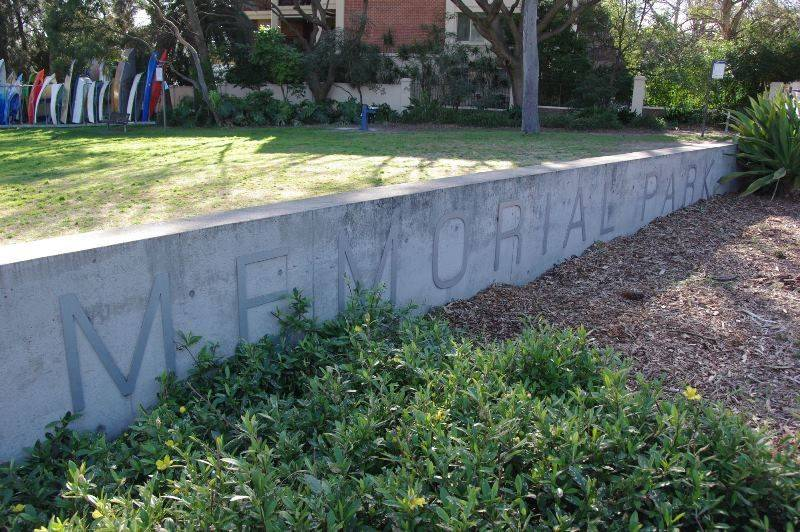
Photo Credit: Monument Australia

The redesign opened up harbour views framed by existing casuarina stands at the water’s edge and installed a low wall with metal lettering and display panels carrying the ship’s history and plaques honouring trainees.

The park’s connection to Anzac Day runs deeper than most visitors realise. Tingira was commissioned on 25 April 1912, the very date that would, three years later, become etched into Australian memory at Gallipoli. Many of the young men she trained in those early years went on to serve in the war that followed. For communities across the Eastern Suburbs who mark Anzac Day each April, the park on the Rose Bay foreshore is a place where that connection becomes tangible.

Visiting Tingira Memorial Park

Tingira Memorial Park sits on New South Head Road in Rose Bay, with direct access to Rose Bay beach and a foreshore walk that continues east along the harbour. Full details on the park and its facilities are available here.


Published 17-April-2026

Anzac Unease Grows in Rose Bay as Veterans Question Club Revamp


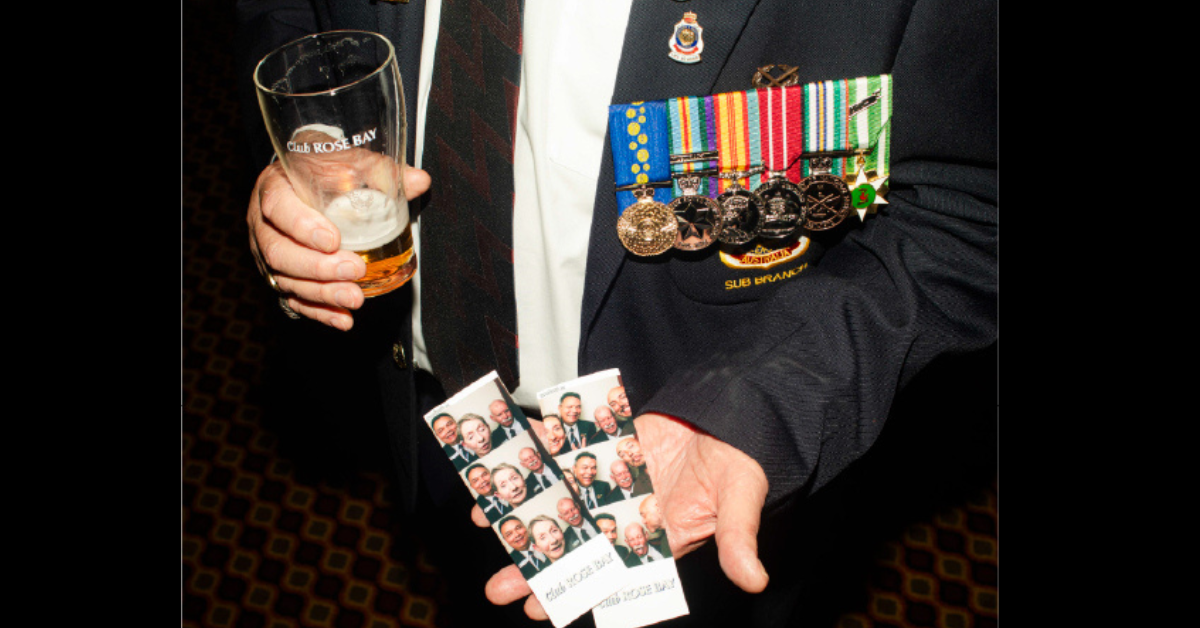
Club Rose Bay was once relied on by veterans and older locals for a drink, a catch-up and Anzac commemorations, but it has become the centre of disagreement within the community, with long-time members saying the revamped venue no longer feels built for the people it was meant to serve. 


The dispute has flared in the lead-up to Anzac Day, when Rose Bay’s RSL sub-Branch is preparing its annual service and community gathering. On its own public schedule, the sub-Branch lists an ANZAC Sunday Service for April 19, 2026, while Merivale is promoting Anzac Day trading and two-up at Club Rose Bay on April 25. 

Photo Credit: Merivale/Club Rose Bay

The overlap has sharpened a local question: can the new-look venue still meet the expectations many veterans and older members have of an RSL at the most important time of the year? 

Rose Bay’s Anzac Focus Meets a New Club Identity

Club Rose Bay was brought back from administration after members voted 147 to one in January 2025 to proceed with a Merivale management deal. Reports at the time described the club as being under major financial strain, with the site having closed in 2024 before the rescue package was backed by members. The vote gave Merivale, led by Justin Hemmes, control of food and beverage operations, while the club itself continued as a registered club. 

Since then, the venue has been repositioned as Club Rose Bay and reopened after a year-long refurbishment in December 2025. Merivale and design coverage around the reopening described a broad remake of the site, presenting it as a renewed local destination with hospitality, outdoor trading and updated social spaces. Lifestyle coverage also cast the project as the venue’s biggest refresh in decades. 

This fresh start has not landed the same way with everyone. The central complaint from critics is not simply that the club looks different, but that its role in community life has shifted. Veterans and older members argued the atmosphere now feels more suited to younger patrons arriving for food, drinks and entertainment than to ex-service people wanting the familiar club culture associated with an RSL, especially ahead of Anzac Day. 

A Club Saved for Some, But Harder to Use for Others

The strongest concern is practical as much as symbolic. The loss of the car park and the move toward a busier outdoor venue had made the site harder for older patrons to use. Old-time patrons pointed to parking pressure, access issues and long waits for service as signs the club’s daily rhythm had changed. 

For older veterans, it’s more than just comfort. Rose Bay RSL describes its Anzac service as one of the most significant events organized by the sub-Branch each year. This means that concerns about queues, noise, access, and crowd mix are not just practical issues. These concerns reflect a belief that a place linked to service and memory is changing too quickly for them to keep up with.

Supporters of the revamp make a different case. Their argument begins with the fact that the club was in serious trouble before the Merivale deal. Seen through that lens, the new Club Rose Bay is not a takeover of a healthy institution but an attempt to stop one from failing. 

The debate around Club Rose Bay is no longer just about outdoor trading, crowd noise or planning rules. At the centre of that divide is a simple question: who is the club really for? 


Published 16-April-2026

$150-million Rose Bay Sale Marks a Turning Point for Sydney’s East

An amalgamated Rose Bay site has changed hands in a deal worth about $150 million, in what Raine & Horne describes as one of Australia’s biggest residential property transactions. 


The sale, negotiated by Raine & Horne’s Double Bay office, combines multiple neighbouring properties in Rose Bay and could significantly change how this part of the suburb is used in future.

A major deal for the eastern suburbs

The landmark site, spanning about 3,000 square metres across 33–37 Dover Road and 2–30 Wilberforce Avenue, includes five houses and two unit blocks. The site’s zoning allows for a six-storey building with a 22-metre height limit, making it a significant redevelopment opportunity in Sydney’s eastern suburbs.

The deal was led by agent Alex Lyons and his team at Raine & Horne Double Bay, who handled the sale of the amalgamated Rose Bay site. The buyer has not been officially confirmed, but industry sources allege it is Graeme Skerritt, owner of Pathways Aged Care, and that he is reportedly planning a luxury aged-care facility on the 3,000-square-metre site.

What this means for the Rose Bay community

For Rose Bay residents, the sale is about more than the headline price, as it is likely to influence how this pocket of the suburb is redeveloped. The site sits within Rose Bay’s harbourside area, which is known for its village-style shopping strips, nearby schools and proximity to the CBD. 

Any future plans for the block are expected to draw close attention from local residents, given the size and location of the property.


High-value sites with flexible planning potential are typically sought after in lifestyle-rich suburbs like Rose Bay, and this transaction appears to fit that pattern. Agents say the sale reflects strong demand for prestige landholdings in Sydney’s east, even as the broader housing market moves through different cycles.

Published 4-Nov-2025