


A Kambala student from Rose Bay has been recognised for her scientific research in this year’s Young Scientist Awards, joining other eastern Sydney students acknowledged for innovative work across multiple fields.
Kambala Representation At The Young Scientist Awards
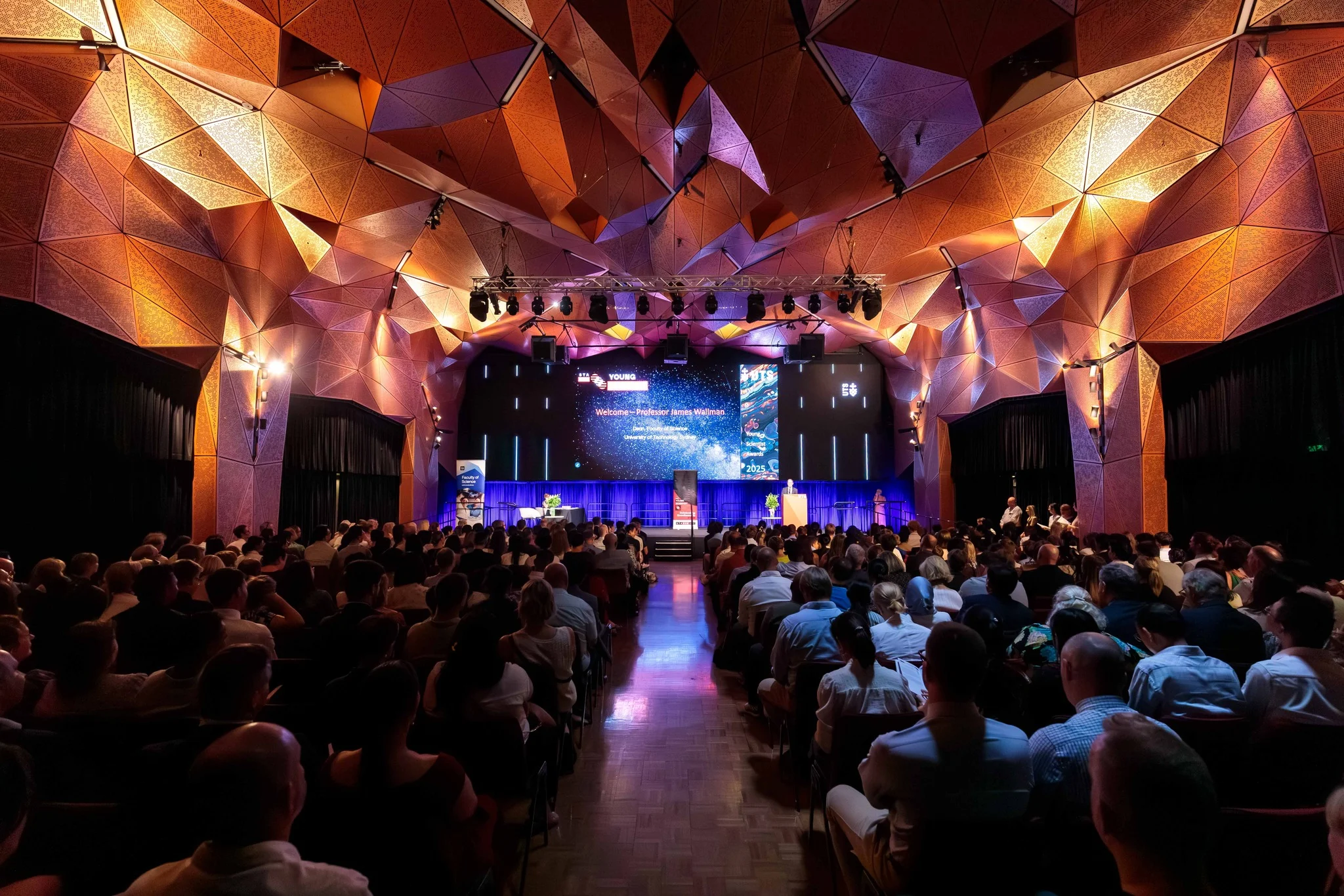
Fourteen-year-old Kambala student Karin Iwano earned recognition in the 2025 competition, which is presented annually by the Science Teachers’ Association of NSW. Her project explored practical ways to measure soil acidity using liquefied red cabbage, creating a biodegradable method that produces clear visual results.
The awards drew more than 500 entries from students across New South Wales.
Karin’s Chemistry Investigation
Karin also placed third in the Scientific Investigations – Chemistry (Years 7–8) division for a quantitative study into the effect of vitamin C powder mass on peak wavelength absorbance readings.
Using red cabbage extract as a natural pH indicator, she recorded colour changes through spectrophotometer readings. Her findings linked these shifts to structural behaviour in anthocyanin molecules.
Kambala’s Educational Environment
Kambala, located in Rose Bay, describes its approach as one that encourages curiosity, ambition and independent thinking among students. The school’s philosophy emphasises supporting girls to pursue challenges both inside and outside the classroom.
Other Eastern Sydney Representation
The eastern suburbs were also represented by Dover Heights student Congjing Zhu, whose project examined UV resistance in parsley plants with the aim of supporting development of plant-based, environmentally safer sunscreen ingredients.
Statewide Award Results
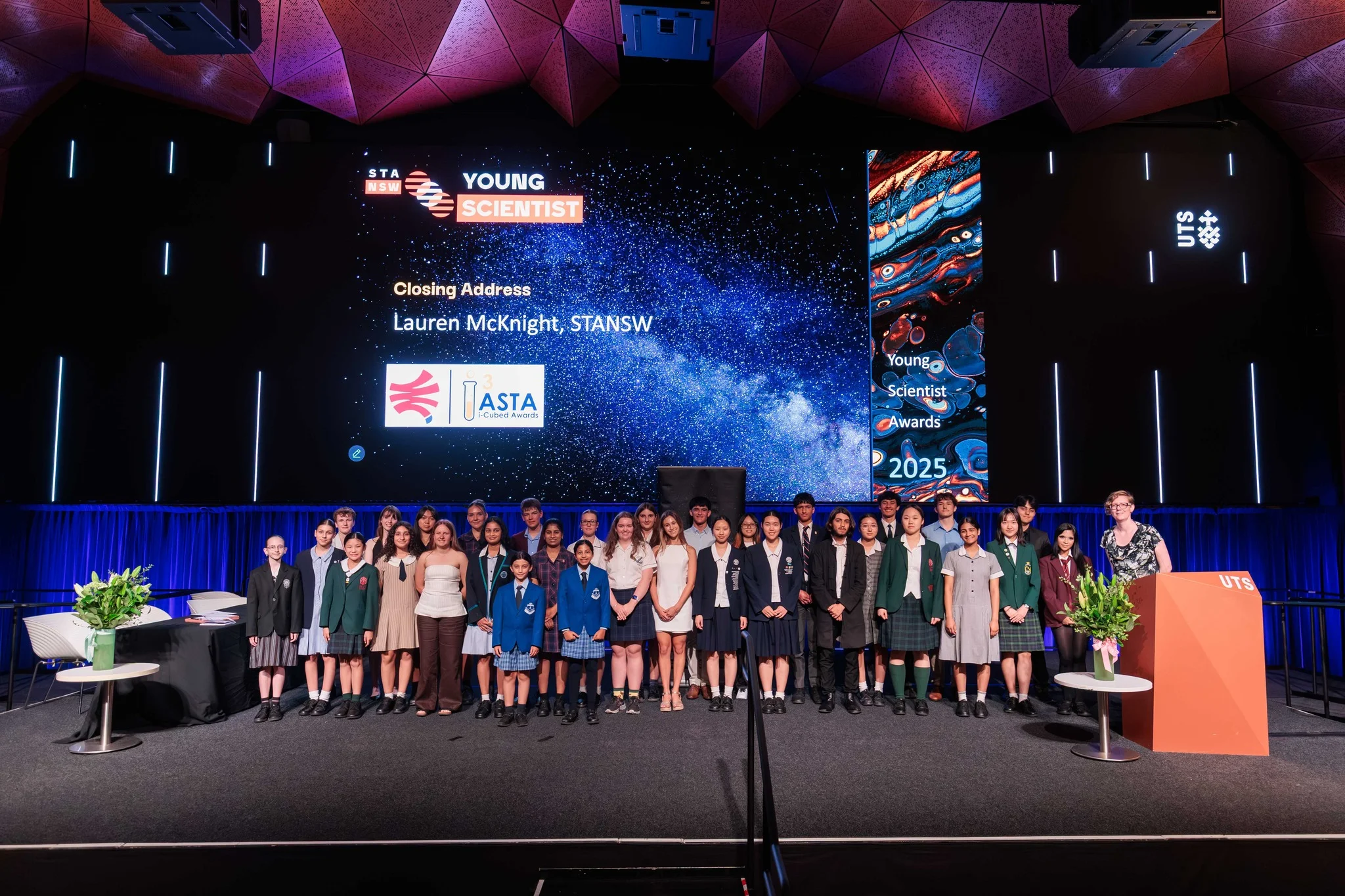
The overall Young Scientist of the Year title went to Michaela Loukas of Marist Catholic College Penshurst. Equal runners-up included students from Barrenjoey High School and Lambton High School, while rural and primary divisions also saw multiple winners across the state.
Program Purpose And Next Steps
The Young Scientist Awards have been run since 1992 to encourage students to investigate scientific questions and develop evidence-based solutions. Selected students from the 2025 cohort will proceed to represent New South Wales at the national iCubed Awards.
Published 2-Dec-2025