


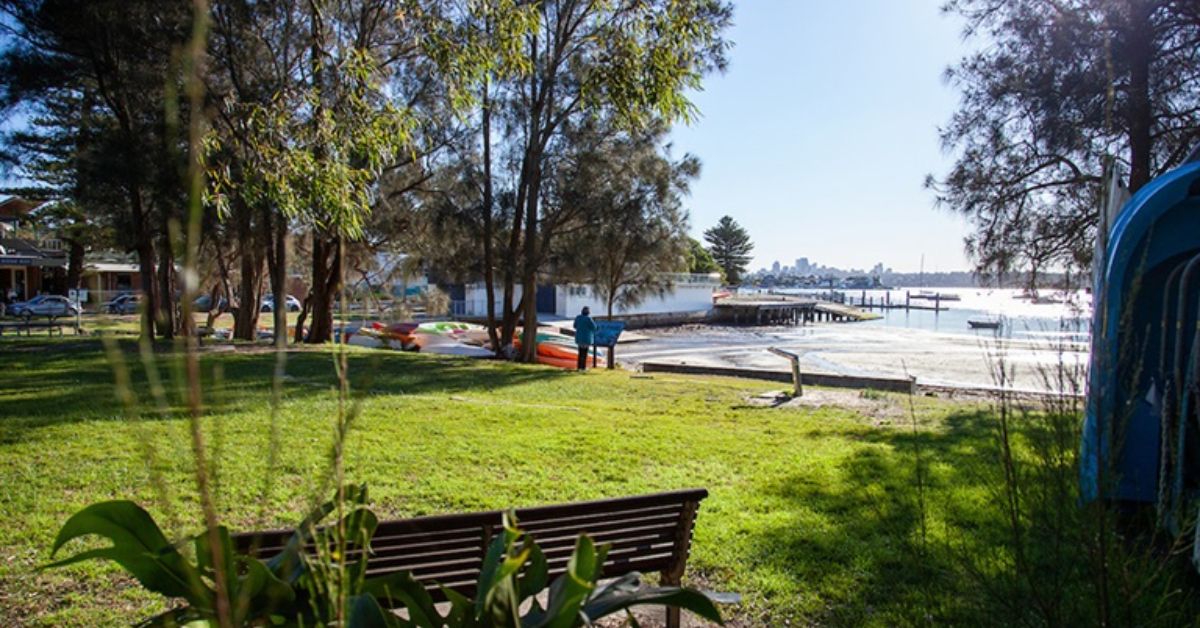
Tucked along the Rose Bay foreshore on New South Head Road, Tingira Memorial Park commemorates one of the most formative chapters in Australian naval history, honouring the training ship Tingira that moored in these waters from 1912 to 1927 and shaped the earliest generation of Royal Australian Navy sailors.
The park sits at the eastern corner of Vickery Avenue, where the harbour opens out toward the Heads, and it remains one of the few physical reminders of a vessel that trained more than 3,000 young men for naval service, including those who would go on to serve in the First World War.
For Rose Bay residents, the park is a quiet foreshore reserve with harbour views and beach access. For anyone who knows its history, it carries a significance far beyond its modest size.

From Aberdeen to Rose Bay: A Ship With Three Lives
The story of Tingira begins not in Sydney but in Aberdeen, Scotland, where Alexander Hall and Sons launched the vessel in 1866 under the name Sobraon. Built as the largest composite-hull sailing ship ever constructed, with a teak hull over an iron frame and more than two acres of sail under full canvas, Sobraon was designed for speed and capacity on the England-to-Australia migration route. She carried up to 90 first-class passengers per voyage, offered daily fresh milk from onboard livestock, and could reach 16 knots, making her one of the more sought-after ships on the run for the 25 years she worked it.
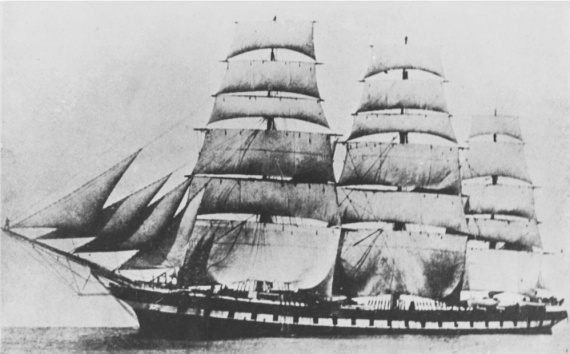
When Sobraon retired from passenger service in 1891, the New South Wales colonial government purchased her and moored her off Cockatoo Island as a reformatory ship for troubled boys, training more than 4,000 of them in maritime skills over two decades. Then, in 1911, the newly formed federal government acquired her for a purpose that would define her legacy.
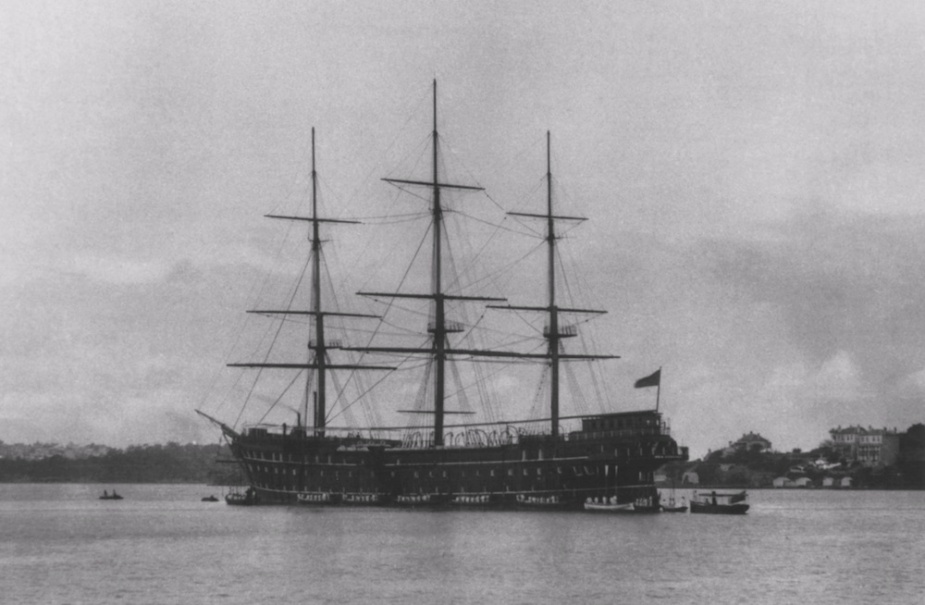
She was refitted, repainted white with yellow masts, and commissioned into the Royal Australian Navy as HMAS Tingira on 25 April 1912, an Anzac Day date that now carries its own layer of meaning. Tingira is an Aboriginal word for “open sea.”
The Cradle of the RAN
Naval historians have long referred to Tingira as the Cradle of the Royal Australian Navy, and with good reason. Moored on a swinging anchor in the middle of Rose Bay, she served as the Navy’s primary training vessel for boys aged 14 and a half to 16 under the Department of the Navy’s boy enlistment scheme. Up to 250 trainees could be accommodated at any one time, though the complement rarely exceeded 200. Between her commissioning and decommissioning in 1927, Tingira trained 3,158 young men for naval service, many of whom saw active duty during the First World War.
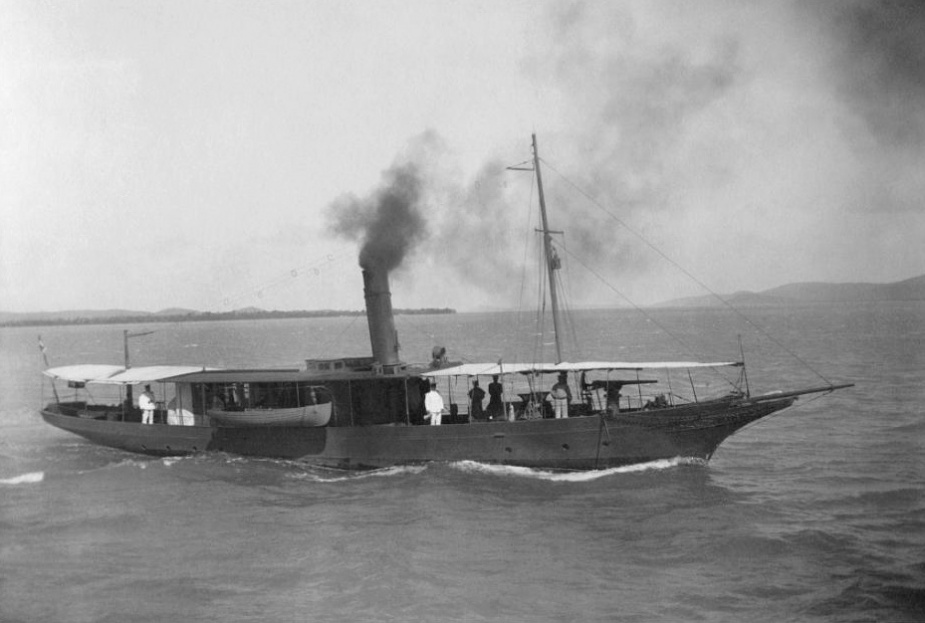
Because the ship itself was permanently moored, a steam yacht tender, HMAS Sleuth, was attached to provide trainees with actual seagoing experience. The combination of classroom and on-water instruction aboard the two vessels gave the RAN a structured pathway for producing capable lower deck sailors during the years when Australia’s naval identity was still being formed.
Tingira was paid off in June 1927 when the Navy changed its recruiting arrangements and the ship became surplus to requirements. She spent years deteriorating in Berry’s Bay, was sold to a private owner who died before putting her to any use, and eventually passed into the hands of those who tried and failed to preserve her as a national relic. Shipbreakers dismantled the vessel in 1941, salvaging her valuable teak and brass for the war effort before disposing of the remaining hull.
A Park That Keeps the Memory Afloat
The memorial park that now bears her name was established in two stages, the first in 1962 and the second completed in 1977, by which point the Tingira Old Boys Association had worked with local authorities to formalise the tribute. A refurbishment in 2004, funded jointly by the Australian Department of Veterans’ Affairs, the Woollahra municipal authority and the Rose Bay RSL Club and Sub-Branch, brought the park to its current form, designed by Jane Irwin Landscape Architects in association with McGregor Westlake Architects.
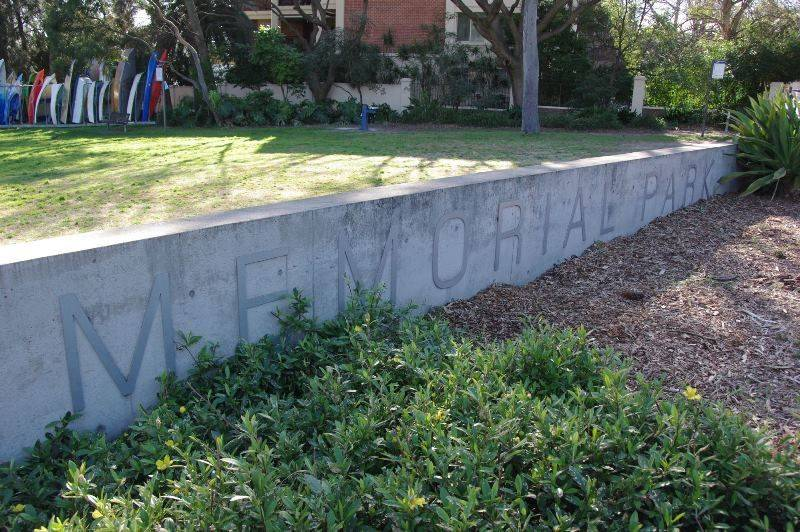
The redesign opened up harbour views framed by existing casuarina stands at the water’s edge and installed a low wall with metal lettering and display panels carrying the ship’s history and plaques honouring trainees.
The park’s connection to Anzac Day runs deeper than most visitors realise. Tingira was commissioned on 25 April 1912, the very date that would, three years later, become etched into Australian memory at Gallipoli. Many of the young men she trained in those early years went on to serve in the war that followed. For communities across the Eastern Suburbs who mark Anzac Day each April, the park on the Rose Bay foreshore is a place where that connection becomes tangible.
Visiting Tingira Memorial Park
Tingira Memorial Park sits on New South Head Road in Rose Bay, with direct access to Rose Bay beach and a foreshore walk that continues east along the harbour. Full details on the park and its facilities are available here.
Published 17-April-2026